

Even a little exercise linked with lower stroke risk in people with afib

Testosterone therapy without evidence of deficiency may boost heart risk

Weight-loss drug may lower risk of heart attacks and infections

What to eat on the DASH diet

Migraine: How it's diagnosed and what that means

Tricep workouts you can do at home

Mindfulness practices to reduce stress and improve focus

Antihistamines may not offer meaningful relief from eczema symptoms

Overweight and taking blood pressure medications: Study finds it's a trend that's working

FDA approves first mRNA-based flu vaccine
Dietary patterns Archive
Articles
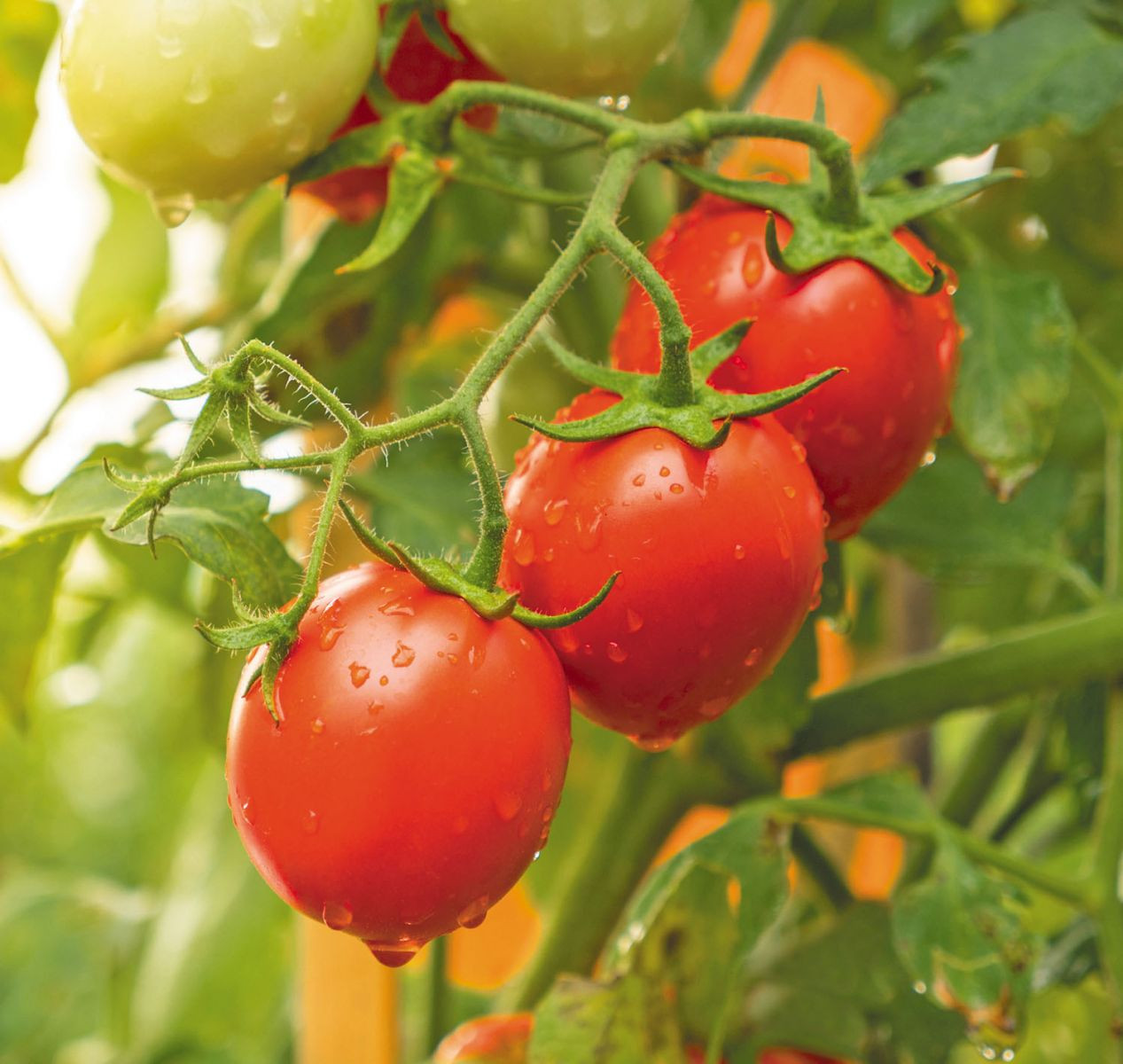
Vegetable of the month: Tomatoes
Image: © Singkham/Getty Images
Vine-ripened, locally grown tomatoes are abundant in farmers' markets in August. Scientifically speaking, these vivid red (and sometimes yellow, brown, purple, or green) orbs are fruits. But the USDA, which issues the Dietary Guidelines for Americans, includes tomatoes in the red-orange vegetable group. Aim for about five to six cups per week of the foods in this group, which also includes carrots, squash, and sweet potatoes.
When good fresh tomatoes aren't available, canned tomatoes are a good substitute, especially in soups, stews, and pasta sauces. Eating tomatoes and tomato products may help lower cholesterol and improve blood vessel function, according to a 2017 article in Atherosclerosis.

Heart-healthy diet linked to bigger brain volume
Research we're watching
Image: © MachineHeadz/Getty Images
The same diet that doctors recommend for dodging heart disease also may help preserve brain tissue, a new study finds.
Researchers scrutinized diet surveys from more than 4,200 people with an average age of 66 and ranked the quality of their diets on a scale of 0 to 14. A score of 14 was healthiest and included lots of fruits and vegetables, whole grains, nuts, dairy, and fish, but limited sugar. The volunteers provided data on other factors that might affect brain size, such as blood pressure, physical activity, and smoking. They also underwent brain scans to measure their brain size.

Getting your five a day
Eating five servings of fruits and vegetables can go a long way to protecting against heart disease and cancer.
Image: © Mypurgatoryyears/Getty Images
We've been told the importance of eating fruits and vegetables ever since childhood, and yet we still tend to ignore this nutritional advice. In fact, a CDC survey found that only 18% of adults eat the recommended five daily servings of fruits and vegetables.
"The main reason older men have trouble reaching this amount is lack of awareness," says Vasanti Malik, a research scientist in the Department of Nutrition of Harvard's T.H. Chan School of Public Health. "They are not always engaged in their nutrition or aware of the impact fruits and vegetables can have on their health."
Are there any health benefits to fish oil?
On call
Image: © BrianAJackson/Getty Images
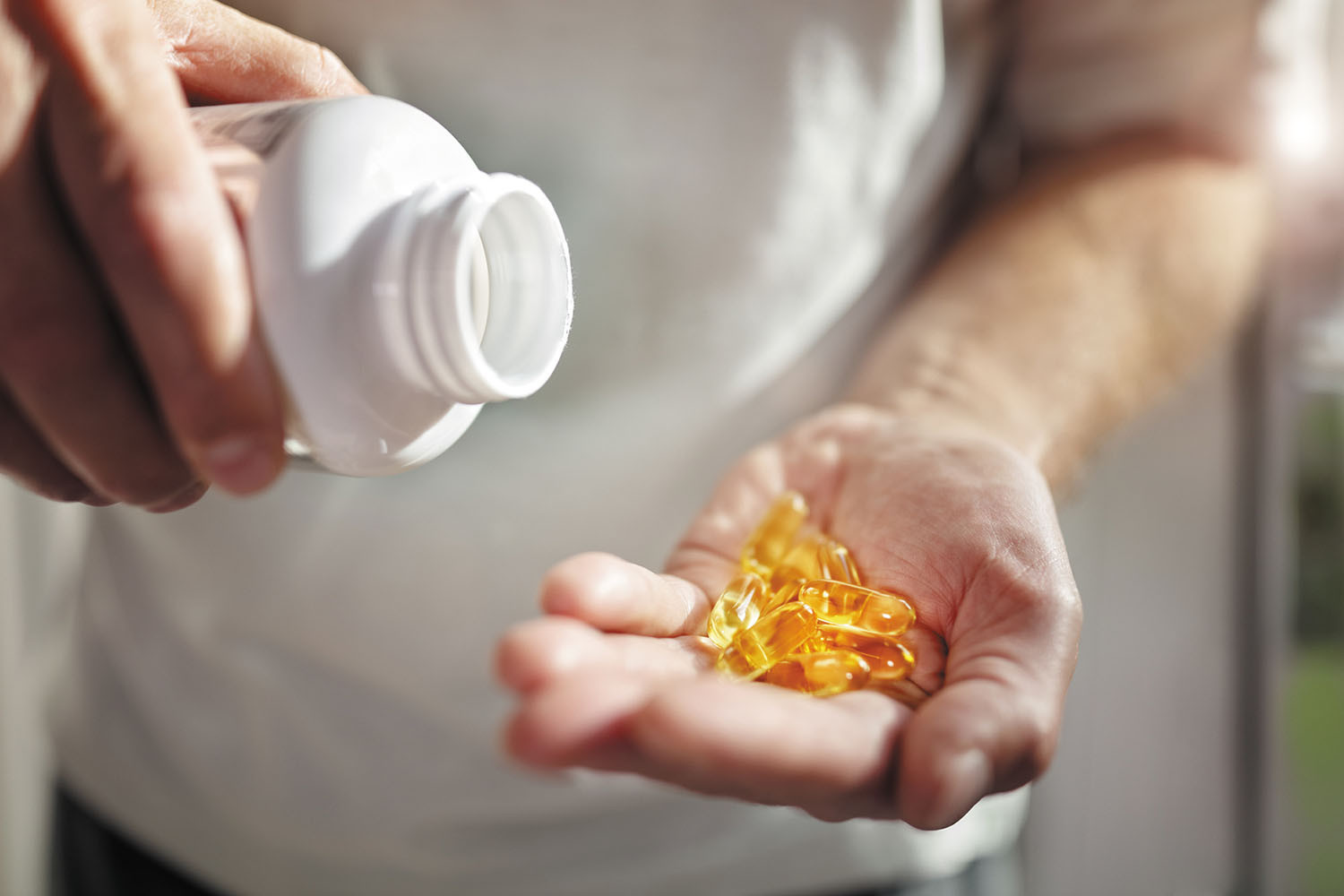
Q. I take fish oil supplements for heart health, but now I hear they aren't helpful. What's the truth?
A. Fish intake remains an important part of a healthy diet, but the enthusiasm for fish oil supplements has been dampened by several recent studies that showed no benefit for a variety of conditions.

Eggs might help your heart, not harm it
In the journals
Image: © bajinda/Getty Images
Two recent studies have found that eggs do not raise the risk of heart disease, and in fact may even protect against it.
The first study, published online May 7, 2018, by The American Journal of Clinical Nutrition, looked at how egg consumption affected 128 people with prediabetes or type 2 diabetes; both conditions put people at a higher risk of heart disease and stroke. For three months, half of the participants ate 12 eggs a week, while the other half ate two eggs or fewer per week. Everyone also followed the same weight-loss diet that avoided saturated fats like butter and included healthier monounsaturated and polyunsaturated fats like avocado and olive oils.
Diet might delay — or hasten — the onset of menopause
How old you are when you go through menopause could be influenced by the foods you eat.
Image: © stepangilev/Getty Images
Could the foods you eat help determine when you start menopause? They might, says a new study published online April 30 by the Journal of Epidemiology and Community Health. Researchers found that women who ate more fish and beans and other legumes started menopause at a later age, while women who ate a diet heavy on refined pasta and rice went through the change earlier.
Why do the results matter?
How old a woman is when she goes through menopause may have implications for her health. Past research has linked certain health risks to menopause that occurs either very early (before age 40) or late (age 55 or older). Going through menopause at an earlier age has been associated with lower bone density and a higher risk for osteoporosis, cardiovascular disease, depression, and — in some instances — premature death.

Eat an egg for breakfast, prevent a stroke?
Research we're watching
Image: © Twomeows_IS/Getty Images
Eating an egg a day may help protect against cardiovascular disease, according to a study published online May 21 by the journal Heart. Researchers found that people who ate an egg every day had an 18% lower risk of dying from cardiovascular disease and a 28% lower risk of experiencing a deadly hemorrhagic stroke, compared with people who didn't eat eggs.
The study included more than 400,000 adults ages 30 to 79. Participants were from 10 survey sites in China. Researchers looked at how often study subjects reported eating eggs and then tracked their health for nearly nine years using registries and other methods.
3 diet changes to help lower cholesterol levels
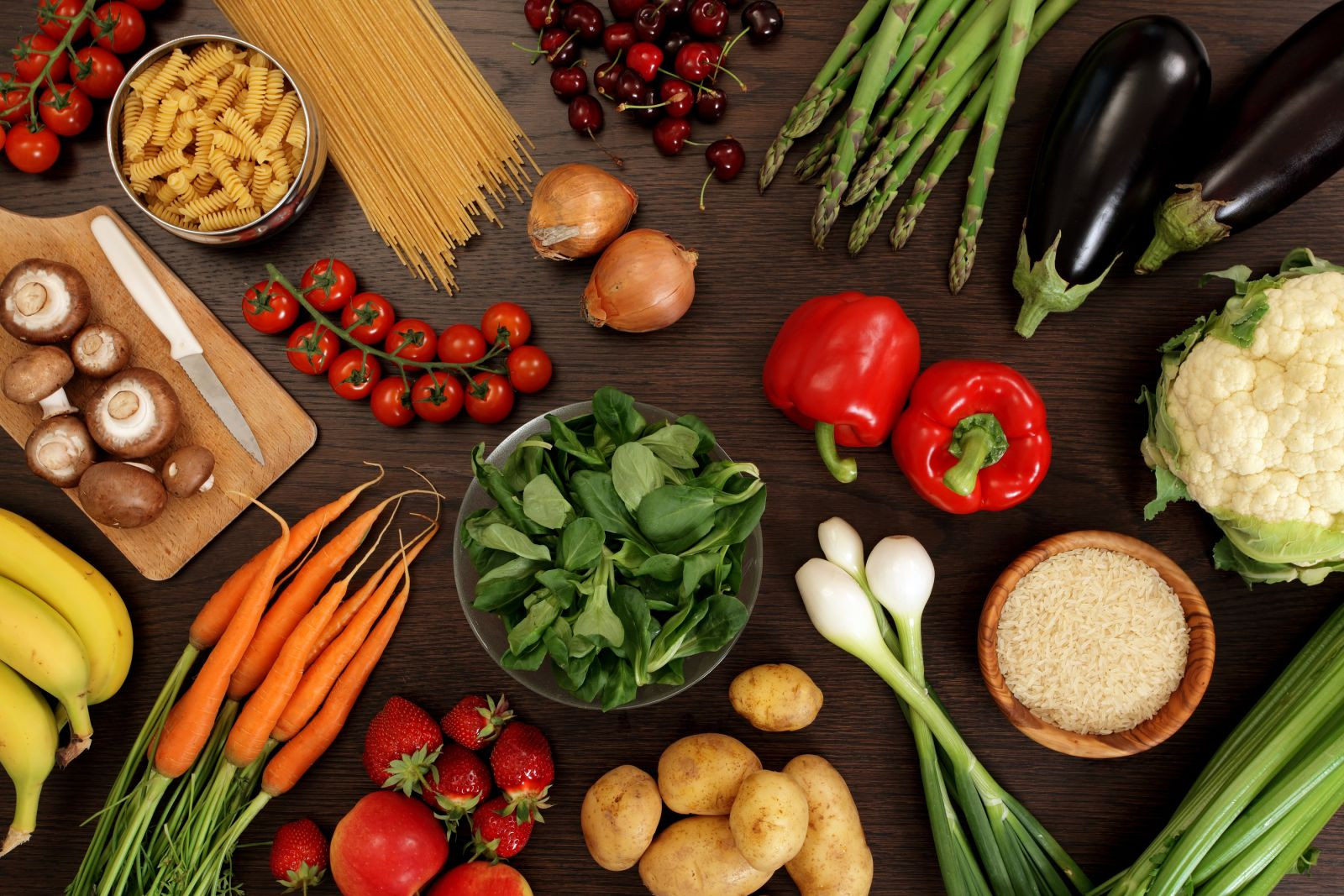
By lowering your blood LDL ("bad") cholesterol level, even if it is normal, you help reduce your chances of having a heart attack. It's especially important if the LDL level is above 130 milligrams per deciliter. For every 10% drop in your cholesterol level, your heart attack risk potentially falls by 20% to 30%.
There are several steps you can take to lower your cholesterol level, like losing weight if needed, being more active, and choosing healthy foods. Here are three simple steps toward a healthier, cholesterol-lowering diet:


Extra protein does not build more muscle
In the journals
Can higher protein intake build more muscle in older men? Not according to a study in the April 2018 JAMA Internal Medicine.
The researchers randomized 92 men, average age 73, into four groups. One group followed a daily diet containing 0.8 grams (g) of protein per kilogram (kg) of body weight, the daily Recommended Dietary Allowance (RDA) for all adults, and a weekly placebo injection; another consumed 1.3 g/kg and the placebo injection; a third consumed the 0.8-g/kg diet, but also received a weekly 100-mg injection of testosterone, and the fourth group ate a 1.3-g/kg diet and got a weekly testosterone injection. (The testosterone was included to see if higher protein increased the hormone's muscle-growing effect.)
Even a little exercise linked with lower stroke risk in people with afib
Testosterone therapy without evidence of deficiency may boost heart risk
Weight-loss drug may lower risk of heart attacks and infections
What to eat on the DASH diet
Migraine: How it's diagnosed and what that means
Tricep workouts you can do at home
Mindfulness practices to reduce stress and improve focus
Antihistamines may not offer meaningful relief from eczema symptoms
Overweight and taking blood pressure medications: Study finds it's a trend that's working
FDA approves first mRNA-based flu vaccine
Free Healthbeat Signup
Get the latest in health news delivered to your inbox!
Sign Up
