

Even a little exercise linked with lower stroke risk in people with afib

Testosterone therapy without evidence of deficiency may boost heart risk

Weight-loss drug may lower risk of heart attacks and infections

What to eat on the DASH diet

Migraine: How it's diagnosed and what that means

Tricep workouts you can do at home

Mindfulness practices to reduce stress and improve focus

Antihistamines may not offer meaningful relief from eczema symptoms

Overweight and taking blood pressure medications: Study finds it's a trend that's working

FDA approves first mRNA-based flu vaccine
Dietary patterns Archive
Articles

How to recognize AI slop in online dietary advice
AI-generated nutrition misinformation, also known as AI slop, is all too easy to find online. While some AI posts can offer helpful dietary guidance, watch for sensational claims, unverified credentials, and cherry-picked research. If health advice sounds too good to be true, it probably is.
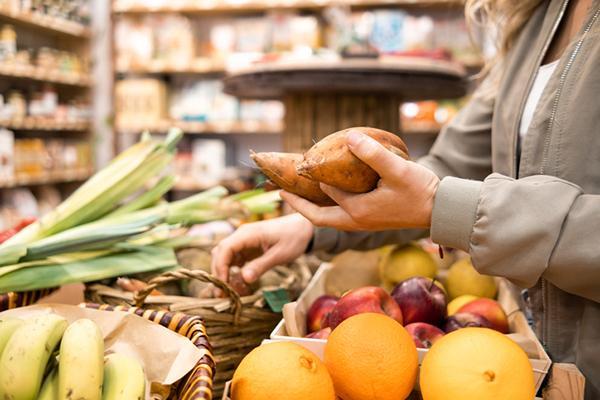
The best foods high in potassium — and why you need them
Most Americans fall short on their intake of potassium, a vital but overlooked nutrient. People can boost the level of potassium in their body by eating more plant foods, especially beans, potatoes, leafy greens, and fruit, and by cutting back on ultra-processed foods.

Jump-start a healthier New Year with four holiday eating tips
The holiday season is full of parties, gatherings, food, and drink — making it an ideal time to adopt healthier eating habits. Doing so can help you manage stress and avoid overeating, and will set you up for success in the new year.
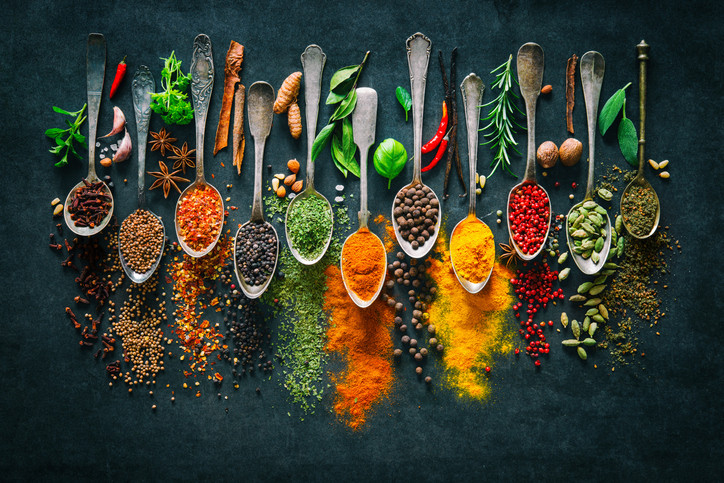
21 spices for healthy holiday foods
The holiday season is probably the hardest time of year to resist rich, indulgent foods, but too many salty, fatty, sugary choices can harm your health. Instead, try adding natural flavor to holiday foods with herbs and spices, many of which contain substances that have a beneficial effect on health.

Easy, delicious summer veggie meals will help stretch your food budget
Summertime offers a great variety of fresh vegetables. Making vegetables the focus of a meal has many health benefits, and anyone can take advantage of this by preparing them in simple yet delicious ways.
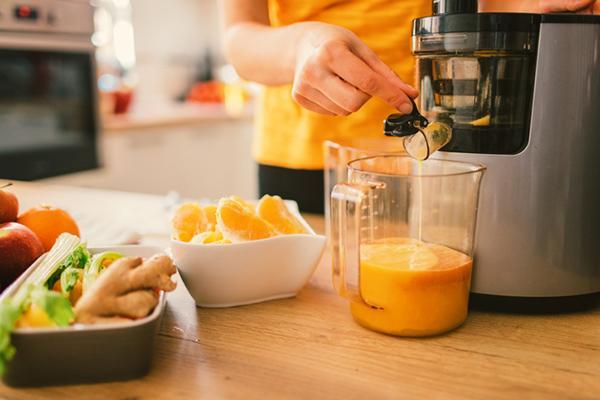
Can juicing help you get more fruits and vegetables?
Juicing can be a helpful way to meet your daily fruit and vegetable goals. While eating whole produce is ideal, a well-made juice offers key nutrients. Aim for mostly vegetables, limit fruit, and choose store-bought juices with no added sugar.


Mouth-watering summer fruits and vegetables to fill your plate
Summer is the perfect time to incorporate more fruits and vegetables into your meals. Packed with health-promoting nutrients, many can be prepared without needing to use your stove or oven. And there are lots of ways to use them besides just making salads.
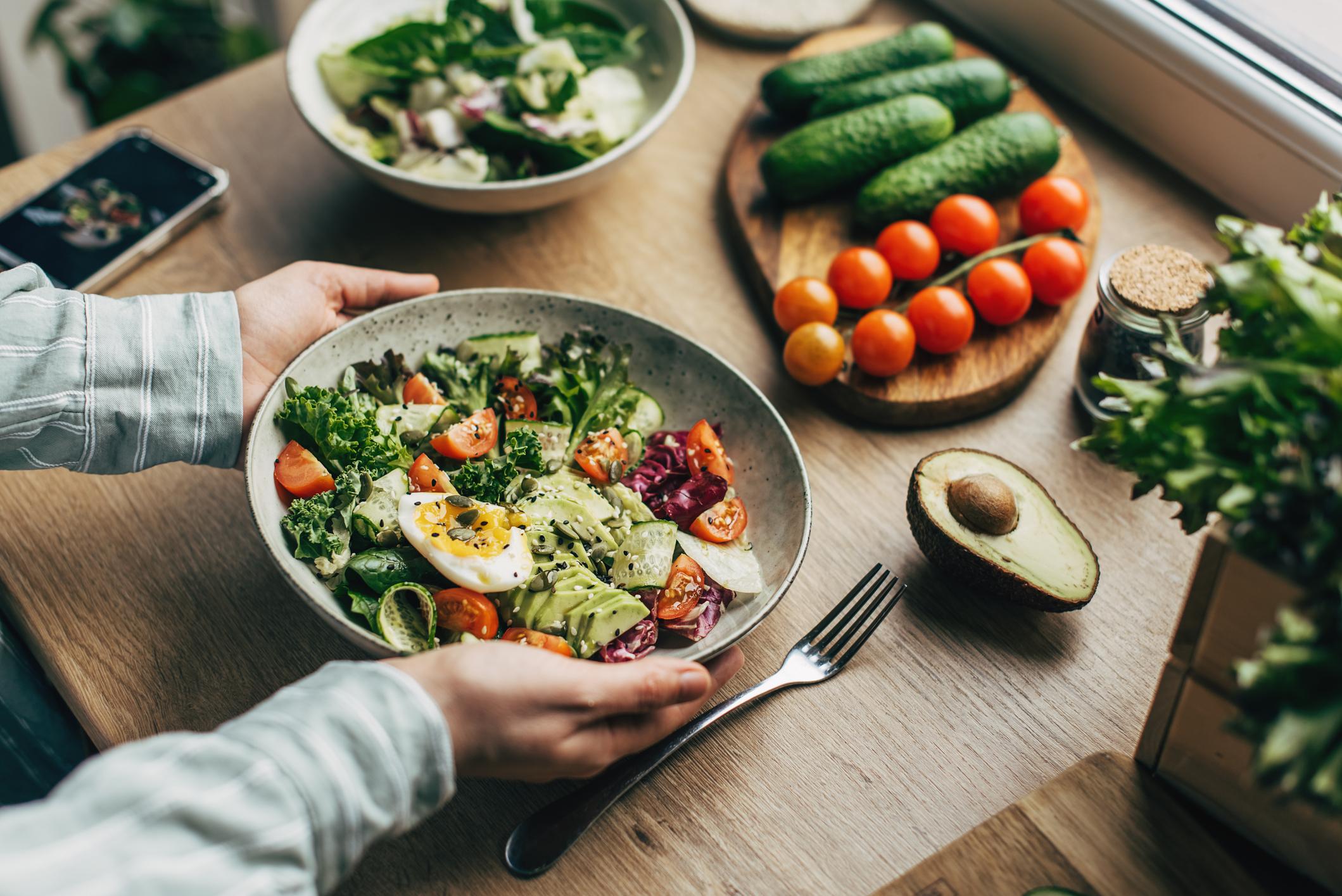
Quiz: When does food contribute to inflammation?
In this quiz, test your knowledge of which foods can nourish your body and help prevent disease, and which foods can play an inflammatory role in the body.
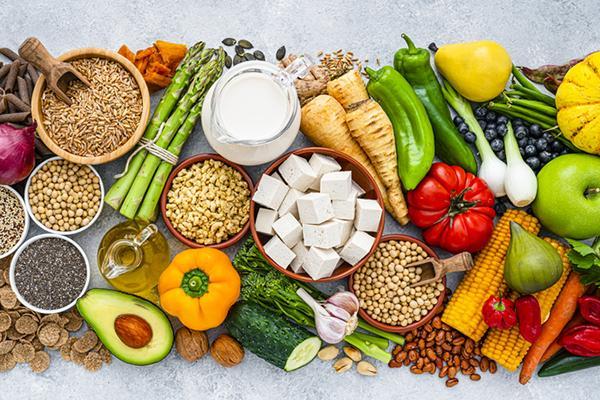
Healthier plant-based diet tied to lower risk of dementia
A 2026 study suggested that people who eat healthier plant-based diets, which prioritize whole grains, fruits, vegetables, and legumes, have a lower risk of developing dementia than people who eat a plant-based diet that includes more refined grains, fruit juices, and added sugars.
Even a little exercise linked with lower stroke risk in people with afib
Testosterone therapy without evidence of deficiency may boost heart risk
Weight-loss drug may lower risk of heart attacks and infections
What to eat on the DASH diet
Migraine: How it's diagnosed and what that means
Tricep workouts you can do at home
Mindfulness practices to reduce stress and improve focus
Antihistamines may not offer meaningful relief from eczema symptoms
Overweight and taking blood pressure medications: Study finds it's a trend that's working
FDA approves first mRNA-based flu vaccine
Free Healthbeat Signup
Get the latest in health news delivered to your inbox!
Sign Up
