

CoQ10: Should you take this popular supplement if you're on a statin?

Microplastics: A hidden health threat?

Oat vs. dairy milk: Nutrition, benefits, and downsides

What is tempeh? Benefits, nutrition, and how to use it

Healing after food poisoning

Children of centenarians may stay healthier and live longer too, study finds

Light exposure at night may raise risk for heart disease

Whole grains may improve several heart risk factors at once

A lumbar belt may help ease low back pain

Signs of pneumonia: Sometimes vague and unexpected
Diet and nutrition Archive
Articles

What are some nutritious breakfast options for busy mornings?
Busy mornings do not have to mean skipping balanced nutrition. These quick food combinations offer satisfying alternatives to breakfast shakes.
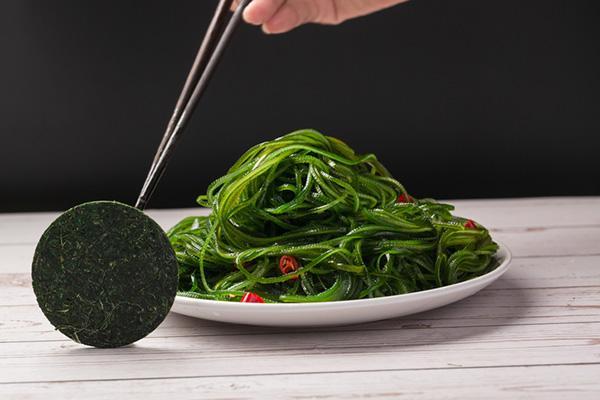
What should people with thyroid nodules know about kelp?
Kelp contains a nutrient that affects thyroid function, making supplement choices important for people with nodules or other thyroid concerns.
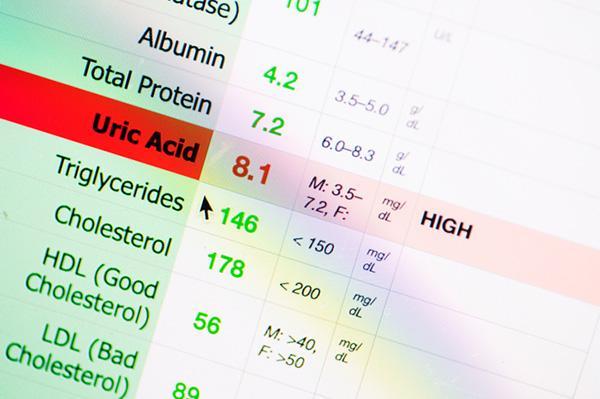
When is treatment needed for high uric acid?
High uric acid doesn’t always mean daily treatment. Several factors, including gout symptoms and kidney health, can help guide the next step.

How can past substance use affect aging?
Past smoking, heavy drinking, and drug use can raise lasting questions about aging. Find out which factors shape future health and longevity.
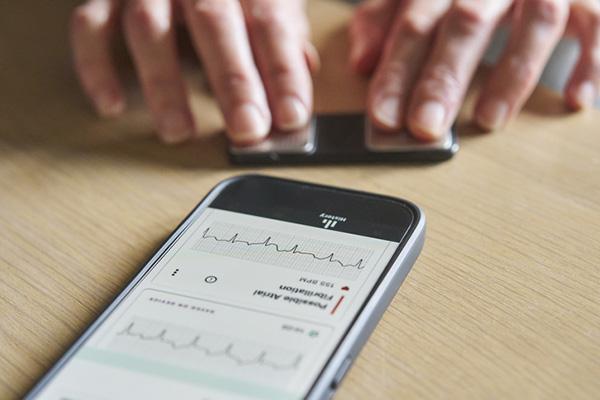
What should you know about atrial fibrillation without heart disease?
A new heart rhythm diagnosis can be unsettling, even when other tests look normal. Find out what to discuss with your doctor next.
Could having both low vitamin B12 and vitamin D indicate a specific health problem?
Having low vitamin B12 and vitamin D may have several explanations, from diet and sun exposure to conditions that affect nutrient absorption.
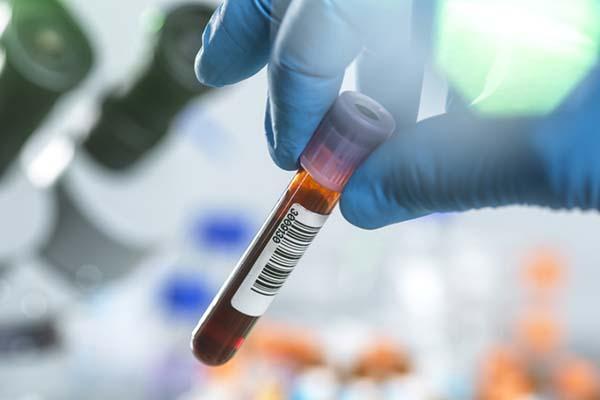
What can cause enlarged red blood cells?
Enlarged red blood cells on a routine blood test can have several explanations. Find out what your results may mean and when follow-up is needed.

Can diet lower triglyceride levels?
A rising triglyceride level can increase risk of damage to the heart and pancreas. Learn which foods to eat and limit to improve your numbers.
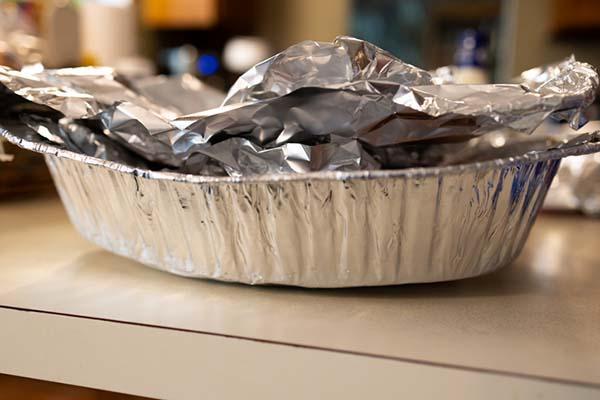
Can ingesting or being exposed to aluminum pose health risks?
Aluminum is common in foods, cookware, and personal-care products, but questions remain about how much exposure or ingestion matters.
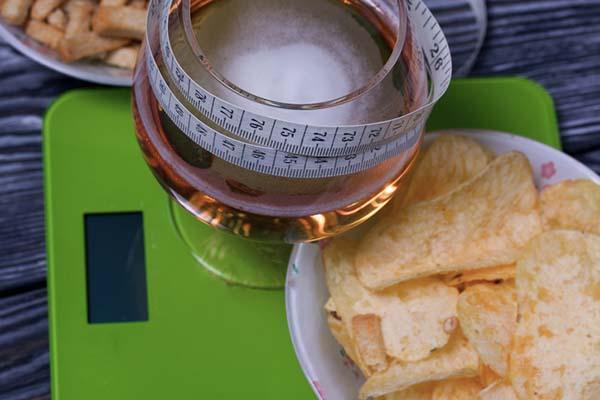
Could your diet be contributing to kidney stones?
Everyday eating and drinking habits may influence kidney stone risk. Explore which foods and beverage choices have the most impact.
CoQ10: Should you take this popular supplement if you're on a statin?
Microplastics: A hidden health threat?
Oat vs. dairy milk: Nutrition, benefits, and downsides
What is tempeh? Benefits, nutrition, and how to use it
Healing after food poisoning
Children of centenarians may stay healthier and live longer too, study finds
Light exposure at night may raise risk for heart disease
Whole grains may improve several heart risk factors at once
A lumbar belt may help ease low back pain
Signs of pneumonia: Sometimes vague and unexpected
Free Healthbeat Signup
Get the latest in health news delivered to your inbox!
Sign Up
