










What should you know about atrial fibrillation without heart disease?
Ask the doctor
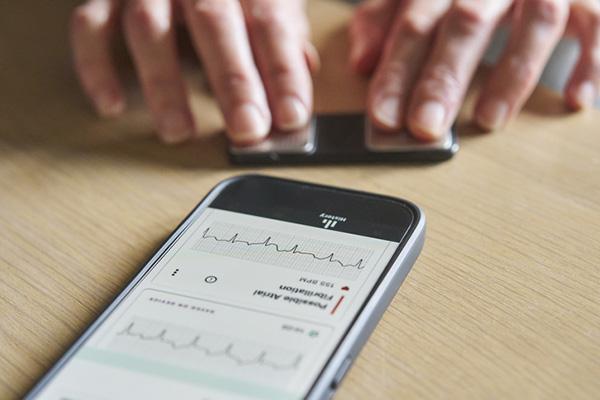
Q. I recently discovered that I have atrial fibrillation. Other than the atrial fibrillation, my EKG, echocardiogram, and blood tests are normal. Should I be concerned?
A. Atrial fibrillation is a type of cardiac arrhythmia (an abnormal heart rate or rhythm). This type causes a rapid and irregular heartbeat. The upper two chambers of the heart (the atria) quiver or "fibrillate" instead of beating normally.
In general, atrial fibrillation is not a dangerous rhythm. Many people have it and have no symptoms. It can be discovered when someone checks the person's pulse.
You likely have lone atrial fibrillation. This term is for people who have the condition but no detectable heart disease. They also don't drink alcohol excessively and do not take any stimulants.
In the past, doctors worried less about lone atrial fibrillation, especially in otherwise healthy younger people. The main risk of this condition is stroke in older people or those with other medical problems. The risk is highest in people over age 75 and in those with high blood pressure, heart failure, and/or diabetes. In younger people without any of these conditions, atrial fibrillation means they have a lower stroke risk, but it's still possible.
However, it's now clear that we should pay more attention to lone atrial fibrillation. The abnormal heart rhythm is associated with future heart failure and heart attack, in addition to the increased risk of stroke.
It sounds like you have had the right tests. Everyone with atrial fibrillation should have an echocardiogram. I would also want to know that you had a blood test to check your thyroid. An overactive thyroid (hyperthyroidism) can cause atrial fibrillation.
Atrial fibrillation should be considered a cardiac risk factor. It's one more reason to pursue a healthy lifestyle:
- Don't smoke.
- Maintain a healthy body weight.
- Limit alcohol to no more than one drink per day, or none at all.
- Eat a heart-healthy diet.
- Stay physically active.
- Keep your blood pressure within the normal range.
- Try to lower your total and LDL cholesterol.
You and your doctor will consider the best options for treatment of the arrhythmia and stroke prevention based on a personal risk assessment.
Image: © Daisy-Daisy/Getty Images
About the Author
Howard E. LeWine, MD, Chief Medical Editor, Harvard Health Publishing; Editorial Advisory Board Member, Harvard Health Publishing
Disclaimer:
As a service to our readers, Harvard Health Publishing provides access to our library of archived content. Please note the date of last review or update on all articles.
No content on this site, regardless of date, should ever be used as a substitute for direct medical advice from your doctor or other qualified clinician.


