

Even a little exercise linked with lower stroke risk in people with afib

Testosterone therapy without evidence of deficiency may boost heart risk

Weight-loss drug may lower risk of heart attacks and infections

What to eat on the DASH diet

Migraine: How it's diagnosed and what that means

Tricep workouts you can do at home

Mindfulness practices to reduce stress and improve focus

Antihistamines may not offer meaningful relief from eczema symptoms

Overweight and taking blood pressure medications: Study finds it's a trend that's working

FDA approves first mRNA-based flu vaccine
Colds and flu Archive
Articles

The inconvenient truth of vaccine refusal
The development of vaccines for many once-fatal illnesses has saved the lives of hundreds of thousands of children in the United States. While some parents may have concerns about the side effects of a vaccine, the decision not to vaccinate a child extends the risk of illness to the larger community.

Zika, pregnancy, and winter travel: Many unknowns, and a cautious message
If you’re planning an escape from the dreary winter weather, and you’re pregnant or trying to get pregnant, you may want to plan your destination carefully. There’s still a lot we don’t know about Zika virus — which is now widespread in several favorite tropical destinations, such as the Caribbean — and its potential pregnancy-related complications. Until we know more, it’s better to be safe and follow the precautions we’ve listed here.

Hold off before taking antibiotics for respiratory infections, study suggests
A Spanish clinical trial of 400 people—two-thirds of whom were women—has indicated that waiting to fill an antibiotic prescription may be a good idea for people with sniffles, coughs, sore throats, and other respiratory symptoms.
Researchers recruited volunteers who sought care for respiratory symptoms in primary care clinics throughout Spain. The volunteers were randomly assigned to four equal groups. One was given antibiotics and told to take them immediately. Another was sent home without antibiotics but told to return to the clinic if they hadn't improved after several days. The two remaining groups were told to wait to take antibiotics—one was asked to return to the clinic to get their mediation after three days; the other group was given an antibiotic, but told to take the medication only if their symptoms hadn't improved after five to 10 days.

Don’t shrug off shingles
Shingles, an itchy and painful rash that occurs when the chickenpox virus reactivates in your body, shouldn’t be written off as just a nuisance. If it’s not treated promptly with an antiviral drug, it can cause a host of serious long-term complications. Fortunately, there’s a vaccine that can slash your risk of shingles by half, and another, even more effective one in the pipeline.

What the rise of Zika (and other viruses) might tell us about our planet
Zika, a virus that was almost unknown just a short time ago, is now certain to spread to almost every country in the Americas. But why have the U.S. and other countries become more vulnerable to the threat of exotic pathogens? There currently aren’t enough data to make any solid connections, but many experts agree that the rise of global trade and travel, climate change, and ecosystem changes are all major factors.

What you need to know about Zika virus
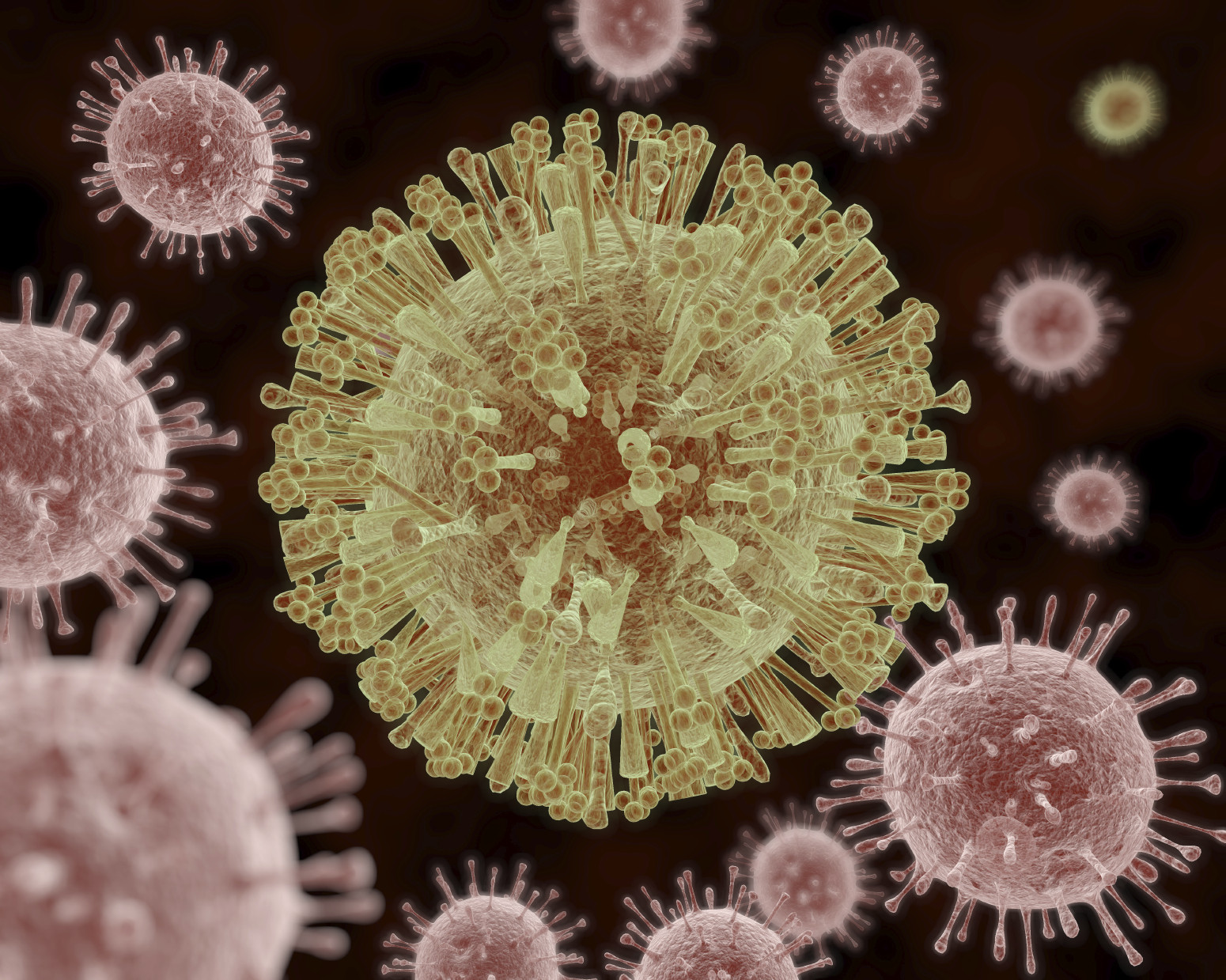
Zika, a formerly rare and obscure virus, has recently spread throughout the Pacific islands and the Americas. Although Zika virus rarely makes people seriously ill, it’s been implicated in a huge rise in the number of birth defects in babies born to mothers who’ve had Zika. Although its impact in the U.S. is expected to be much less severe than in warmer climates, we’ve listed some tips to reduce your exposure to the type of mosquito that carries Zika.

What you should know about antiviral drugs
Flu season still has a few months left, and it is not too late to get a flu shot if you have not done so already.
Image: Thinkstock
They may help reduce symptoms of the flu, but they're not for everyone.

In the journals: Flu-fighting drugs don't prevent spread to others
If you start taking an antiviral medication after catching the flu, will it keep your family members from catching the bug, too? Maybe not, according to a study in The Journal of Infectious Diseases.
The prescription antivirals oseltamivir (Tamiflu) and zanamivir (Relenza) can cut a case of the flu short by suppressing the virus's overpowering urge to copy itself inside you. Less viral "shedding" by the body could, hypothetically, make it less likely that people who live in the same house will also get sick.

Kids and flu shots: Two common myths
“Last time I got the flu shot, it actually made me sick!” “My kids are perfectly healthy. They’ll be fine.” You’ve probably heard a version of these two before. These flu shot myths are so persistent that they prevent countless numbers of people from getting vaccinated each year. We’ve debunked these claims here to help you make your flu shot decision based on facts — not myths.
Even a little exercise linked with lower stroke risk in people with afib
Testosterone therapy without evidence of deficiency may boost heart risk
Weight-loss drug may lower risk of heart attacks and infections
What to eat on the DASH diet
Migraine: How it's diagnosed and what that means
Tricep workouts you can do at home
Mindfulness practices to reduce stress and improve focus
Antihistamines may not offer meaningful relief from eczema symptoms
Overweight and taking blood pressure medications: Study finds it's a trend that's working
FDA approves first mRNA-based flu vaccine
Free Healthbeat Signup
Get the latest in health news delivered to your inbox!
Sign Up
