

Even a little exercise linked with lower stroke risk in people with afib

Testosterone therapy without evidence of deficiency may boost heart risk

Weight-loss drug may lower risk of heart attacks and infections

What to eat on the DASH diet

Migraine: How it's diagnosed and what that means

Tricep workouts you can do at home

Mindfulness practices to reduce stress and improve focus

Antihistamines may not offer meaningful relief from eczema symptoms

Overweight and taking blood pressure medications: Study finds it's a trend that's working

FDA approves first mRNA-based flu vaccine
Colds and flu Archive
Articles
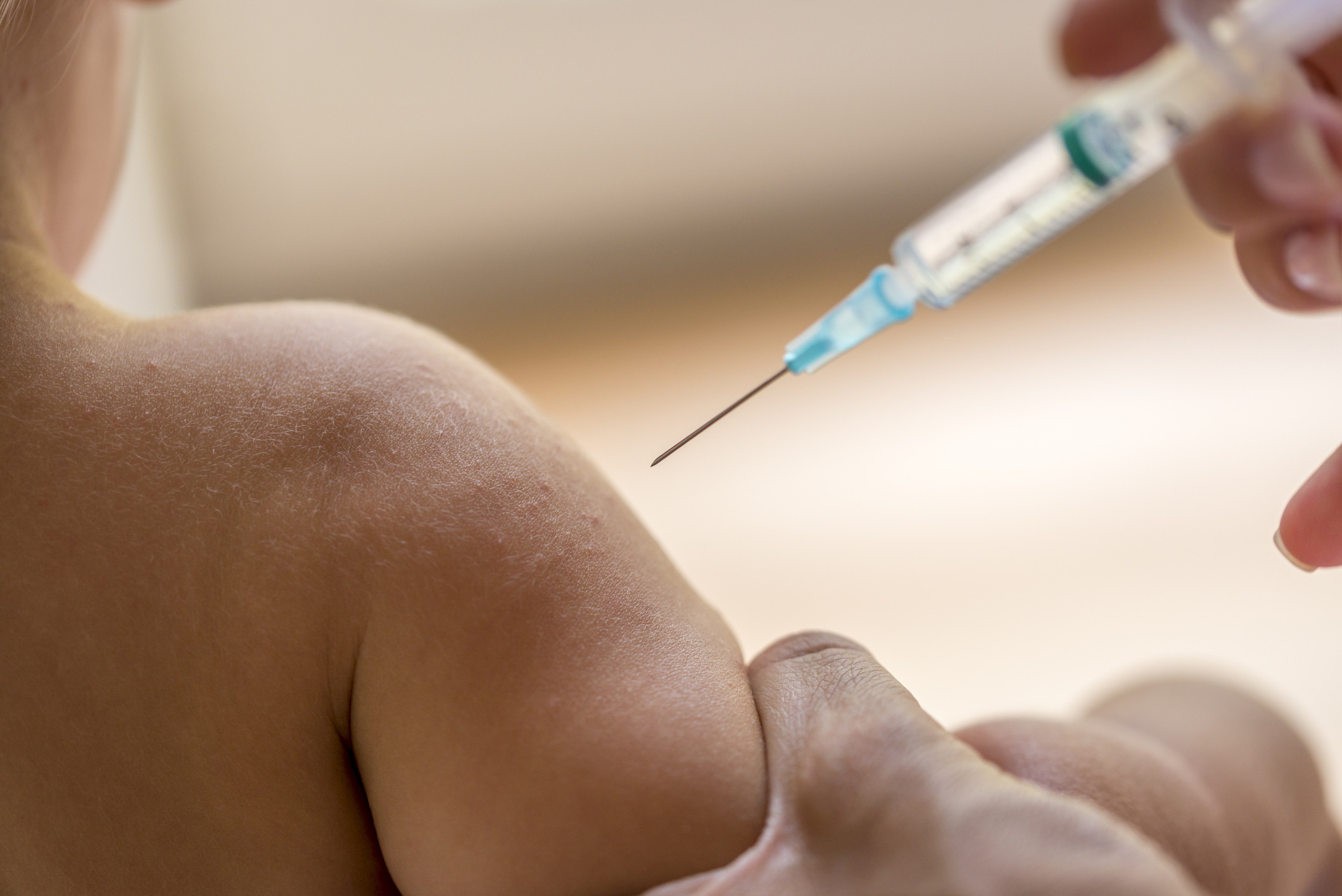
Why vaccines are important for our country’s financial health, too
Vaccinating babies and toddlers prevents many illnesses, but it also helps the avoid high costs associated with treating those illnesses, helps reduce sick time taken by parents, and contributes to greater immunity in a population.

H. pylori, a true stomach “bug”: Who should doctors test and treat?
A stomach infection of H. pylori bacteria can cause ulcers, but not everyone with the infection shows symptoms and the treatment process can be challenging, so only people with certain conditions need to be tested for it.
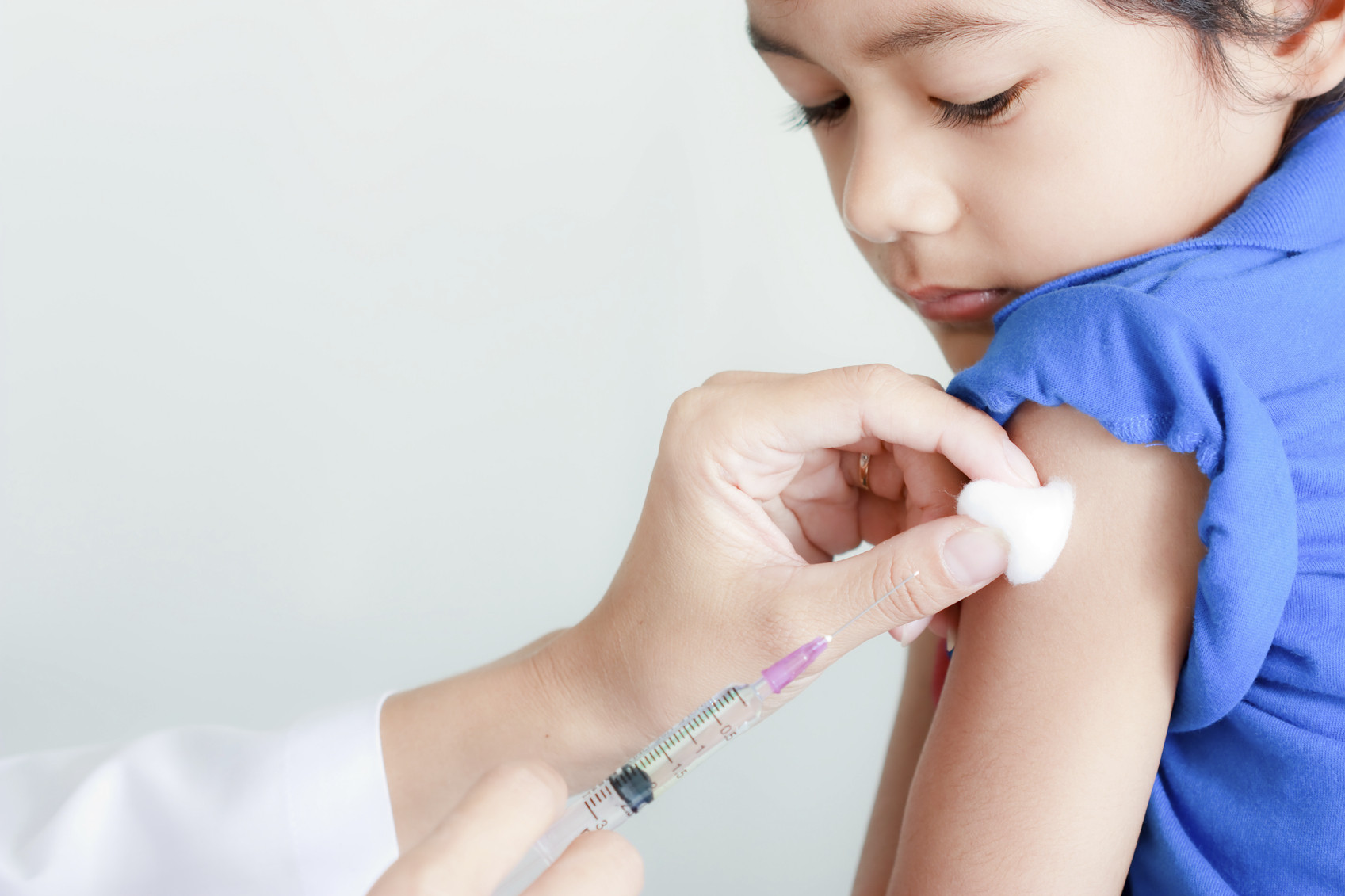
The flu shot saves children’s lives
Even though this year’s flu season is just about over, parents should be thinking about protecting their children next winter. Despite short-term reactions in some people, the flu shot is safe for nearly everyone.

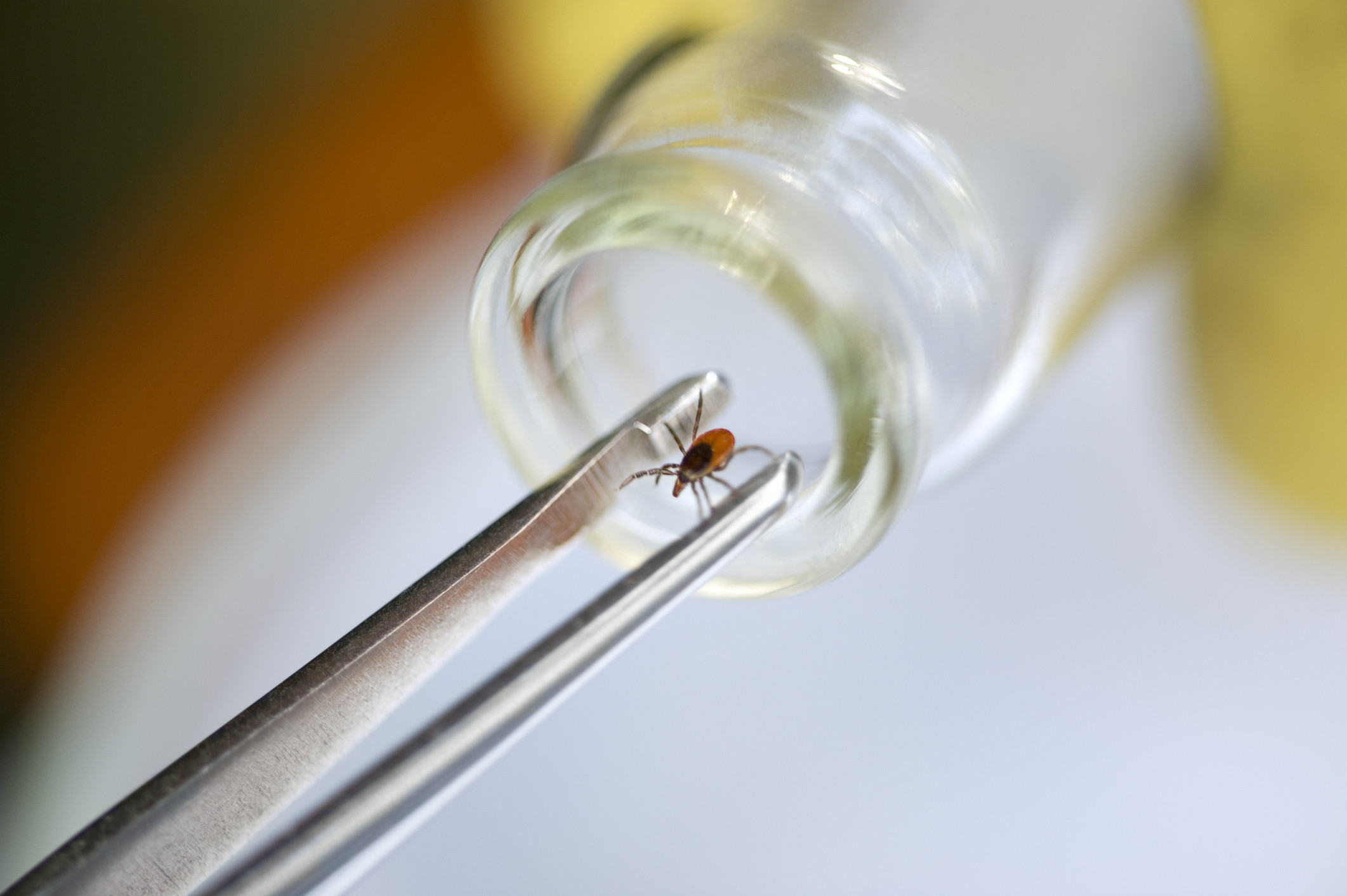
Finding the tick in time could save you from Lyme!
Outdoor activities can be spoiled by getting Lyme disease from a tick bite. Know what to do to protect yourself (and your pets) from this infection and its unpleasant symptoms, as well as what to do if you have already been bitten. If you do end up with a tick “on board” it is important to remove it correctly and know when to call your doctor.

Charles Darwin, Chagas’ disease, and the killer kissing bugs of California
An insect known as the kissing bug has the ability to pass along Chagas’ disease to unsuspecting people. While it affects more people in Latin America than in this country, this parasitic disease can still be a problem in the southwestern United States. Most cases of Chagas’ disease pass without much incidence, but it can cause lasting problems. The rates of Chagas’ disease could go up with climate change, and more research is definitely needed. Charles Darwin may be one of the first “researchers” on the subject, but he’s not to be the last.
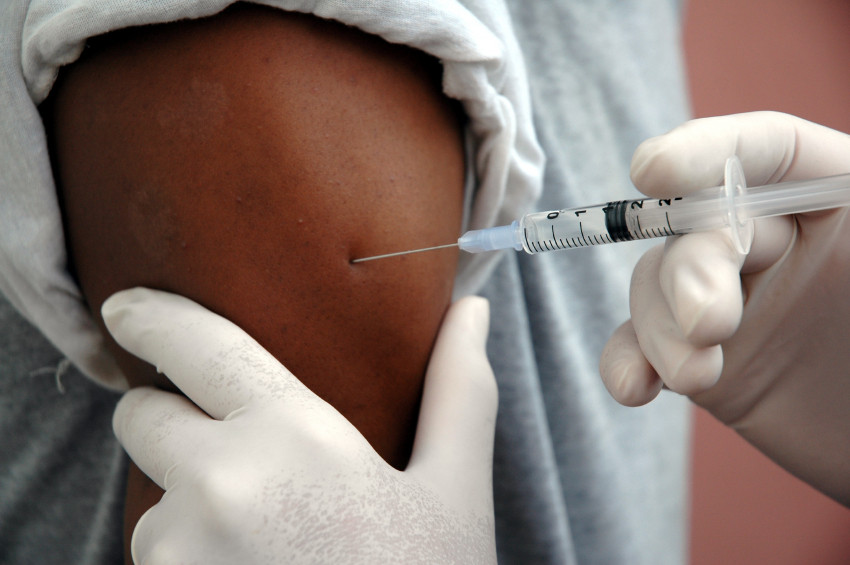
2017 update to the immunization schedule for kids
The CDC and the AAP update their vaccine recommendations every year, and here are the latest changes. These updates show just how important it is to stay on top of research and help increase the effectiveness of each vaccine. The schedule for routine immunizations and catching up kids who get behind can be found on the CDC and AAP websites if you’d like more information.

Respiratory tract infection - Is it contagious?
"Stay away from me! I don't want to get sick, too." Most of us have had to utter those words to a family member, friend, or colleague who was sneezing or coughing incessantly. But how do we know how great the chances of catching someone's cold or other illness really are? A medical review published in the New England Journal of Medicine tells us when to exercise concern over eight respiratory tract infections.
Illness(Infectious agent) | How it gets transmitted | Places of highest risk | Percent risk of infection |
Bronchiolitis (Respiratory Syncytial Virus, RSV) | Direct contact with ill person, large-droplets from coughs or sneezes, contact with tissues, linens, or other surfaces holding the virus | Homes, day-care centers | In day-care centers, 100% of exposed children become ill, previous infection somewhat lowers the risk |
Flu (Influenza viruses) | Direct contact with ill person, large- and tiny-droplets from coughs or sneezes | Homes, schools, bars, dormitories, areas with poor ventilation or recirculated air | 20%-60% from a family member, only half of those infected will have symptoms of influenza |
The common cold (Rhinovirus) | Direct contact with ill person, large-droplets from coughs or sneezes, contact with tissues, linens, or other surfaces holding the virus | Homes, dormitories | 66% from a family member |
Tuberculosis | Tiny-droplets from coughs or sneezes | Homes, bars, dormitories, nursing homes, areas with poor ventilation | 25%-50% with close contact with a person with active disease, prolonged exposure is usually required |
Upper respiratory illness (Adenoviruses) | Direct contact with ill person, large- and tiny-droplets from coughs or sneezes | Camps, schools, military camps | 10% of those exposed may become ill, 40% among children, many infected individuals show no symptoms and infection leads to immunity from future infection |
Strep throat, scarlet fever (Group A Strep) | Direct contact with ill person, large-droplets from coughs or sneezes | Homes | 10% from a family member |
Bacterial meningitis (Neisseria meningitides) | Direct contact with ill person, large-droplets from coughs or sneezes | Homes, schools, camps | 2%-3% for a child whose sibling has active illness, 0.2%-0.4% for household contacts of the ill child, more than 95% of the time a second case of the disease does not follow a first. |
Pneumococcal pneumonia (Streptococcus pneumoniae) | Direct contact with ill person, large-droplets from coughs or sneezes | Day-care centers, homeless shelters, camps, prisons, nursing homes | Generally not regarded as contagious, risk of infection depends on one's general health |

Even a little exercise linked with lower stroke risk in people with afib
Testosterone therapy without evidence of deficiency may boost heart risk
Weight-loss drug may lower risk of heart attacks and infections
What to eat on the DASH diet
Migraine: How it's diagnosed and what that means
Tricep workouts you can do at home
Mindfulness practices to reduce stress and improve focus
Antihistamines may not offer meaningful relief from eczema symptoms
Overweight and taking blood pressure medications: Study finds it's a trend that's working
FDA approves first mRNA-based flu vaccine
Free Healthbeat Signup
Get the latest in health news delivered to your inbox!
Sign Up
