

Harvard study: Healthier fats linked to longer life after prostate cancer diagnosis

Shingrix shingles vaccine linked with lower heart disease risks

Estrogen-only hormone therapy tied to lower dementia risk

Should you have a hysterectomy?

Stair climbing may significantly lower cardiovascular risks

Why do I sweat so much?

Walking pneumonia: The "mild" illness that can still pack a punch

What causes knee pain: How doctors make a diagnosis
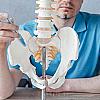
Sacroiliac joint pain: Causes, symptoms, and exercises that help

Where you carry excess weight matters in predicting heart disease risk
Cognitive health and memory Archive
Articles


Health care should improve your health, right?
Modern medicine offers ever-expanding ways to heal and prevent disease, but it's also true that health care can cause harm. Some harms are preventable while others are much harder to control. So how can you reduce your chances of being harmed?


Can you become a "super-ager"?
Super-agers are individuals known to maintain peak mental prowess well into their 90s and avoid dementia and Alzheimer's disease. While genetics play a big part in super-agers' cognitive health, adopting healthy lifestyle habits also contributes, and other people might be able to improve their brain health in the same way. These habits include exercising regularly, following a plant-based diet, being social, adopting mentally challenging activities, and getting adequate sleep.

Hot weather tied to increased odds of stroke
A 2024 study suggests that exposure to high temperatures may increase the risk of an ischemic stroke. High temperatures may trigger dehydration, which can make the blood more viscous and more likely to clot.

Should I get the shingles vaccine?
The shingles vaccine, Shingrix, can trigger side effects such as a sore arm, achiness, fatigue, and fever. But Shingrix is highly effective at preventing painful shingles rashes and a complication called postherpetic neuralgia, which involves long-lasting nerve pain.

Rethinking your morning coffee
Coffee and other caffeine sources can interact with many common drugs, changing the way they're absorbed, distributed through the body, processed, and excreted. Coffee (even decaf) makes stomach contents more acidic, accounting for some drug interactions, but caffeine is mostly the cause. Medications vulnerable to coffee or caffeine's effects include those for cold or allergy, depression, high blood pressure, asthma, osteoporosis, anemia, Alzheimer's disease, thyroid problems, and insomnia. Drinking coffee and taking medications at separate times is advised.

Protect your eyes when playing pickleball
A 2023 report warns that pickleball and other racquet sports can expose older adults to the risk of eye injuries, but wearing protective, shatterproof eyewear when playing can offer a layer of safety.

The perception of pain
Most people experience occasional acute musculoskeletal pain as part of daily living, such as an injury caused by exercising or a minor household accident. Acute pain is short-term and often becomes manageable with home remedies and over-the-counter medication. However, when symptoms persist there is greater chance that it will become chronic pain, which lasts two to three months or longer. That's when medical advice is needed.

Time to stop active surveillance?
Active surveillance (AS) is the most common choice for men facing a diagnosis of low-risk prostate cancer, in which the tumor is confined to the prostate gland and unlikely to grow or spread. Men can potentially continue AS indefinitely until their condition changes. There are situations in which they should move to treatment because the cancer has become more aggressive. Or they may be ready to stop if there has been no cancer progression or they no longer wish to continue with the regular monitoring and testing of AS.
Harvard study: Healthier fats linked to longer life after prostate cancer diagnosis
Shingrix shingles vaccine linked with lower heart disease risks
Estrogen-only hormone therapy tied to lower dementia risk
Should you have a hysterectomy?
Stair climbing may significantly lower cardiovascular risks
Why do I sweat so much?
Walking pneumonia: The "mild" illness that can still pack a punch
What causes knee pain: How doctors make a diagnosis
Sacroiliac joint pain: Causes, symptoms, and exercises that help
Where you carry excess weight matters in predicting heart disease risk
Free Healthbeat Signup
Get the latest in health news delivered to your inbox!
Sign Up
