

CoQ10: Should you take this popular supplement if you're on a statin?

Microplastics: A hidden health threat?

Oat vs. dairy milk: Nutrition, benefits, and downsides

What is tempeh? Benefits, nutrition, and how to use it

Healing after food poisoning

Children of centenarians may stay healthier and live longer too, study finds

Light exposure at night may raise risk for heart disease

A lumbar belt may help ease low back pain

Whole grains may improve several heart risk factors at once

Signs of pneumonia: Sometimes vague and unexpected
Caregiving Archive
Articles

Are you resistant to meditation?
Some people find it difficult to meditate, perhaps due to inexperience, stress, or chronic pain. To overcome meditation resistance, it helps to take a meditation class or work with a meditation coach; use a meditation app; meditate in a setting free of interruption; meditate at the same time each day, so it becomes part of a daily routine; and try various meditation styles, such as Transcendental Meditation, mindfulness meditation, or guided meditation, to see which one is most comfortable.

Breathe better after a chest cold, flu, pneumonia, or COVID
Sometimes mucus secretions in the lungs can persist after someone starts to get better from a chest cold, flu, pneumonia, or COVID. To cope with the problem, experts recommend two approaches. One is doing exercises that clear the lungs, such as a series of breaths and coughs that dislodges mucus. The other approach is doing exercises that strengthen respiratory muscles. An example is diaphragmatic breathing, a type of deep breathing that relies on the diaphragm muscle located below the lungs.

Fear of falling: Do you have an emergency plan?
Because falls are a serious risk for people ages 65 and older, it's important to have an emergency plan in place. The plan should include a trusted contact who'll be able to help in the event of a fall, and an understanding of when to call 911 versus the doctor's office. It would also be beneficial to have a medical alert system that summons emergency contacts and 911 at the touch of a button. And it would help to consider which resources would be needed if a fall results in a long recuperation.


Midlife ADHD? Coping strategies that can help
When ADHD persists through early adulthood into middle age, it presents many of the same challenges it does in childhood, but with added pressures from the busier pace of life and expectations from work and family. Fortunately there are strategies that can help you navigate this condition.

Color-changing eye drops: Are they safe?
Eye drops that claim to change a person's eye color are being promoted online, and the ability to do this may sound tempting. But are these products safe? The answer is a hard no according to the American Academy of Ophthalmology.


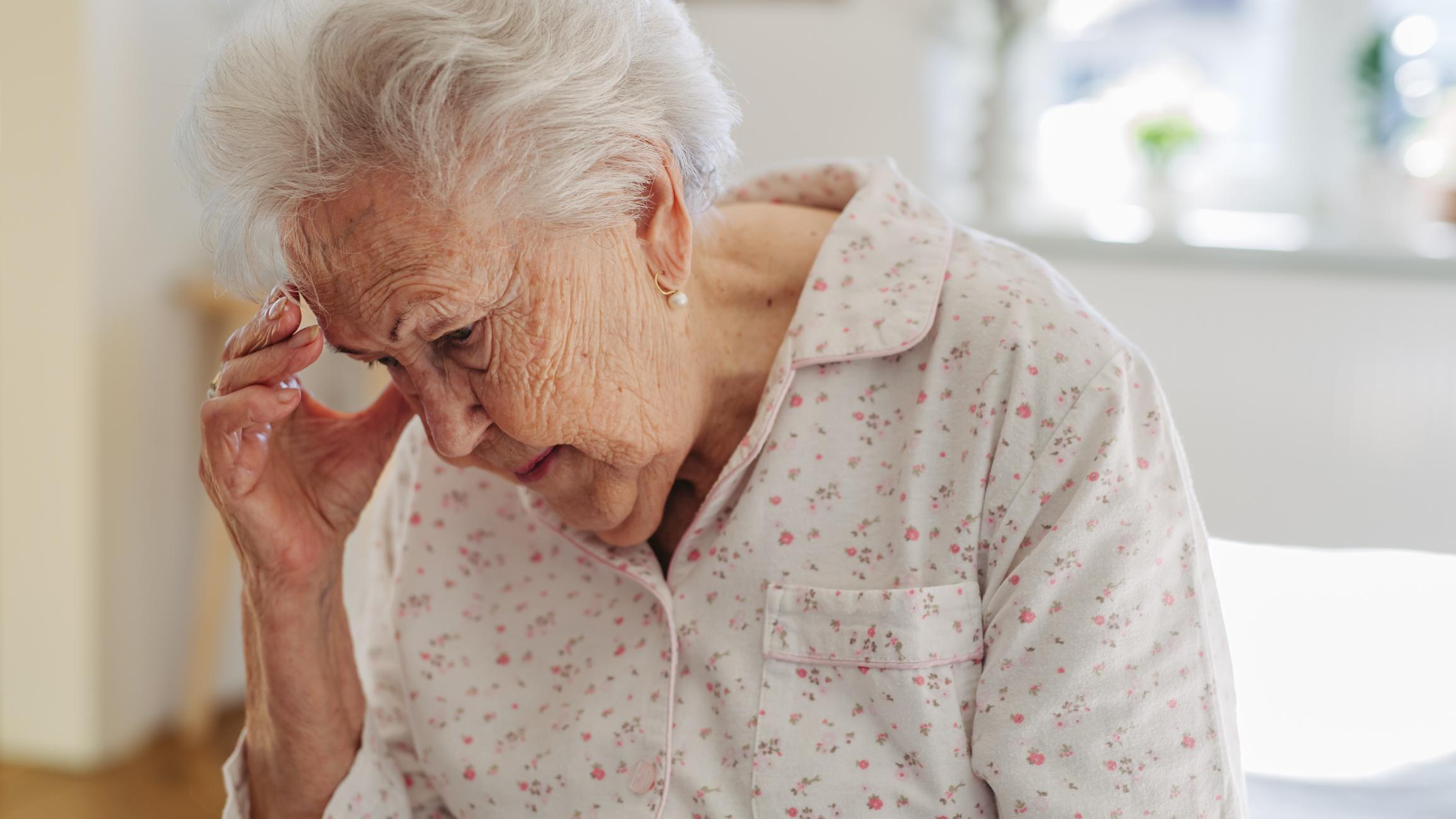

Gratitude linked to longer life and fewer heart-related deaths
A 2024 study suggests that older women with higher scores on tests to assess gratitude may live longer than those with lower scores. Most of this benefit seems to come from preventing deaths from heart disease.
CoQ10: Should you take this popular supplement if you're on a statin?
Microplastics: A hidden health threat?
Oat vs. dairy milk: Nutrition, benefits, and downsides
What is tempeh? Benefits, nutrition, and how to use it
Healing after food poisoning
Children of centenarians may stay healthier and live longer too, study finds
Light exposure at night may raise risk for heart disease
A lumbar belt may help ease low back pain
Whole grains may improve several heart risk factors at once
Signs of pneumonia: Sometimes vague and unexpected
Free Healthbeat Signup
Get the latest in health news delivered to your inbox!
Sign Up
