

CoQ10: Should you take this popular supplement if you're on a statin?

Microplastics: A hidden health threat?

Oat vs. dairy milk: Nutrition, benefits, and downsides

What is tempeh? Benefits, nutrition, and how to use it

Healing after food poisoning

Children of centenarians may stay healthier and live longer too, study finds

Light exposure at night may raise risk for heart disease

A lumbar belt may help ease low back pain

Whole grains may improve several heart risk factors at once

Signs of pneumonia: Sometimes vague and unexpected
Caregiving Archive
Articles

Germanwings Flight 9525 shows the limits of predicting human violence
The tragic story of copilot Andreas Lubitz, the man who apparently crashed Germanwings flight 9525 into the Alps in an act of suicide and murder, demonstrates the opaqueness of mental illness. It is difficult to know when a person is struggling with private psychological and emotional pain that might lead to dangerous or destructive behavior. All of us tend to keep our thoughts, especially our most disturbing ones, to ourselves. Even when encouraged to speak those thoughts aloud — to a mental health professional, for example — it is very difficult to do so. This tragedy will likely spark calls for increased scrutiny of pilots. That’s not necessarily a bad thing, but it could lead to the unintended and undesirable consequence that pilots will become even more wary of seeking help. To honor the lives lost will require policies that protect the public while not being punitive to pilots.

3 ways to manage allergies
Allergies can cause great misery. Luckily, there are options to help manage symptoms and continue doing the things you enjoy. The goal is to find the treatment that best suits your allergies, your lifestyle, and your wallet. Here are three of the most common ways to find relief from allergy symptoms.
Antihistamines
These medications are the mainstay for treating the sneezing, runny nose, and itchy eyes that come with allergies. Antihistamines also relieve hives and other symptoms of some food allergies.
Many people who suffer from hay fever (seasonal allergic rhinitis) are familiar with the older antihistamines such as diphenhydramine (Benadryl) and chlorpheniramine (Chlor-Trimeton). While these drugs work well, they leave many people feeling groggy, sleepy, or just "out of it." Thankfully, the newer generation of antihistamines, including cetirizine (Zyrtec), desloratadine (Clarinex), fexofenadine (Allegra), and loratadine (Claritin), are far less likely to cause drowsiness at recommended doses. Their effects are also longer lasting, so usually you need to take them only once a day instead of every four to six hours.

Core workout can cause muscle soreness
Many popular workouts that aim to strengthen your arms, legs, and abs give short shrift to many of the muscles that form your body's core (the group of muscles that form the sturdy central link connecting your upper and lower body). Strong core muscles are essential to improving performance in almost any sport — and are the secret to sidestepping debilitating back pain.
If you haven't been working your core muscles regularly — or if you challenge yourself with a new set of exercises — expect to feel a little soreness as you get used to your new routine.

Editorial calls for more research on link between football and brain damage
Is brain damage an inevitable consequence of American football, an avoidable risk of it, or neither? An editorial published yesterday in the medical journal BMJ poses those provocative questions. Chad Asplund, director of sports medicine at Georgia Regents University, and Thomas Best, professor and chair of sports medicine at Ohio State University, offer an overview of the unresolved connection between playing football and chronic traumatic encephalopathy, a type of gradually worsening brain damage caused by repeated mild brain injuries or concussions. The big question is whether playing football causes chronic traumatic encephalopathy or whether some people who play football already at higher risk for developing it. The Football Players Health Study at Harvard University hopes to provide a solid answer to that and other health issues that affect professional football players.

Ask the doctor: Safe driving and aging
Q. When is it time to stop driving? My kids worry that my driving skills are slipping.
A. You can drive safely if you have adequate vision, hearing, coordination, strength, and reaction time. These abilities tend to decline with age, and drivers over age 75 are involved in more fatal accidents per mile driven than younger drivers. To drive safely, you should have near-normal corrected vision, including peripheral vision. You should be able to hear a car horn or siren easily. You should be able to rotate your neck to look over your shoulder and have good sensation in your feet.

Healthy diet: Is glycemic index the key?
You can get some of the same benefits of a low-glycemic-index diet by avoiding highly processed foods.
The glycemic index is a number that indicates how rapidly the body digests a particular type of food and converts it into blood sugar (glucose). Some studies suggest that lower-glycemic-index diets may offer important health benefits for men—like a reduced risk of heart disease and diabetes.
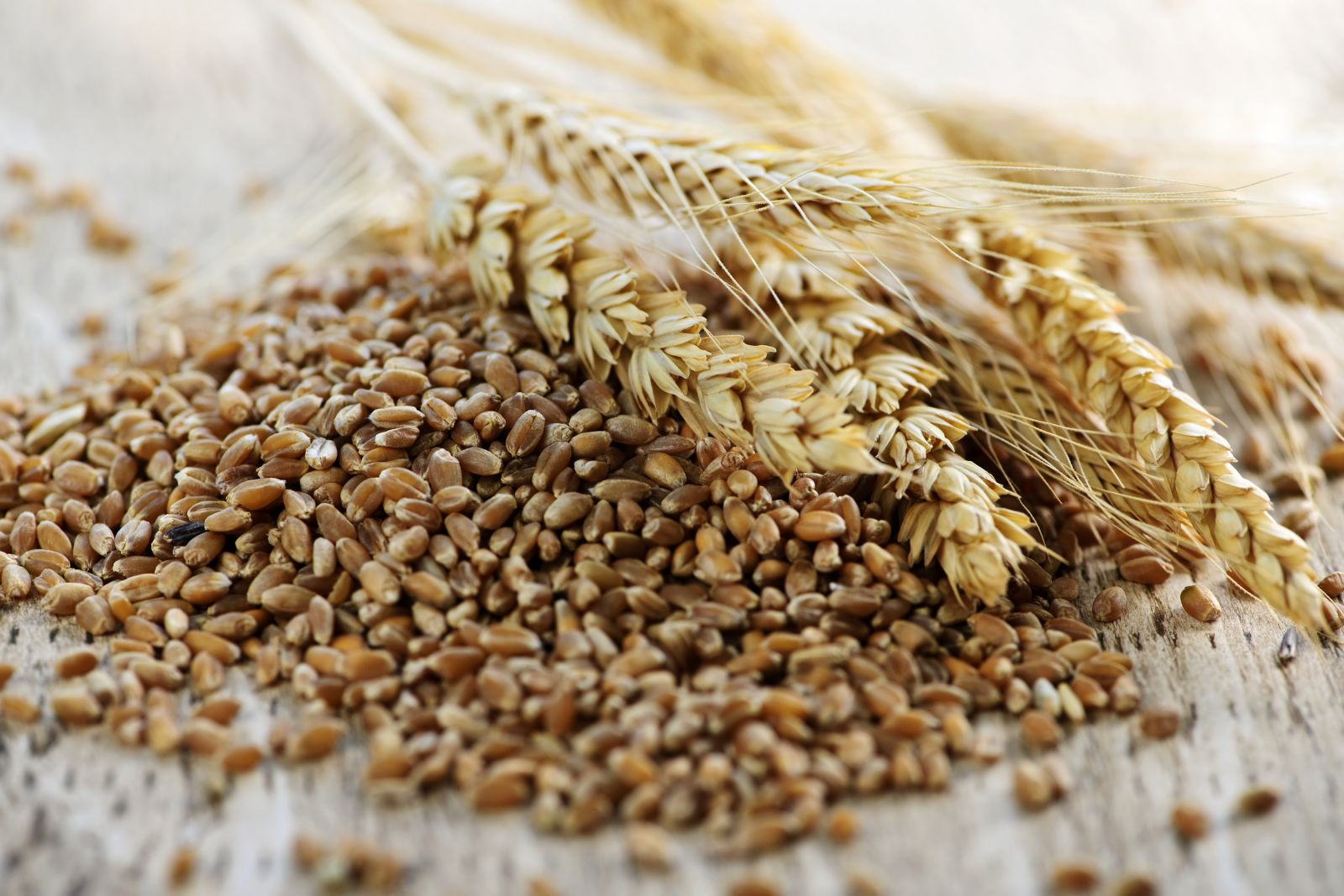
Reaping gains from grains
Eating whole grains may benefit your heart and lengthen your life.
Grain foods made from the hard, dry seeds of plants have been a nutritional basic for thousands of years. When you eat a whole grain, you're getting more than just the fiber from the seed's outer layer. You also get all the vitamins, minerals, good fats, enzymes, antioxidants, and phytonutrients that are stripped away when grains are processed.

An avocado a day may keep cholesterol at bay
Adding an avocado a day to a healthy diet may lower harmful LDL cholesterol levels, according to a study in the Journal of the American Heart Association. Forty-five overweight or obese volunteers followed three different cholesterol-lowering diets, each for five weeks. One diet had 24% of calories from fat; the other two were 34% fat, one of which included an avocado per day. While participants were on the avocado diet, their LDL levels dropped an average of 13.5 points—nearly twice as much as when they were on the other two diets.
Hass avocados (the type used in the study) have bumpy, greenish-black skin. The creamy flesh is rich in monounsaturated fats, which help lower LDL cholesterol when swapped for saturated fat. But other compounds in avocados, such as fiber and plant sterols, may also contribute to their healthful benefits, say the authors. Avocados can be sliced into salads, spread on sandwiches, or mashed to make guacamole. Just be sure to go easy on the high-calorie, salty corn chips often served with the latter.

Best tips to stay on your medication and stay healthy
Using gadgets, such as a seven-day pillbox or an electronic pill dispenser, can help you stick to a medication regimen and stay healthy. |
Tried-and-true methods, plus the latest electronic reminders and gadgets.

Ask the doctor: Should I retire now or keep working as long as I am able?
Q. My wife says I should slow down and retire, but I hope I can work forever. What's your take?
A. It's a question I get asked a lot, from boomers and pre-boomers, and one I've asked myself.
CoQ10: Should you take this popular supplement if you're on a statin?
Microplastics: A hidden health threat?
Oat vs. dairy milk: Nutrition, benefits, and downsides
What is tempeh? Benefits, nutrition, and how to use it
Healing after food poisoning
Children of centenarians may stay healthier and live longer too, study finds
Light exposure at night may raise risk for heart disease
A lumbar belt may help ease low back pain
Whole grains may improve several heart risk factors at once
Signs of pneumonia: Sometimes vague and unexpected
Free Healthbeat Signup
Get the latest in health news delivered to your inbox!
Sign Up
