

Fatty liver disease: Should you be tested?

Weight-loss drug may lower risk of heart attacks and infections

Testosterone therapy without evidence of deficiency may boost heart risk

Even a little exercise linked with lower stroke risk in people with afib

Antihistamines may not offer meaningful relief from eczema symptoms

What to eat on the DASH diet

Tricep workouts you can do at home

FDA approves first mRNA-based flu vaccine

Migraine: How it's diagnosed and what that means

Mindfulness practices to reduce stress and improve focus
Caregiving Archive
Articles

Shore up your core
Building the strength of the central muscles in your torso can help improve your balance and mobility.
You probably don't give a lot of thought to your core muscles, but they play a starring role in your daily life.
"The core is critical for stability and functional motion day to day," says Dr. Beth Frates, clinical assistant professor of physical medicine and rehabilitation at Harvard Medical School. "For example, standing, bending, twisting, and sitting all require the core muscles. With a strong core, people can reach for glasses on high shelves and stay balanced while walking with heavy grocery bags."

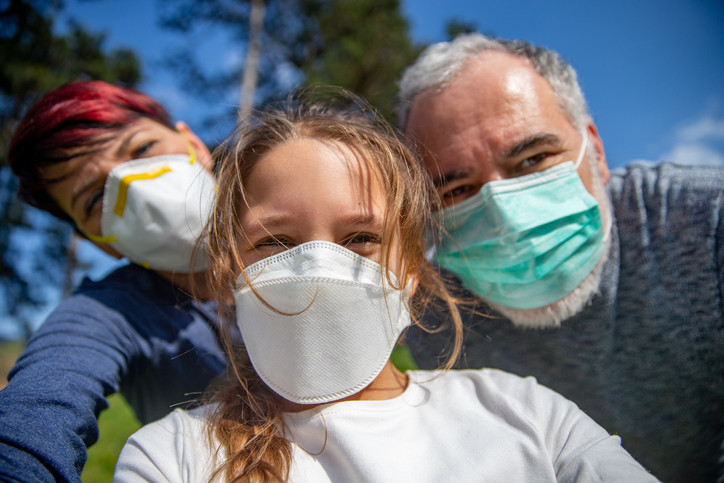
7 tips for going outside safely with your children during the COVID-19 pandemic
During the COVID-19 pandemic, getting yourself and your children outside helps with both physical and mental health. Be smart and do it safely by following these tips.
Staying calm in turbulent times
There are several ways to manage anxiety on your own, but it's important to recognize when to get professional help.
Nowadays, simply tuning in to the daily news is likely to be stressful. Add on the stresses of daily life — such as handling work demands or adjusting to retirement, dealing with family issues, coping with illness, or caregiving — and you may begin to greet each day with apprehension and worry. In other words, you can become anxious.
"Some degree of anxiety is normal and even necessary," says Dr. Ann Epstein, a psychiatrist at Harvard-affiliated Cambridge Health Alliance and medical editor of the Harvard Special Health Report Coping with Anxiety and Stress. "Anxiety signals us that something is awry or might need our attention. However, you don't want the response to become exaggerated or to dominate your life," she says. Good coping mechanisms for stress and anxiety can help you stay healthy during turbulent times.

Strategies to support teens and young adults with autism spectrum disorder during COVID-19
The conditions imposed by the COVID-19 pandemic are challenging for all of us, but are especially difficult for teenagers with autism spectrum disorder and their families. Strategies to support teens and families living with ASD can help lessen the impact of the virus.
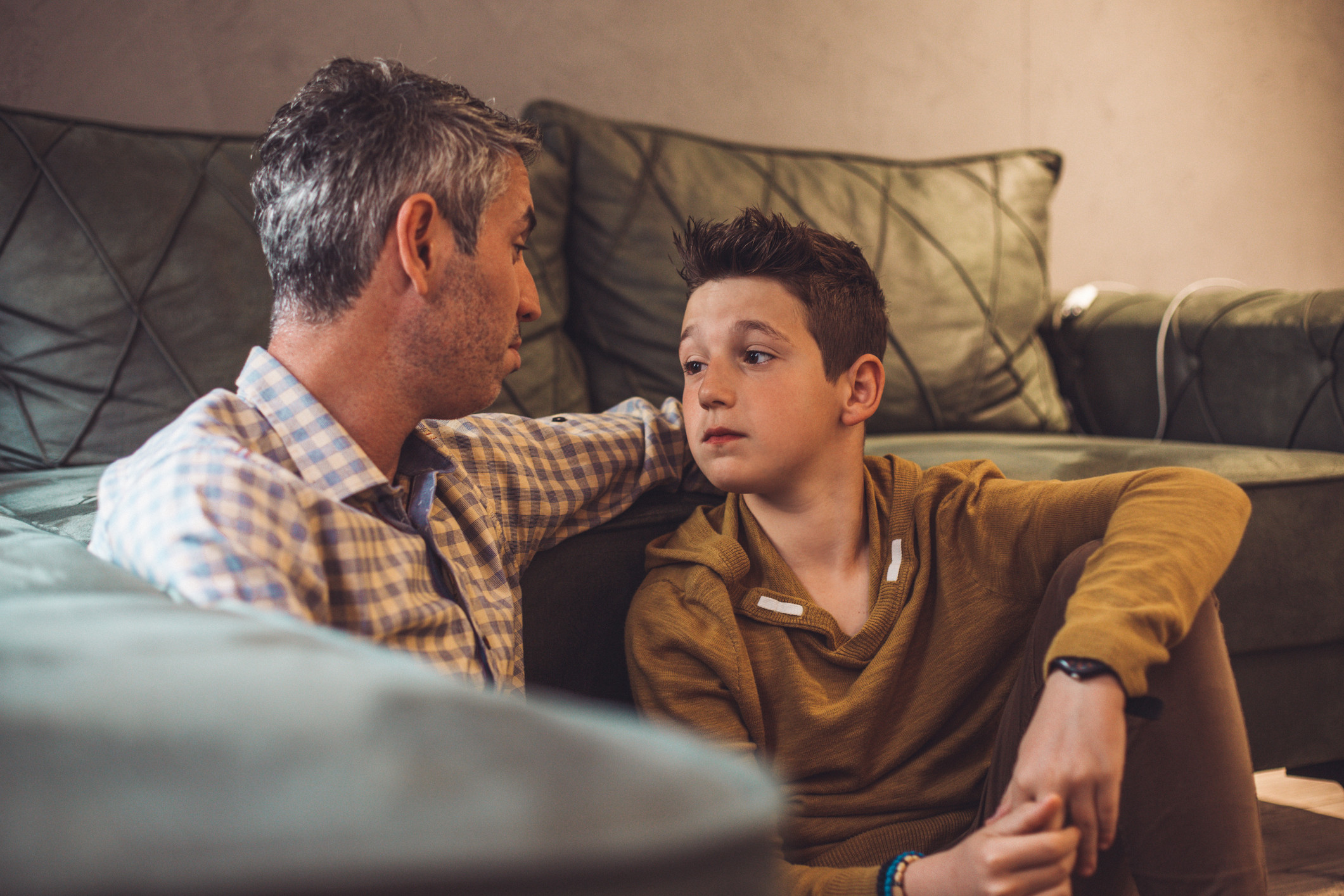
How can you support your teenager with autism spectrum disorder if they are depressed?
A recent study found that teens with autism spectrum disorder are three times more likely to develop depression, but several aspects of ASD overlap with those of depression, so identifying symptoms of depression in a person with ASD can be challenging.

Preserving your balance
Good balance is key to preventing potentially disabling falls. It takes active coordination of many systems in the body to achieve good balance, but beginning in your 50s, you may start noticing subtle changes that can lead to difficulties. It's important to identify factors—such as inner ear problems, illnesses, medications, changes to your gait, weight gain or loss, pain, or foot problems—that might affect your balance, and look for solutions.
How gait affects balance
Gait encompasses the many distinct features that make up the way a person walks. Gait includes pacing, the length of the stride, the swing of the leg to put the foot forward, the shift of balance from one leg to the other, how the foot is planted (toe first, heel first), and how the weight is distributed through the step. Your gait is as distinctive as your voice and fingerprints, and even subtle changes to the way you walk can increase the risk of falls.

A tale of two epidemics: When COVID-19 and opioid addiction collide
In our inner cities, the COVID-19 pandemic comes on top of another crisis that has plagued our country for years: the opioid epidemic. The combined effects of these two events are immense, and highlight already-existing problems with our society and our health care system.
6 self-care steps for a pandemic — always important, now essential
You’ve probably heard more about self-care lately than usual. Because our current situation is so abnormal and stressful, looking after yourself is even more important, and no one is more aware of this than doctors and other medical personnel.
Fatty liver disease: Should you be tested?
Weight-loss drug may lower risk of heart attacks and infections
Testosterone therapy without evidence of deficiency may boost heart risk
Even a little exercise linked with lower stroke risk in people with afib
Antihistamines may not offer meaningful relief from eczema symptoms
What to eat on the DASH diet
Tricep workouts you can do at home
FDA approves first mRNA-based flu vaccine
Migraine: How it's diagnosed and what that means
Mindfulness practices to reduce stress and improve focus
Free Healthbeat Signup
Get the latest in health news delivered to your inbox!
Sign Up
