

Fatty liver disease: Should you be tested?

Weight-loss drug may lower risk of heart attacks and infections

Testosterone therapy without evidence of deficiency may boost heart risk

Even a little exercise linked with lower stroke risk in people with afib

Antihistamines may not offer meaningful relief from eczema symptoms

What to eat on the DASH diet

Tricep workouts you can do at home

FDA approves first mRNA-based flu vaccine

Migraine: How it's diagnosed and what that means

Mindfulness practices to reduce stress and improve focus
Caregiving Archive
Articles

In search of sleep
Many women making the transition to menopause have trouble sleeping. Several strategies can help you get the rest you need.
If you're a woman of a certain age and you often find yourself staring at the ceiling in the middle of the night, you're not alone. The years leading up to menopause and the period that immediately follows are the times that women are most likely to report problems sleeping, according to the National Sleep Foundation. Many different conditions that are common in this stage of life — including hot flashes, obstructive sleep apnea, and mood disorders such as depression or anxiety — can cause sleep problems.
Lack of sleep is more than just a nuisance. "We now understand that high-quality sleep is absolutely vital to good health," says Dr. JoAnn E. Manson, the Michael and Lee Bell Professor of Women's Health at Harvard Medical School. This means that seeking care should be a priority if you are experiencing problems.

Can forest therapy enhance health and well-being?
When you were a child and your mother told you to go play outside, it wasn’t just because she needed some child-free time. Inspired by a Japanese practice, forest therapy is an immersion in nature that has been shown to have positive effects on health.

Collaborative care: Treating mental illnesses in primary care
Collaborative care is a team-based model of integrated psychiatric and primary care that can treat mental illnesses in the primary care setting. Providing this patient-centered care in the primary care setting improves access to mental health care and reduces stigma.

When dieting doesn't work
Most diets can help you lose weight, but that weight is frequently regained within a few months — a fact supported by an analysis of more than 100 research trials on diets. But losing weight is easier, and more likely to be permanent, if you choose a diet with foods you actually like.
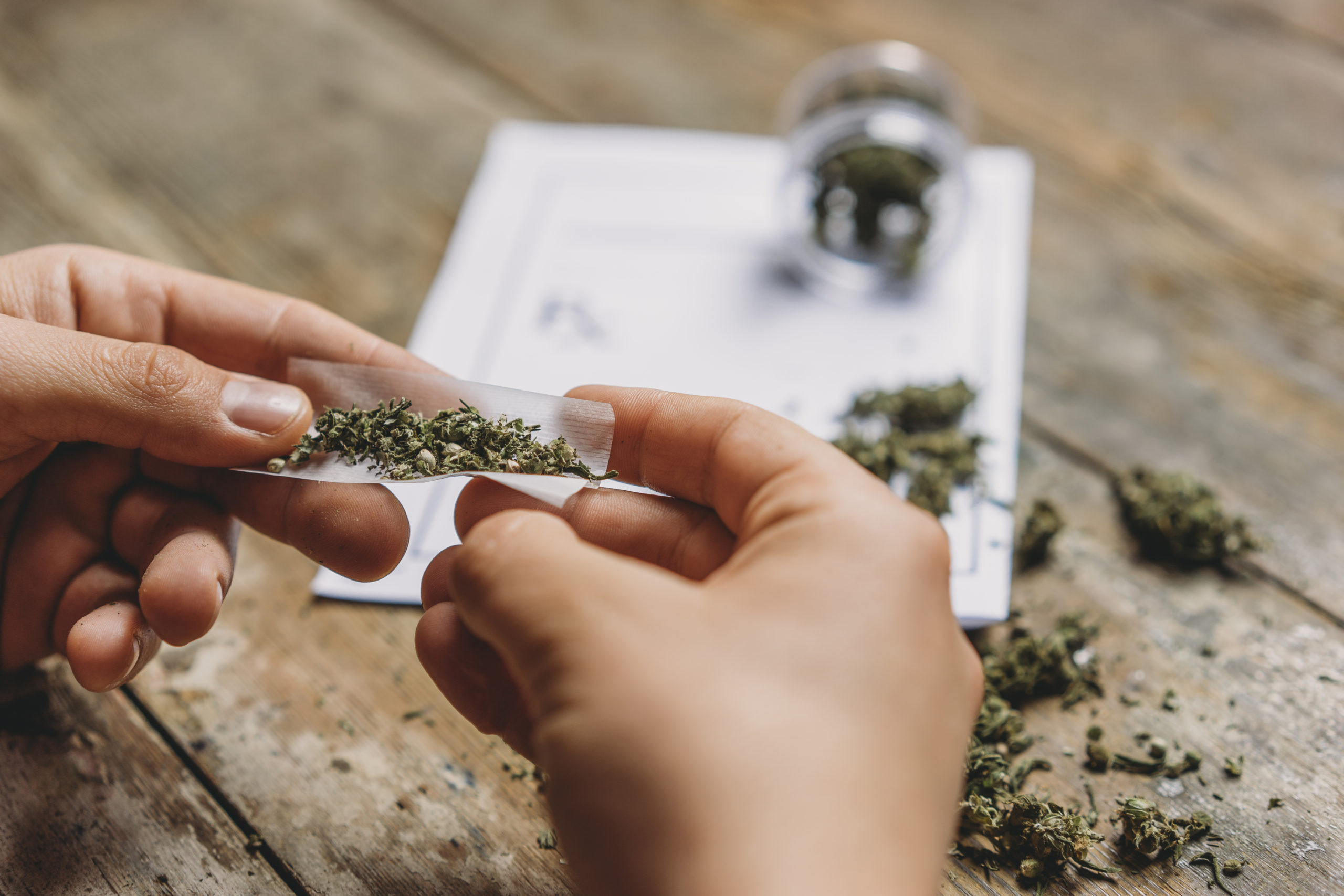
If cannabis becomes a problem: How to manage withdrawal
There is disagreement over whether or not there is such a thing as a cannabis withdrawal syndrome, but it's definitely real, and with increased availability of legal marijuana and other products, even those who use it medicinally need to be aware of the symptoms, and what to do if they think they have it.

Medication or therapy for depression? Or both?
No single treatment—whether it's an antidepressant drug or a style of talk therapy—can ease depression in every case. However, research suggests you will improve your chances of getting relief if you combine drugs and therapy. One report that pooled findings from 25 studies found that adding psychotherapy to drug treatment was more helpful than medication alone in treating major depression. Earlier research suggested that one reason therapy and medication may complement each other is that they have different effects on the brain.
In addition to relieving depression, combination therapy may help ward off recurrences. A classic three-year study reported in JAMA tracked recurrences of major depression in about 200 people ages 60 or older. Of those who received monthly interpersonal therapy and who also took an antidepressant medication, 80% avoided a recurrence. In contrast, the same could be said for only 57% of those who received the drug alone, 36% of those given just interpersonal therapy, and a mere 10% in the placebo group.

Does professional memory training work?
Are you worried about your memory? You can go it alone and teach your-self techniques for strengthening your memory. Or, you can get pro-fessional memory training. Some medical centers offer memory training programs in which people meet every week or so to learn memory enhancement techniques, then practice them as homework. Another alternative is to attend a series of individual sessions with a clinician who specializes in memory and other cognitive problems. Such a specialist can recommend specific strategies for the types of memory problems that affect you.
If you are considering a memory enhancement program, choose one that is run by a health professional with specialized training in cognitive rehabilitation. Some people benefit from individual treatment, where their particular needs can be identified and addressed.

Perfecting your walking technique
People are often surprised to learn that there's more to walking than simply putting one foot in front of the other. In fact, a little technique goes a long way to making your walks more enjoyable and more effective. Technique is especially important if you are hoping to become fitter and lose weight, because it will enable you to walk faster and longer. When you're standing tall, your muscles will move through a greater range of motion for a more powerful stride. Improving your walking posture will help you to look and feel more confident, too—and you'll look slimmer before losing a single pound. It will also help alleviate aches and pains and allow you to take deep breaths for more energy.
For any type of walking
The following rules will help you maintain good form.

The "hip hike" exercise for building hip strength
The hip hike is used to build hip strength if you're about to get into a running or walking program. It's easy, but you can also perform the hip hike by holding a chair to steady yourself. Make sure you're standing on a low, but stable, platform before you begin.
The "alphabet exercise" for foot and ankle strength
It's easy. Make believe your big toe is a pencil and sketch out the alphabet. These muscle movements will help build foot and ankle strength, which aids balance and helps prevents falls. You can learn more at the Harvard online course Exercises for Bone Strength.
Fatty liver disease: Should you be tested?
Weight-loss drug may lower risk of heart attacks and infections
Testosterone therapy without evidence of deficiency may boost heart risk
Even a little exercise linked with lower stroke risk in people with afib
Antihistamines may not offer meaningful relief from eczema symptoms
What to eat on the DASH diet
Tricep workouts you can do at home
FDA approves first mRNA-based flu vaccine
Migraine: How it's diagnosed and what that means
Mindfulness practices to reduce stress and improve focus
Free Healthbeat Signup
Get the latest in health news delivered to your inbox!
Sign Up
