
Fatty liver disease: Should you be tested?

Weight-loss drug may lower risk of heart attacks and infections

Testosterone therapy without evidence of deficiency may boost heart risk

Even a little exercise linked with lower stroke risk in people with afib

Antihistamines may not offer meaningful relief from eczema symptoms

What to eat on the DASH diet

Tricep workouts you can do at home

FDA approves first mRNA-based flu vaccine

Migraine: How it's diagnosed and what that means

Mindfulness practices to reduce stress and improve focus
Caregiving Archive
Articles

Live in the moment, but also plan for future stress
In the journals
Need help staying positive during trying times? Live more in the moment, but also focus on how to cope with future stresses. This advice comes from a study published online March 25, 2020, by Personality and Individual Differences.
Researchers explored two factors in how people handle stress: mindfulness and proactive coping. Mindfulness is when people live in the moment rather than dwelling on the past or worrying about the future. Proactive coping is when people make efforts to reduce the effect stress has on them.

Is your habit getting out of control?
Stress can raise your risk of developing a substance use disorder. Here's how to get help when you need it.
In recent months, Americans' collective stress level has risen in response to the pandemic and economic fallout. Many people are looking for ways to help themselves feel better. Unfortunately, stress can trigger a number of unhealthy coping strategies — drinking alcohol to excess, bingeing on junk food, engaging in drug use, or other harmful behaviors. If you've ever had a substance use disorder, a bout of significant stress may even put your recovery at risk.
This is likely due to the shift the human brain makes in times of trauma. Instead of focusing on long-term goals, your brain zeroes in on short-term objectives.

Should you use an antidepressant to get through a difficult time?
Before taking pills for a temporary situation, consider the risks.
You might think that using an antidepressant temporarily could help you weather a challenging time, such as a period of grief, extreme stress, or serious illness. But you shouldn't just jump into taking an antidepressant, cautions Dr. Jane Erb, psychiatric director of the Behavioral Health Integration in Primary Care Program at Harvard-affiliated Brigham and Women's Hospital.
"There's no evidence that taking an antidepressant in the short term will help or that it will prevent longer-term consequences of stress, such as post-traumatic stress disorder," she says.

Learn new things without leaving home
Resources to teach you new skills are more accessible than ever, and the experience could lead to sharper thinking.
The world is full of ordinary people who've learned to do extraordinary things without entering a classroom. For example, British fashion designer Nadine Merabi taught herself to sew watching how-to videos on YouTube. Video game developer Lual Mayen learned to write computer programs using a laptop tutorial, as he grew up in a Ugandan refugee camp.
But learning new things doesn't have to lead to fame or fortune; learning also brings invaluable health benefits, such as more purpose in life, sharper thinking, and maybe even better brain health. "Engaging in mentally stimulating activities has not only been linked with a lower risk of full-blown dementia, but also a lower risk that the mild cognitive lapses we can have as we get older will get worse," says Dr. Joel Salinas, a neurologist who specializes in behavioral neurology and neuropsychiatry at Harvard-affiliated Massachusetts General Hospital.

What precautions should I take when using telemedicine services?
Ask the doctors
Q. I'm considering using a telemedicine provider. Is there anything I should be aware of before I make my appointment?
A. The good news is that insurance coverage has expanded recently, due to the COVID-19 pandemic, which has allowed many people to access telehealth services who weren't able to in the past. Telehealth services can take many forms, from live video consultations to remote patient monitoring. But you should use some caution when taking advantage of these services to ensure that your privacy is protected.

Living room workouts
There are plenty of ways to exercise when you're indoors.
When your gym is closed and exercising outdoors isn't an option, it's tempting to focus on a couch routine, working out your thumb on the TV remote. But exercising is a crucial way to keep your immune system healthy, boost your mood, and stave off chronic illness. And there are many options to keep exercising, even when you're stuck indoors.
Aerobic workouts
Aerobic activity often requires lots of space, but it doesn't have to. "Just stepping in place is a simple and effective workout," notes Harvard fitness expert and certified fitness instructor Michele Stanten.

Turn your exercise into summer fun
Moving more doesn't have to be a drag.
Many people don't look forward to their daily workout so much as they look forward to getting through it. "Exercise is often a very negative term," says Dr. Edward Phillips, assistant professor of physical medicine and rehabilitation at Harvard Medical School. "People hear it as something they have to do. It becomes another thing on the list, and when they don't do it, they feel even worse."
If this sounds like you, it may be time to reframe your workouts. Exercise should feel like a gift, not a chore, says Dr. Phillips. Sound like a lofty goal? The first step toward achieving it is to change your thinking. Stop calling it exercise, he suggests; start referring to it as physical activity, and a whole new world of options will open up.

What’s the healthiest way to brew coffee?
News briefs
Drinking coffee is linked to many health benefits, such as less weight gain, lower average daily blood pressure, and a reduced risk for diabetes and cardiovascular disease. But which brewing method will help you get the most from your cup? A study published online April 22, 2020, by the European Journal of Preventive Cardiology found that filtering coffee (for example, with a paper filter) — not just boiling ground coffee beans and drinking the water — was better for health, particularly for older people. Researchers analyzed the survey responses of more than 500,000 healthy coffee drinkers (ages 20 to 79) who were followed for about 20 years. People younger than 60 who drank one to four cups of coffee, particularly filtered coffee, had lower rates of artery disease and death. The lower rate of death with filtered coffee drinkers persisted in people ages 60 or older, but was lost in people who drank five or more cups per day. The study is observational and doesn't prove that filtered coffee is healthier than unfiltered coffee, but it makes sense. Unfiltered coffee contains diterpenes, compounds that can raise cholesterol, and researchers say a cup of unfiltered coffee contains 30 times more diterpenes than a cup of filtered coffee. So use that coffee filter, save the French press or Turkish unfiltered coffee for rare occasions, and consider limiting your coffee intake to less than five cups per day, on average.
Image: © Ohoho/Getty Images
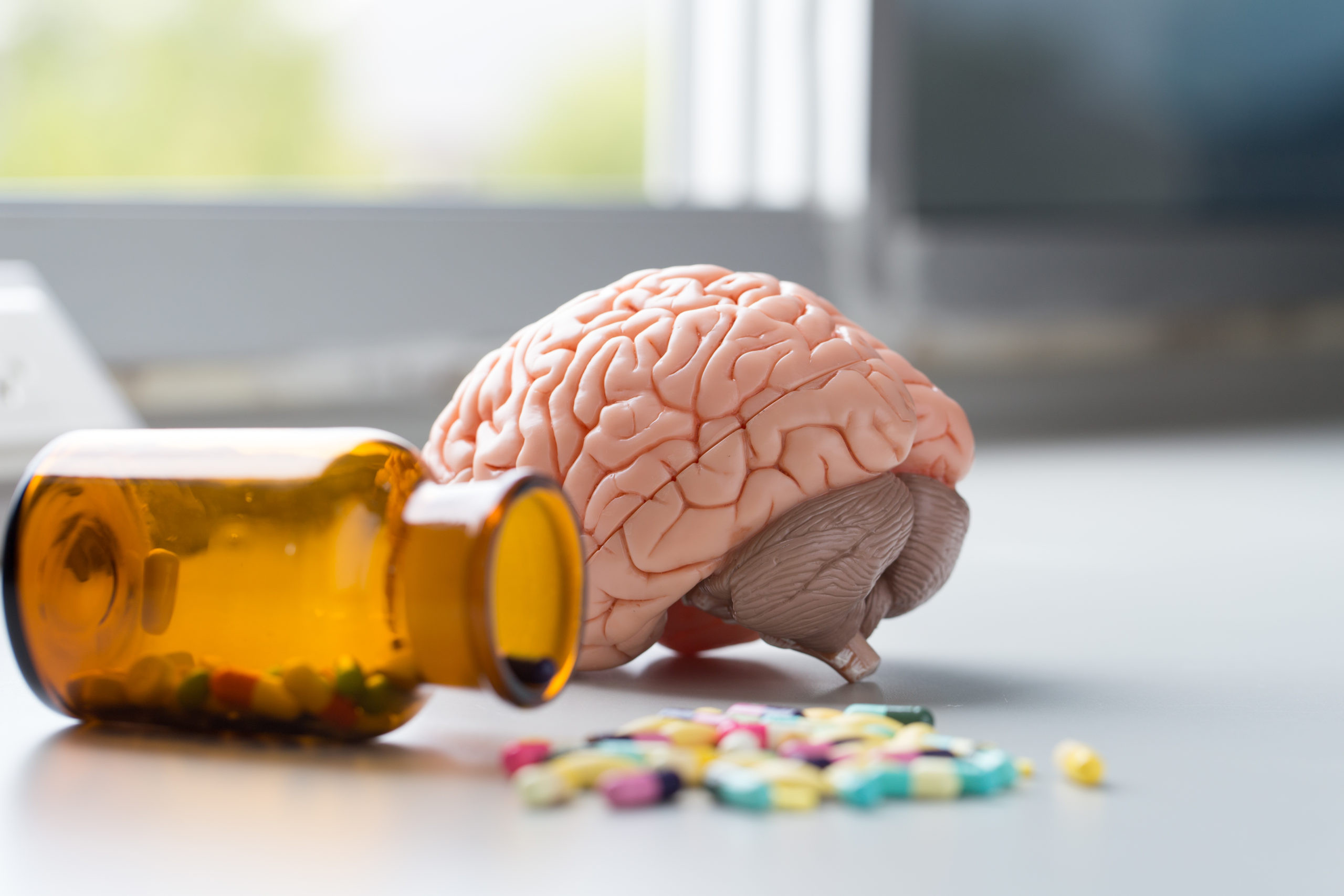
Brain plasticity in drug addiction: Burden and benefit
The brain’s neuroplasticity — its ability to adapt and change — makes it possible for us to learn new skills and solve complex problems, but it also makes some people more vulnerable to the consequences of substance use disorders. This same ability also makes it possible for a person to make cognitive modifications in order to change an addictive behavior.

Fatty liver disease: Should you be tested?
Weight-loss drug may lower risk of heart attacks and infections
Testosterone therapy without evidence of deficiency may boost heart risk
Even a little exercise linked with lower stroke risk in people with afib
Antihistamines may not offer meaningful relief from eczema symptoms
What to eat on the DASH diet
Tricep workouts you can do at home
FDA approves first mRNA-based flu vaccine
Migraine: How it's diagnosed and what that means
Mindfulness practices to reduce stress and improve focus
Free Healthbeat Signup
Get the latest in health news delivered to your inbox!
Sign Up
