

Fatty liver disease: Should you be tested?

Weight-loss drug may lower risk of heart attacks and infections

Testosterone therapy without evidence of deficiency may boost heart risk

Even a little exercise linked with lower stroke risk in people with afib

Antihistamines may not offer meaningful relief from eczema symptoms

What to eat on the DASH diet

Tricep workouts you can do at home

FDA approves first mRNA-based flu vaccine

Migraine: How it's diagnosed and what that means

Mindfulness practices to reduce stress and improve focus
Caregiving Archive
Articles

Exercising to relax
How does exercise reduce stress? Surprising answers to this question and more.
How does exercise reduce stress, and can exercise really be relaxing?
Rest and relaxation. It's such a common expression that it has become a cliche. And although rest really can be relaxing, the pat phrase causes many men to overlook the fact that exercise can also be relaxing. It's true for most forms of physical activity as well as for specific relaxation exercises.

What should you do during a psychiatric medication shortage?
With the increased stress caused by the the COVID-19 pandemic, prescriptions for medications to treat mental illnesses have increased, leading to potential shortages of certain psychiatric medications. This means that some people might need to discuss their options with their prescribing clinician.

Will an app keep you on your medication schedule?
News briefs
The use of electronic apps (applications) downloaded to a smartphone or laptop has been revolutionizing the way we do many tasks, including staying healthy and socially connected. And a review of studies published online Jan. 30, 2020, by BMJ Open suggests that certain apps may also help you do a good job of staying on your medication schedule. Researchers combed through nine randomized controlled trials that included about 1,000 mostly middle-aged and older adults with chronic health conditions such as cardiovascular disease, depression, or Parkinson's disease. People who used apps to support them in taking medications were twice as likely to report that they stuck to a medication regimen compared with people who didn't use apps. The study doesn't prove that apps are going to make people take their pills; the information in the study came from self-reported adherence, not objective measures like pill count or blood levels of drugs. But since these were randomized trials, the results probably are valid. And apps can help in many ways: you can use medication apps not only to set reminders to take medications and log when you've had them, but also to look up potential drug interactions, renew prescriptions, identify pills, and even find cheaper drug prices.
Image: Pornpak Khunatorn/Getty Images

Blood alcohol levels — even legal ones — are tied to deadly crashes
News briefs
Here's another reason to stay off the road if you've been drinking any amount of alcohol: a study published online March 3, 2020, by the American Journal of Preventive Medicine found that a significant amount of motor vehicle deaths involve people who've consumed alcohol but whose blood alcohol levels do not exceed legal limits. In most states, it's legal to drive with a blood alcohol level above zero but below .08%. When researchers evaluated all vehicle-related deaths that occurred in the United States from 2000 to 2015 (612,000 deaths), they noted that nearly 37% of the deaths (more than 223,000) occurred in crashes involving one or more drivers who'd been drinking. Of those deaths, 15% (almost 34,000) were from crashes involving drivers whose blood alcohol level was detectable but within legal limits. And 55% of the people who died in those crashes were passengers, pedestrians, cyclists, and drivers who hadn't been drinking. Bottom line: driving with a low blood alcohol level may be legal, but it's not really safe.
Image: © Ohoho/Getty Images

How stress can harm your heart
Stressful experiences are hard to avoid and impossible to predict. But taking steps to bolster your resilience may help.
The palpable stress stemming from the COVID-19 pandemic has made things once considered stressful — such as deadlines or traffic jams — seem pretty trivial in comparison. But while you may not be able to avoid the stressful situations that come your way, there are ways to mitigate your body's response to those events.
So far, the evidence that stress management strategies can protect your heart is limited but growing. Yet there's no doubt that stress contributes to heart problems. "The link between stress and cardiovascular disease is well established," says cardiologist Dr. Ahmed Tawakol, an associate professor of medicine at Harvard Medical School.

Early smokers may smoke for longer
Research we're watching
If you tried smoking at a young age, your chances of being an adult smoker go up, says a study published in April 2020 in the Journal of the American Heart Association.
The study authors looked at data from more than 6,500 children and adolescents between the ages of six and 19 who were then followed into their 40s. Study authors found that the earlier people tried smoking, the more likely they were to have a daily habit as they aged. For example, of the people who first tried smoking between the ages of 6 and 12, 50% were daily smokers by the time they reached their 20s, compared with 8% of people who started smoking at 18 or 19.

Make up your mind
Do you struggle with decisions? These strategies can help you make good choices more efficiently.
We make countless choices every day. Most are the mundane variety: what to eat, what to wear, what movie to watch. But often our decisions (or lack thereof) have a significant impact on our well-being.
Poor decision making is often a consequence of natural cognitive decline. This can cloud people's judgment about what is the right course of action or make it harder to weigh multiple options. The result is that people make questionable choices, or they feel overwhelmed and don't make any decision, which is sometimes even worse.
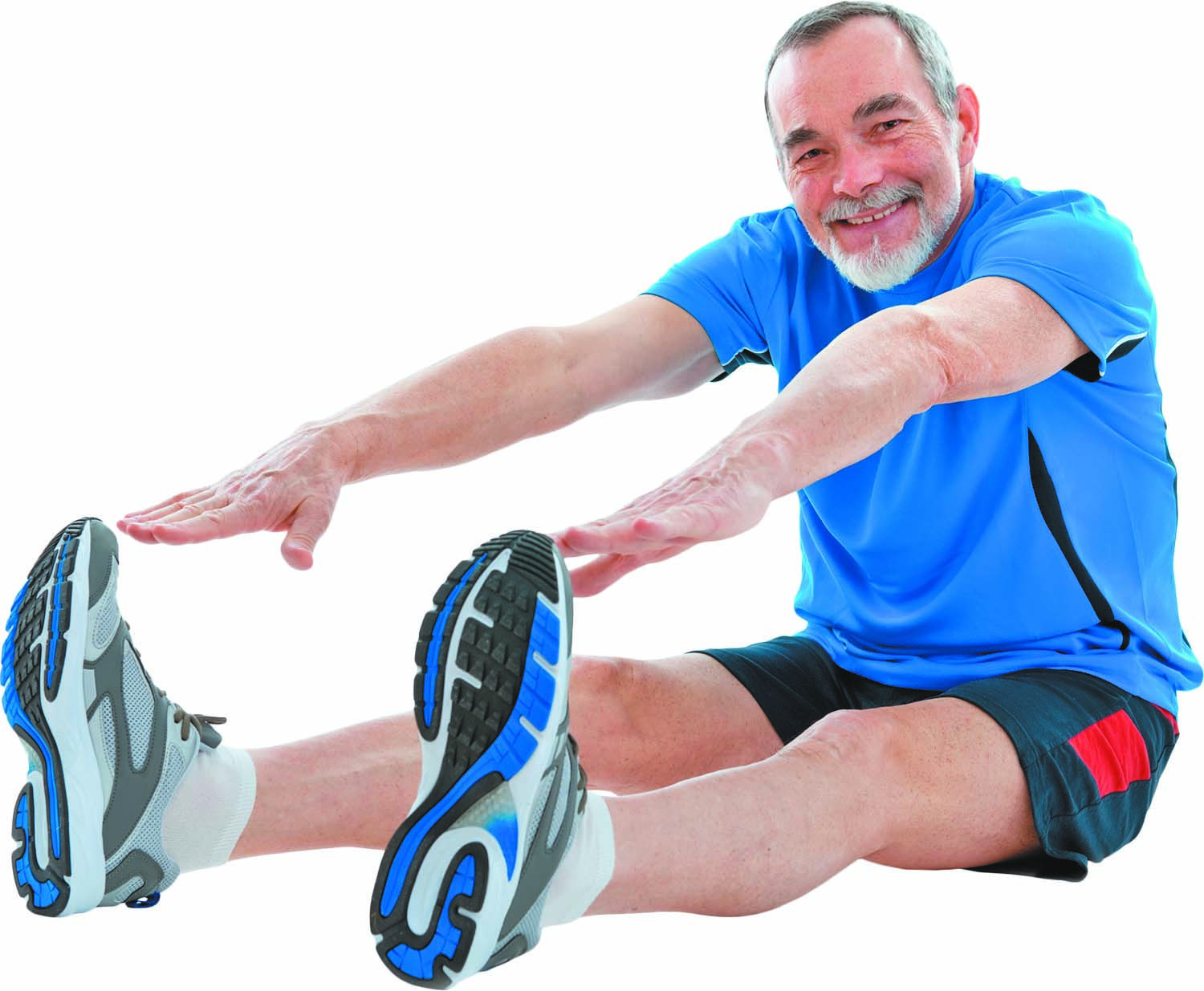
A plan for easy stretching
Stretching becomes crucial as you age. Here is a quick routine that addresses the major tight spots.
Stretching is much like flossing. You know it's good for your health, but for whatever reason, you may not always make time for it.
"Most people know they need to stretch more, but find it burdensome or are not sure what to do," says Urvashi Chogle, a physical therapist at Harvard-affiliated Spaulding Rehabilitation Network.

Total daily steps, not step intensity, offer more benefits
In the journals
Don't be discouraged if you're not a quick walker. A new study suggests that total daily steps — and not how many steps you take per minute — are related to a lower risk of death. The results were published in the March 24/31, 2020, issue of JAMA.
Researchers examined data from 4,840 people, average age 57, who were involved in the National Health and Nutrition Examination Survey. The participants wore an accelerometer — a device that measures movement, including the number of steps taken per minute — for about 14 hours a day for an average of 5.7 days. The people were then followed for 10 years.

Are video calls a loneliness cure?
If you haven't made a video call yet, give it a try to fight isolation.
When much of the world began lockdowns to battle coronavirus in March 2020, many people turned to video calls to fight off the loneliness that often accompanies social isolation. Tech companies reported that the use of video calls for socializing surged by as much as 80%, enabling people to "see" family and friends. But it doesn't take a lockdown to warrant the use of this technology.
The epidemic of loneliness and isolation
Loneliness affects more than a third of older Americans. Another third of older adults feel isolated: they may be living alone, lack transportation, or live far from loved ones. Or they may have outlived a spouse or friends.
Fatty liver disease: Should you be tested?
Weight-loss drug may lower risk of heart attacks and infections
Testosterone therapy without evidence of deficiency may boost heart risk
Even a little exercise linked with lower stroke risk in people with afib
Antihistamines may not offer meaningful relief from eczema symptoms
What to eat on the DASH diet
Tricep workouts you can do at home
FDA approves first mRNA-based flu vaccine
Migraine: How it's diagnosed and what that means
Mindfulness practices to reduce stress and improve focus
Free Healthbeat Signup
Get the latest in health news delivered to your inbox!
Sign Up
