

Fatty liver disease: Should you be tested?

Weight-loss drug may lower risk of heart attacks and infections

Testosterone therapy without evidence of deficiency may boost heart risk

Even a little exercise linked with lower stroke risk in people with afib

Antihistamines may not offer meaningful relief from eczema symptoms

What to eat on the DASH diet

Tricep workouts you can do at home

FDA approves first mRNA-based flu vaccine

Migraine: How it's diagnosed and what that means

Mindfulness practices to reduce stress and improve focus
Caregiving Archive
Articles

Always worried about your health? You may be dealing with health anxiety disorder
Health anxiety can interfere with your life, but it's highly treatable.
Image: © XiXinXing/Getty Images
You spend hours on the Internet researching health information. When you get a scratchy throat you automatically think cancer — not a cold. And even when medical tests come back showing that you're healthy, it doesn't make you feel better. In the back of your mind you still feel like something is wrong.
If this sounds like you or a loved one, it may be health anxiety.

Keeping teens home and away from friends during COVID-19
It may be difficult to impress on your teenage children the importance of staying home and not socializing with their friends during this pandemic, but as parents, you are going to have to convince them. Here are some helpful tools and ideas.

Not a staycation: Isolating at home affects our mental health (and what to do)
As the COVID-19 crisis keeps us at home for longer and longer, it’s important to acknowledge that this situation is having negative effects on everyone’s mental health. Here’s how parents and families can take care of themselves in ways that go beyond normal self-care strategies.

What to do about the heartburn medication recall
Some drugs that contain ranitidine (best known as Zantac) have been found by the FDA to have unacceptable amounts of N-nitrosodimethylamine (NDMA), a possible cancer-causing chemical (which also triggered recalls of certain lots of the blood pressure drugs called angiotensin-receptor blockers).
On April 1, 2020, the FDA requested that all forms of ranitidine (Zantac, generic versions), including prescription and over-the-counter products, be removed from the market. They may contain unacceptable levels of a potential cancer-causing substance known as NDMA, or N-Nitrosodimethylamine. In some samples tested by the FDA, the impurity appears to increase over time, especially when stored at higher temperatures. So far, tests of other acid blockers do not show this potential increased cancer risk.

Older adults and medical marijuana: Reduced stigma and increased use
Cannabis use among older adults has been steadily increasing, due to lessening stigma and increased interest in using medical marijuana. But there are specific concerns for older people, so anyone considering this option should have a conversation with their doctor weighing the benefits and risks.
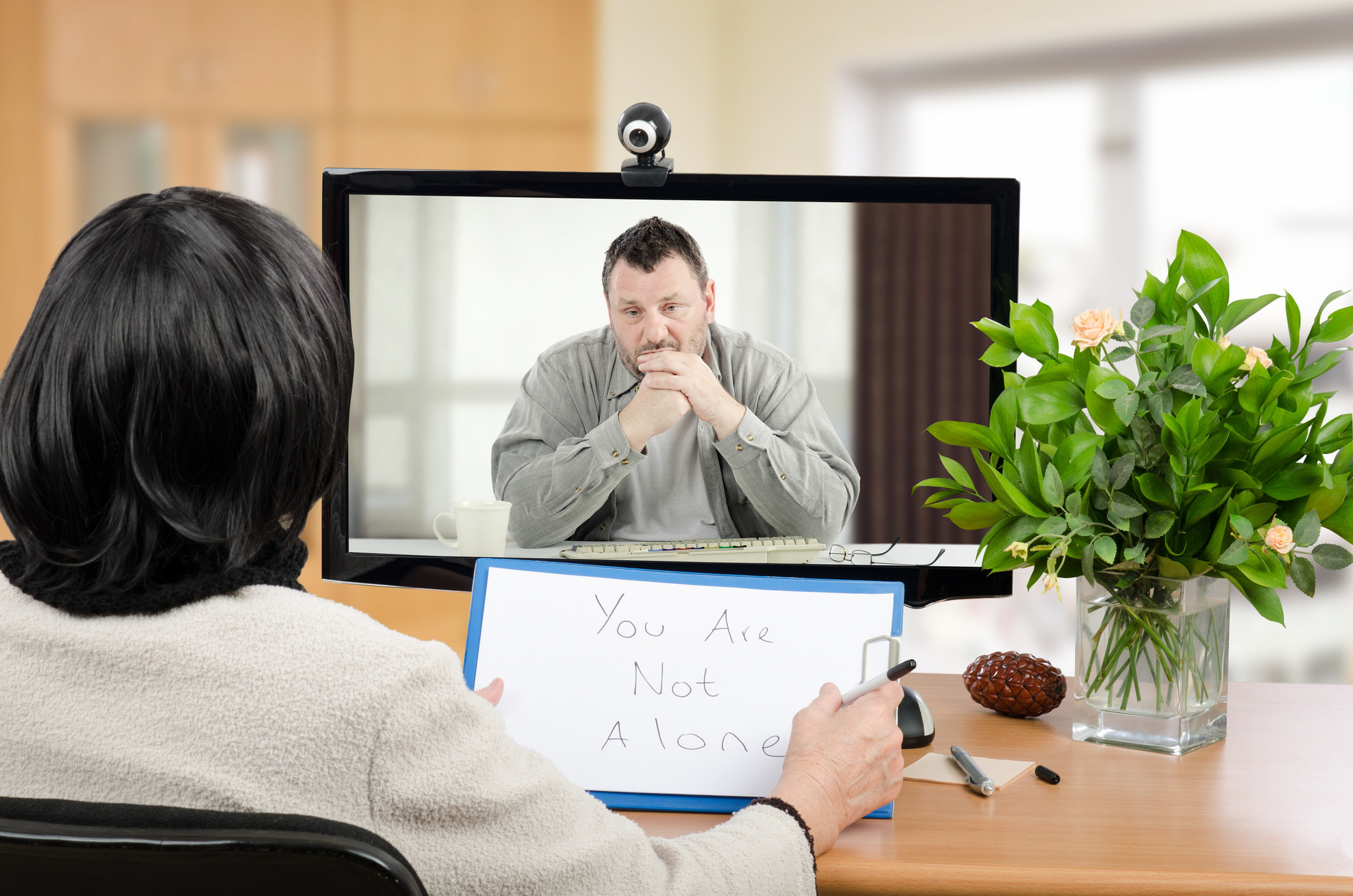
Recovering from addiction during a time of uncertainty and social distancing
Because the very nature of recovery support involves face-to-face interaction, whether in support group meetings or dispensing medication, it is at odds with the need for social distancing during the COVID-19 crisis, creating barriers to receiving support and maintaining recovery.

Healthy habits mean more disease-free years
News briefs
You've heard (in these pages, and others) that a healthy lifestyle can stave off chronic disease. But just how many extra disease-free years might you get from that healthy lifestyle? A lot, suggests an observational Harvard-led study published online Jan. 8, 2020, by The BMJ. Researchers evaluated more than 30 years' worth of health data from 111,000 people who were free of cancer, diabetes, and cardiovascular disease at age 50. Compared with those who didn't follow any healthy lifestyle habits, those who followed four or five healthy habits had an additional decade of disease-free living. The elements of a healthy lifestyle will come as no surprise: don't smoke, limit alcohol intake, eat a healthy diet, maintain a healthy weight, and exercise at least 30 minutes per day. The surprise is just how many additional disease-free years a healthy lifestyle can give you.
Image: © Ridofranz/Getty Images

How much water should you be drinking each day?
Getting the right amount is really about just listening to your body.
Many experts these days are advising women to drink lots of water to stay in good health, and women seem to be listening. It's common to see people toting around voluminous bottles of water and swigging from them all day long. And there's no question that water is necessary for optimal health: it keeps your urinary tract healthy, keeps food moving along your digestive tract, helps regulate your blood pressure and body temperature, and works to cushion and protect joints, organs, and other tissues.
One recent study suggested that not drinking enough water could also affect women's cognition. The study, published online in November 2019 by the European Journal of Nutrition, found that women with lower scores on a test that measured how hydrated they were (called serum osmolarity) also scored lower on cognitive tests that measured recall, attention, mental processing speed, and verbal fluency.

Should you try home hospital care?
News briefs
In the old days, doctors would make house calls; that rarely happens today. However, a new kind of "house call" is in the works: in many cities it's now possible to receive hospital care at home for certain conditions. Such "home hospital care" programs are gaining in popularity. A randomized controlled Harvard study published online Dec. 17, 2019, by Annals of Internal Medicine suggests that the home hospital model of care is less expensive and leads to fewer readmissions than in-hospital care.
Researchers studied about 90 people who'd been diagnosed in the emergency room with infections or flares of heart failure or breathing problems. Half of the people were admitted to hospitals, and the other half were enrolled in home hospital care. The home hospital care group received visits from doctors and nurses, intravenous medications, and video monitoring. People in the home group had 38% lower hospital costs than those in the hospital group, they were more active during care, and they were readmitted to the hospital within 30 days after their care less frequently (7% vs. 23%) than those in the hospital group. Home hospital care is not appropriate for everyone. "If someone is too sick or is in need of advanced procedures, their care may be better delivered in a traditional hospital," says Dr. David M. Levine, the study's lead author and an internal medicine specialist with Harvard-affiliated Brigham and Women's Hospital. However, if you have an illness that needs constant monitoring and treatment for several days — in other words, it can't be done in a doctor's office — yet it also doesn't require advanced procedures or constant and intensive nursing care, the home hospital care model may make sense. "If the home hospital model were offered to a member of my family, I'd encourage them to do it," says Dr. Levine.

5 steps to long-lasting independent living
Here's how to maintain your current active lifestyle.
Older adults want to enjoy their independent living as long as possible. Yet this can become a challenge as people face more health issues.
"Most life changes that cause older adults to lose some or all of their independence occur either gradually or suddenly," says Dr. Jennifer Rhodes-Kropf, a primary care geriatrician at Harvard-affiliated Hebrew SeniorLife's Center Communities of Brookline, Mass. "You need to stay on top of critical areas that can jeopardize your health and lifestyle."
Fatty liver disease: Should you be tested?
Weight-loss drug may lower risk of heart attacks and infections
Testosterone therapy without evidence of deficiency may boost heart risk
Even a little exercise linked with lower stroke risk in people with afib
Antihistamines may not offer meaningful relief from eczema symptoms
What to eat on the DASH diet
Tricep workouts you can do at home
FDA approves first mRNA-based flu vaccine
Migraine: How it's diagnosed and what that means
Mindfulness practices to reduce stress and improve focus
Free Healthbeat Signup
Get the latest in health news delivered to your inbox!
Sign Up
