

CoQ10: Should you take this popular supplement if you're on a statin?

Microplastics: A hidden health threat?

Oat vs. dairy milk: Nutrition, benefits, and downsides

What is tempeh? Benefits, nutrition, and how to use it

Healing after food poisoning

Children of centenarians may stay healthier and live longer too, study finds

Light exposure at night may raise risk for heart disease

Whole grains may improve several heart risk factors at once

A lumbar belt may help ease low back pain

Signs of pneumonia: Sometimes vague and unexpected
Blood Pressure Archive
Articles

Heart failure and potassium
Your body depends on the mineral potassium for many bodily functions, including keeping control of the electrical balance of your heart, metabolizing carbohydrates, and building muscle.
Low potassium levels can cause muscle weakness and heartbeat irregularities. On the other hand, too much potassium can cause your heart to stop.
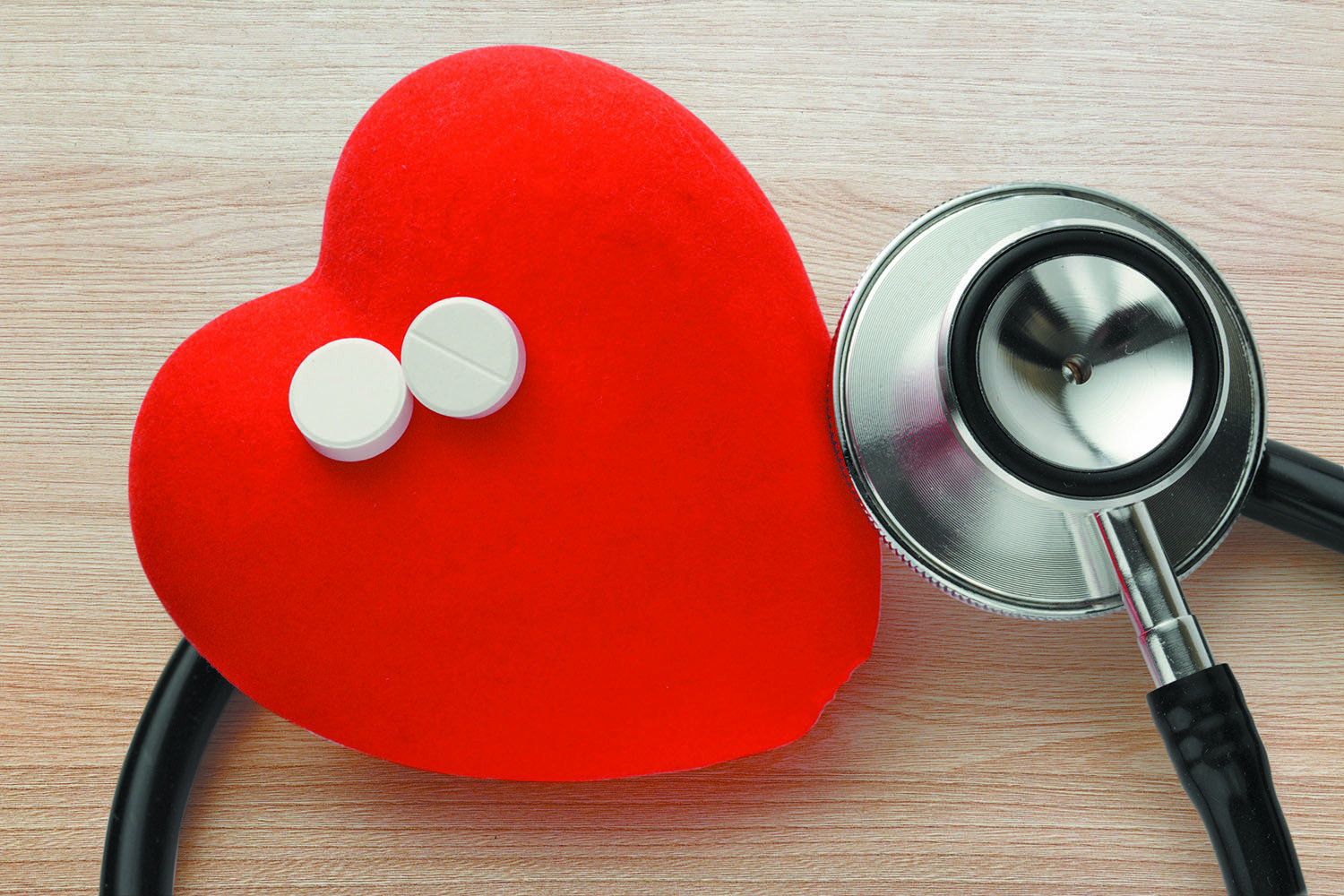
Weighing the risks and benefits of aspirin therapy
It may help prevent a heart attack or stroke, but it comes with the risk of bleeding.
Image: © Garsya/Thinkstock
Maybe you've heard about people who take a low-dose aspirin each day to ward off heart problems. Since aspirin is a medicine you've probably used now and then without a problem, and since it is available without a prescription, you might consider trying a daily low-dose aspirin yourself. Don't do it. Unlike deciding to take a multivitamin, taking a daily aspirin isn't something you should decide to do on your own.
Aspirin therapy is typically prescribed to people who have atherosclerosis of the arteries of the heart or brain, or risk factors for such disease. Just who should take a daily aspirin, how much aspirin, and what type of aspirin are hotly debated issues, with clinical trials under way in search of answers. "Until those results are in, you should talk to your doctor before starting aspirin," says Dr. Deepak Bhatt, a cardiologist and the editor in chief of the Harvard Heart Letter.

Don’t just sit there, move more!
Even if you exercise regularly, sitting for long periods during the day is unhealthy for your heart.
Image: © Jupiterimages/Thinkstock
On average, we spend more than half of our waking hours sitting down: working at a computer, watching television, traveling in a car, or doing other sedentary things such as reading or chatting with friends. But long stretches of uninterrupted sitting have a range of undesirable effects that may harm your heart, says Dr. Beth Frates, who directs wellness programming for the Stroke Research and Recovery Institute at Harvard-affiliated Spaulding Rehabilitation Hospital.
"Sedentary behavior affects your body in many different ways, even down to the molecular level," she notes.

What is a “full metal jacket”?
Ask the doctor
Image: © MileA/Thinkstock
Q. I heard my cardiologist say to another doctor that I have a "full metal jacket." What does that mean?
A. Cardiologists use the term "full metal jacket" to refer to a long series of stents in one of the heart's three major arteries. Stents are tiny metal cylinders, often with drug coatings, that help prop open arteries to restore blood flow to the heart. They're placed inside arteries during an angioplasty, in which a doctor snakes a thin, flexible tube (catheter) through the blood vessels to a narrowed section. A deflated balloon at the tip of the catheter then inflates, pushing fatty plaque against the artery wall and expanding the stent.

Beta blocker blues?
Ask the doctor
Q. My doctor added metoprolol to the diuretic medication I'm taking for my high blood pressure. Ever since then, I've felt more tired than usual, and my wife says I seem a little depressed. Could the new drug be to blame, and if so, is there anything I can do about it?
A. Metoprolol (Lopressor, Toprol) belongs to a class of drugs known as beta blockers. These drugs — which make the heart beat slower and with less force — used to be given as a first-choice treatment for high blood pressure. But they can cause fatigue and depression in some people, as well as other side effects, such as erectile dysfunction.

Should you stop anti-clotting drugs before a procedure?
Because many factors are involved, make sure your doctors talk to each other if you need an invasive test or procedure.
Image: © thodonal/Thinkstock
Millions of people with cardiovascular disease take drugs that help prevent blood clots, which can lodge in a vessel and choke off part of the blood supply to a leg, a lung, or the brain. These potentially lifesaving medications, known generally as anticoagulants, include warfarin (Coumadin) and a class of drugs called non–vitamin K antagonist oral anticoagulants, or NOACs (see "Anti-clotting drugs: The old and the new").
However, if you're taking one of these drugs and need an invasive procedure — anything from a tooth extraction to a hip replacement — managing the risks can be tricky, says cardiologist Dr. Gregory Piazza, assistant professor of medicine at Harvard Medical School. "There's a higher-than-normal risk of bleeding during and after the procedure, because your blood doesn't clot as easily," he says.
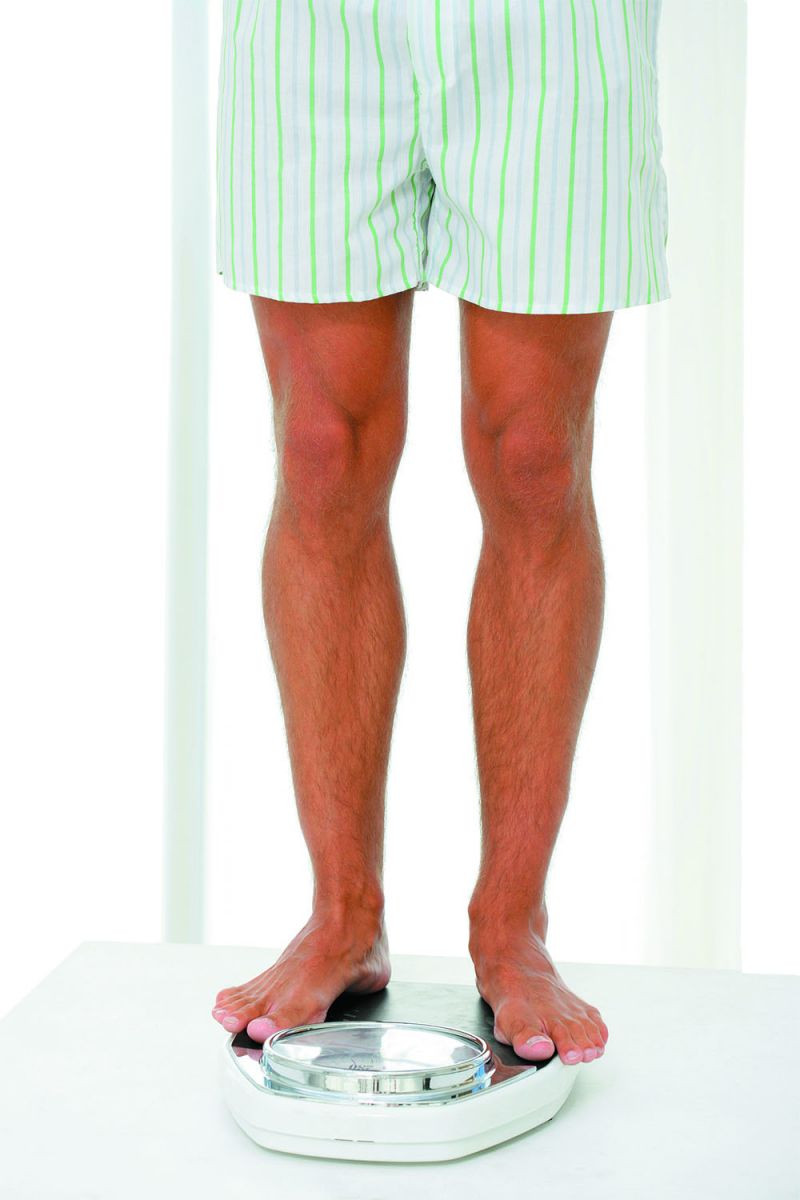
Overweight vs overfat: Is your scale lying to you?
You may be storing unhealthy amounts of visceral fat even if your weight appears normal.
For decades, the body mass index (BMI) has been the gold standard for gauging obesity-related heart disease risk. But this handy tool doesn't always tell the whole story. It extrapolates your body fat percentage based on your height and weight (see www.health.harvard.edu/bmi-calculator). But the formula can't assess how or where your body stores its excess fat — a distinction that is crucial for cardiovascular health. By some estimates, the BMI misclassifies nearly 50% of people who are at higher disease risk from excess fat, meaning that you can be overfat even when you're not overweight.
The secret life of belly fat
Some people are genetically programmed to have a lot of fat tissue under the skin, which is deployed to store extra food energy during times of scarcity. But other people have very few of these designated fat cells, explains Dr. Christos Mantzoros, professor of medicine at Harvard-affiliated Beth Israel Deaconess Medical Center.
Midlife heart health shows a link with future risk of dementia
Factors that harm your heart may be bad for your brain.
Image: © Nik01ay/Thinkstock
During middle age, factors that leave you prone to a heart attack or stroke — high blood pressure, diabetes, and smoking — may raise your risk of developing dementia a quarter-century later, new research suggests. All three things affect your vascular (blood vessel) health.
The recent study, which adds to the growing evidence linking heart health to brain health, has elements that make findings especially reliable, says Dr. Gad Marshall, a Harvard Medical School assistant professor of neurology. "For understanding the vascular risks for dementia, this study is as close to definitive as we can get," he says.

Plant-based diets that protect your heart
Limiting animal-derived foods is only part of the story.
Image: © AnnaPustynnikova/Thinkstock
If you're not totally sure what constitutes a plant-based diet, you're not alone. Many people believe a plant-based diet means a vegetarian diet — a family of eating patterns that omits some or all foods that come from animals (see "Vegetarian variations").
But plant-based diets don't necessarily exclude animal-derived foods. While the main focus is on plants — grains, vegetables, fruits, legumes (dried beans and peanuts), and nuts — these diets may include limited amounts of fish, meat, poultry, and dairy products.
“Fat but fit” still face higher heart disease risk
Research we're watching
People who carry excess weight but have normal blood pressure, blood sugar, and cholesterol values are sometimes dubbed "fat but fit." But they're still more likely to develop heart disease than people who aren't overweight, a new study suggests.
Researchers analyzed more than 7,600 cases of heart disease that occurred over a 12-year period in 10 European countries. They also used data from 10,000 healthy people without heart disease as a comparison group. Compared with people at a healthy weight, those who were overweight or obese had up to a 28% higher risk of developing heart disease.
CoQ10: Should you take this popular supplement if you're on a statin?
Microplastics: A hidden health threat?
Oat vs. dairy milk: Nutrition, benefits, and downsides
What is tempeh? Benefits, nutrition, and how to use it
Healing after food poisoning
Children of centenarians may stay healthier and live longer too, study finds
Light exposure at night may raise risk for heart disease
Whole grains may improve several heart risk factors at once
A lumbar belt may help ease low back pain
Signs of pneumonia: Sometimes vague and unexpected
Free Healthbeat Signup
Get the latest in health news delivered to your inbox!
Sign Up
