

CoQ10: Should you take this popular supplement if you're on a statin?

Microplastics: A hidden health threat?

Oat vs. dairy milk: Nutrition, benefits, and downsides

What is tempeh? Benefits, nutrition, and how to use it

Healing after food poisoning

Children of centenarians may stay healthier and live longer too, study finds

Light exposure at night may raise risk for heart disease

Whole grains may improve several heart risk factors at once

A lumbar belt may help ease low back pain

Signs of pneumonia: Sometimes vague and unexpected
Blood Pressure Archive
Articles

People at low risk for heart trouble may not need routine ECGs
In the journals
A study published in the September 2017 issue of JAMA Internal Medicine found that doctors may prescribe an electrocardiogram (ECG) as part of an annual health examination even for people at low risk for heart disease. The study looked at about 3.6 million people with no history of heart problems, like heart attack, high blood pressure, or diabetes, who had at least one routine exam over a five-year period. Of these people, 21.5% had an ECG within 30 days after their exam.
The researchers found that those who got the ECG were five times more likely to get further cardiology testing that not only increased out-of-pocket costs, but also raised their risks of radiation exposure and complications from additional procedures. The addition of an ECG did not appear to offer additional benefits, as the rates of death, heart-related hospitalizations, and bypass surgery were equally low in both the ECG and non-ECG groups at the one-year follow-up.
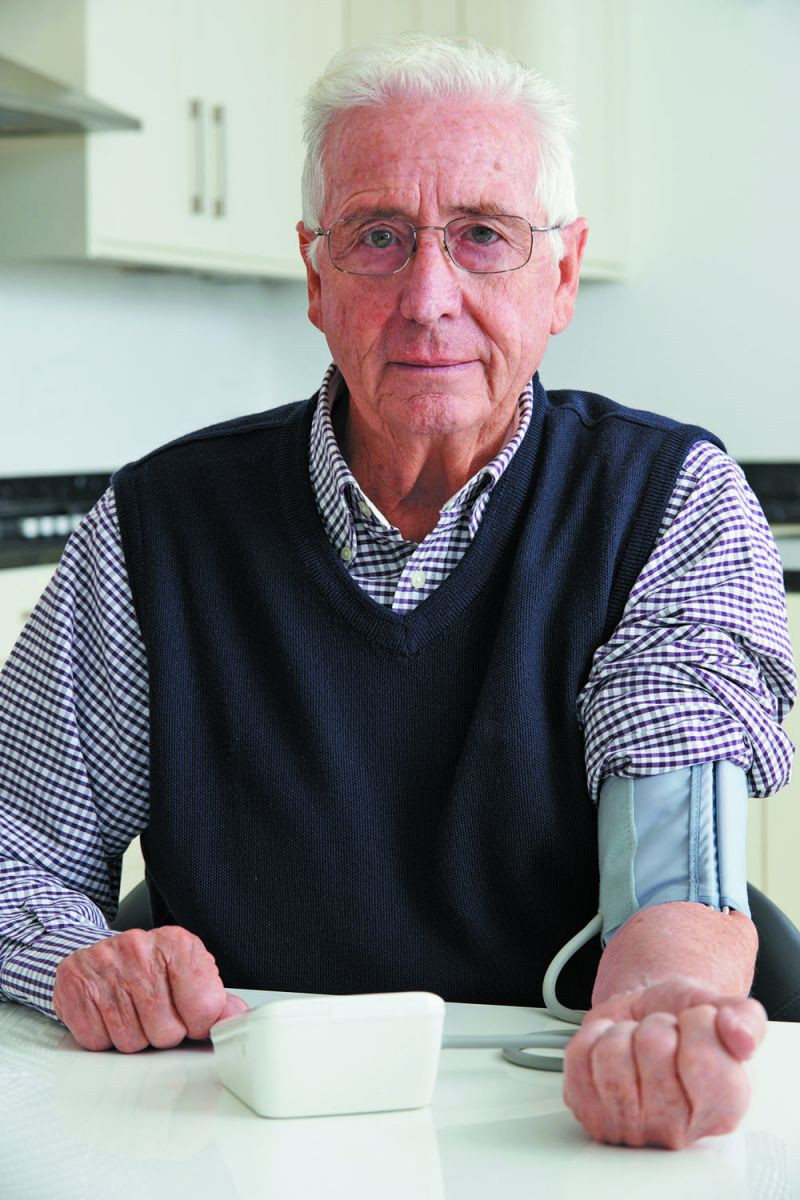
Choosing and using a home blood pressure monitor
These devices help you keep tabs on a key indicator of your cardiovascular health.
Of all the things you measure to assess your health, blood pressure certainly ranks among the most important. High blood pressure not only puts you at risk for a heart attack or a stroke, but also can damage your brain, eyes, and kidneys.
For some people with this common condition, checking blood pressure intermittently at the doctor's office may not be enough. Investing in a simple, inexpensive home blood pressure monitor often makes sense. It's especially helpful when you're starting a new medication or are taking several different ones and still working to reach your blood pressure goal.

Resistant to aspirin?
Ask the doctor
Q. I recently started taking low-dose aspirin, per my doctor's advice. But I heard that for some people, aspirin doesn't help prevent heart attacks. Is this true, and is there any way to find out if I'm one of those people?
A. The phenomenon you're referring to is sometimes called aspirin resistance. However, true aspirin resistance is very uncommon. There are tests for the problem, but I don't recommend them.

Should you consider taking a fish oil supplement?
The net benefit of these popular supplements is very limited.
Image: © stocksnapper/Thinkstock
Millions of Americans swallow an amber-colored capsule of fish oil each day, lured by its alleged health benefits. In the supplement aisle of most pharmacies, supermarkets, and big-box stores, the shelves are crowded with different brands of fish oil supplements (see "Fish oil: A brief history"). Many tout benefits for the heart. In fact, the label of one popular brand includes the phrase "May reduce coronary heart disease risk."
But those bold marketing claims haven't caught up with the latest science. Earlier this year, the American Heart Association (AHA) issued an updated advisory about fish oil supplements and their cardiovascular benefits. Their verdict: Fish oil supplements may slightly lower the risk of dying of heart failure or after a recent heart attack. But they do not prevent heart disease. (A separate AHA advisory about fish consumption is slated for release in 2018.)
After a stroke with no clear cause, a heart repair may be in order
Closing a gap inside the heart may help prevent a rare type of stroke from recurring.
Image: Adapted from © rabbitteam/Thinkstock
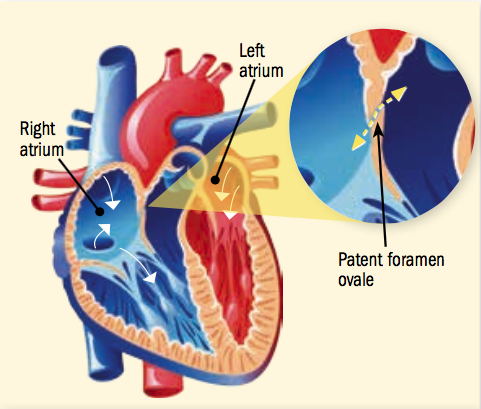
Most strokes occur when a clot blocks blood flow to part of the brain. Often, doctors can tell what caused the clot to form. But about a quarter of the time — especially in people younger than 60 — there is no obvious reason. These types of strokes are known as cryptogenic (meaning "of hidden origin").
One possible cause underlying a cryptogenic stroke is an opening in the wall that separates the heart's right and left upper chambers (atria). Known as a patent foramen ovale, or PFO, this flaplike opening is quite common. About one-quarter of all adults have a PFO (see "What is a patent foramen ovale?").
Targeting inflammation: A missing link in heart treatments
A novel anti-inflammatory drug may discourage repeat heart attacks.
Image: © vchal/Thinkstock
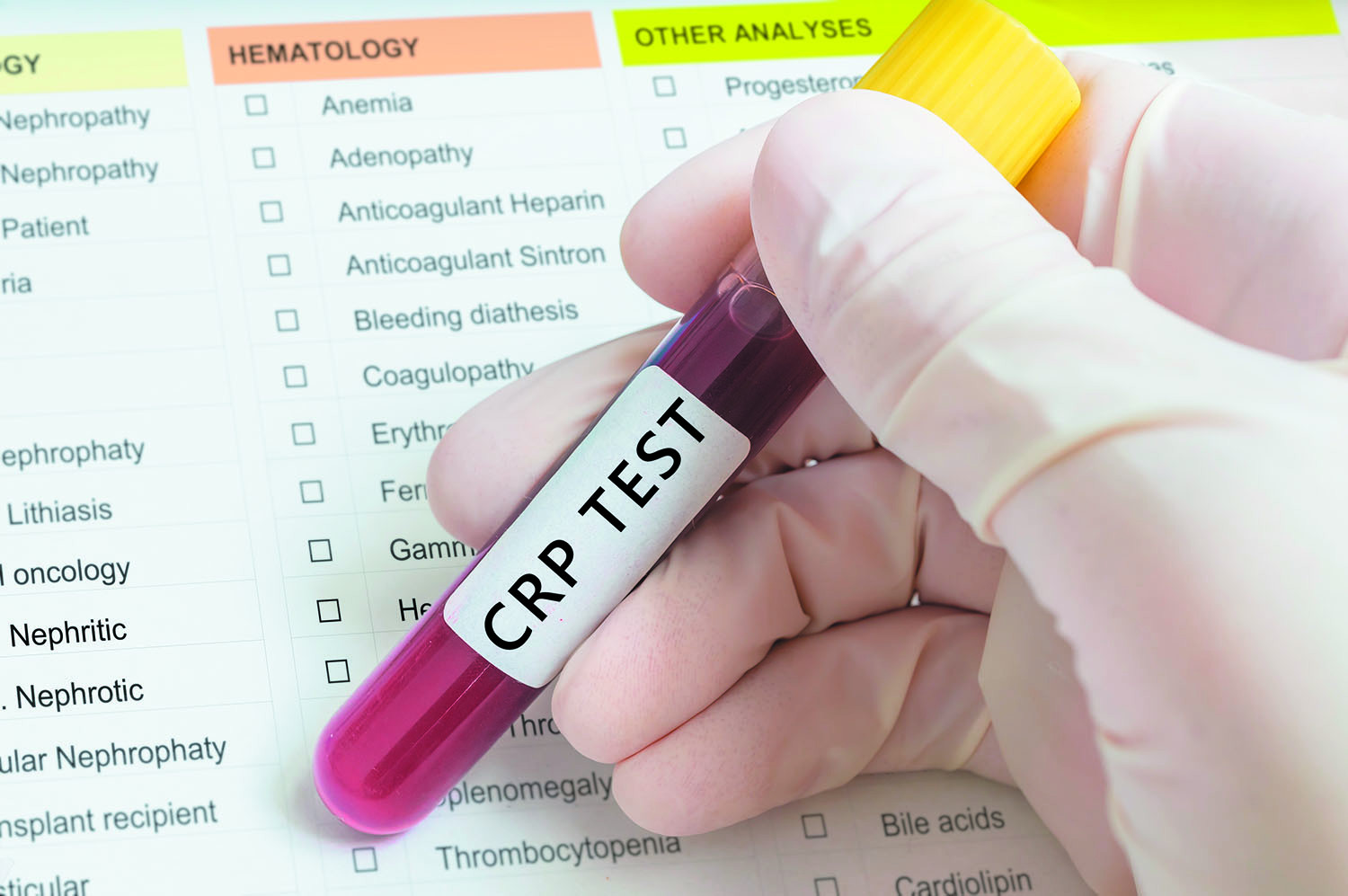
Inflammation grabbed the attention of researchers a couple of decades ago as a primary culprit in the progression of cardiovascular disease. However, identifying a drug therapy that leverages this link has been more elusive. With the results of the recent Canakinumab Anti-inflammatory Thrombosis Outcomes Study (CANTOS), published in the Sept. 21, 2017, issue of The New England Journal of Medicine, it appears that the dots are finally beginning to connect.
"For the first time, we have an anti-inflammatory therapy that can reduce the chance that a person who has already had a heart attack will have a repeat occurrence," says Dr. Peter Libby, a cardiologist at Harvard-affiliated Brigham and Women's Hospital. "This opens up a new field of treatment and offers hope to our patients." He is one of the co-authors of the study, which was led by his colleague and fellow Harvard Medical School professor Dr. Paul Ridker.
When you look for cancer, you might find heart disease
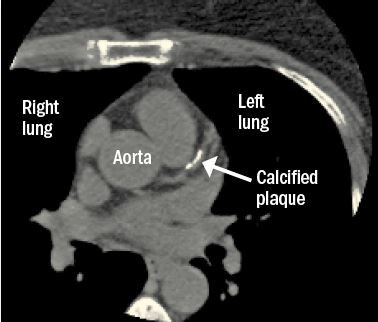
Screening tests for lung and breast cancer—chest computed tomography (CT) scans and mammograms—may offer clues about a person’s risk of heart disease.

Meditation may help lower heart disease risk
Research we're watching
Image: © Svetlana Braun/Thinkstock
The ancient, mind-calming practice of meditation may have a role in reducing the risk of heart disease. So says a scientific statement from the American Heart Association in the Sept. 28, 2017, Journal of the American Heart Association.
Experts reviewed dozens of studies published over the past two decades. The results suggest that meditation may improve a host of factors linked to heart disease, including stress, anxiety, depression, poor sleep quality, and high blood pressure. It may also help people stop smoking. An added bonus: it's low-cost and poses no apparent risk.

Why walnuts may help with weight loss
Research we're watching
Image: © Boonchuay1970/Thinkstock
Noshing on a handful of nuts on most days of the week has been linked to a lower risk of obesity and heart disease. New research may help explain why: walnuts appear to activate a brain region involved in appetite and impulse control.
For the study, nine people with obesity drank a smoothie that contained about 14 ground walnut halves or a placebo smoothie (identical in taste and calories) for five consecutive days. After a month on their regular diets, the participants returned for another five days, during which the placebo group drank walnut smoothies and vice versa. On day five of both periods, they underwent brain imaging tests while looking at pictures of desirable foods (such as burgers and cake), less desirable foods (vegetables), or neutral pictures of rocks and trees.

CoQ10: Should you take this popular supplement if you're on a statin?
Microplastics: A hidden health threat?
Oat vs. dairy milk: Nutrition, benefits, and downsides
What is tempeh? Benefits, nutrition, and how to use it
Healing after food poisoning
Children of centenarians may stay healthier and live longer too, study finds
Light exposure at night may raise risk for heart disease
Whole grains may improve several heart risk factors at once
A lumbar belt may help ease low back pain
Signs of pneumonia: Sometimes vague and unexpected
Free Healthbeat Signup
Get the latest in health news delivered to your inbox!
Sign Up
