

CoQ10: Should you take this popular supplement if you're on a statin?

Microplastics: A hidden health threat?

Oat vs. dairy milk: Nutrition, benefits, and downsides

What is tempeh? Benefits, nutrition, and how to use it

Healing after food poisoning

Children of centenarians may stay healthier and live longer too, study finds

Light exposure at night may raise risk for heart disease

A lumbar belt may help ease low back pain

Whole grains may improve several heart risk factors at once

Signs of pneumonia: Sometimes vague and unexpected
Blood Pressure Archive
Articles

Weight-loss surgery may lower risk of heart disease in people with diabetes
Most people with type 2 diabetes also have obesity. Weight-loss surgery has a positive impact on risk factors for heart disease, and a recent study found that this surgery significantly reduced the risk of death in people with obesity and diabetes.

Rethinking low-dose aspirin
New studies shed light on the role of aspirin for people without a previous heart attack or stroke.
Image: © dszc/Getty Images
It costs just pennies per pill, doesn't require a prescription, and may be lifesaving for some people. But daily low-dose aspirin doesn't make sense for everyone. Now, three major studies that examined the benefits and risks of this widely used drug may alter the advice about who should take aspirin.
"Aspirin remains a cornerstone of treatment after a heart attack or stroke. But the question of whether people with a low to moderate risk of heart disease should take aspirin is a really important one," says Dr. Christopher Cannon, a cardiologist at Brigham and Women's Hospital and professor of medicine at Harvard Medical School. Tens of millions of people in the United States fall into that low-to-moderate-risk category. But until now, there weren't many large trials that included those people, he notes.

Eating can cause low blood pressure
Postprandial hypotension, low blood pressure that occurs after eating, can cause dizziness, chest pain, nausea, or other issues, particularly in the elderly.

How to lower your cholesterol without drugs
Trans fats and saturated fats can raise LDL cholesterol levels. A diet rich in unsaturated fats, whole grains, and fruits and vegetables can lower them.

Recognizing and treating depression may help improve heart health

Think running is not for you? Try this
Not a fan of running? Good news: You don’t need to run fast, far, or that often to reap benefits. And you can ease into running by doing a run/walk program, where you alternate periods of running and walking and gradually increase the time spent running.

Aspirin for heart attack: Chew or swallow?
Immediate first aid works to minimize blood clotting triggered by plaque ruptures
How should you take aspirin for a heart attack? You've always been healthy, but you seemed to run out of steam at your wife's 60th birthday dinner last week. And now your chest feels heavy, as if you're in a vise. You take some antacids, even though it's 7:00 a.m. and you haven't even had breakfast. But you get no relief, and the pain is spreading to your jaw and shoulder. You call your wife, who takes one look at you and rushes to the phone. After calling 911, she brings you an aspirin and some water.
Your wife got it right: You may be having a heart attack, and you need to get to the hospital fast. You also need to get some aspirin into your system quickly — but should you chew the tablet or swallow it?
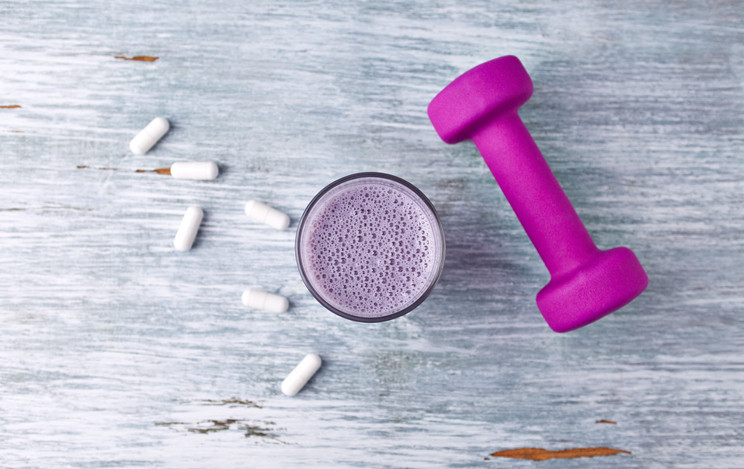
Lifestyle changes are important even if you take medications
People who are prescribed medication for high cholesterol or high blood pressure may be more likely to gain weight and less likely to exercise, but for those who are on such medications, it’s even more important to commit to making healthier lifestyle choices.
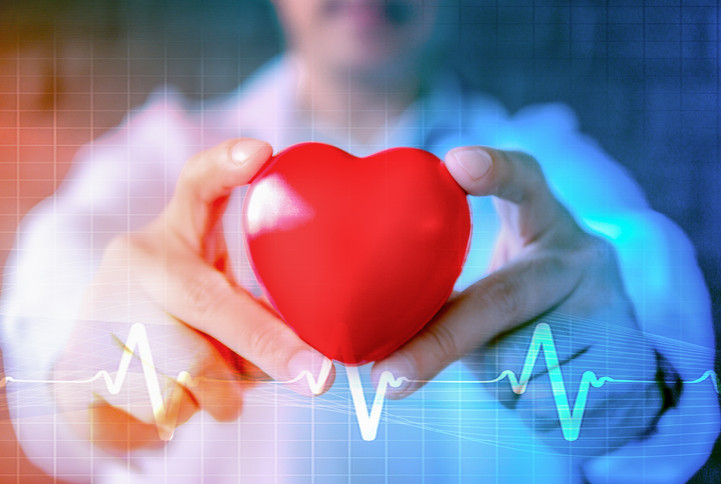
How does cardiovascular disease increase the risk of severe illness and death from COVID-19?
Initial investigation into COVID-19 focused on its respiratory effects, but a more recent report describes serious cardiovascular complications in people with pre-existing heart disease. How does this underlying condition increase risk for these people?

The dairy dilemma
How much dairy should you consume each day? And are some dairy products or milk alternatives better for heart health than others?
These days, the supermarket dairy aisle can be tricky to navigate. Along with the nonfat, 2%, and full-fat cow's milk lining the refrigerated shelves, you'll often find a dizzying array of plant-based milk alternatives made from different nuts, beans, and grains. Even the yogurt and cheese sections now feature nondairy products, such as coconut yogurt and cashew cheese.
The expanded choices reflect the growing trend toward plant-based diets, which people embrace for a range of reasons. Some people minimize or avoid meat, dairy, and other animal-based foods because of religious reasons or concerns about environmental sustainability or animal welfare. People who are focused mainly on a heart-healthy diet know to steer clear of red and processed meat. But when it comes to dairy products, the story isn't quite as straightforward.
CoQ10: Should you take this popular supplement if you're on a statin?
Microplastics: A hidden health threat?
Oat vs. dairy milk: Nutrition, benefits, and downsides
What is tempeh? Benefits, nutrition, and how to use it
Healing after food poisoning
Children of centenarians may stay healthier and live longer too, study finds
Light exposure at night may raise risk for heart disease
A lumbar belt may help ease low back pain
Whole grains may improve several heart risk factors at once
Signs of pneumonia: Sometimes vague and unexpected
Free Healthbeat Signup
Get the latest in health news delivered to your inbox!
Sign Up
