

CoQ10: Should you take this popular supplement if you're on a statin?

Microplastics: A hidden health threat?

Oat vs. dairy milk: Nutrition, benefits, and downsides

What is tempeh? Benefits, nutrition, and how to use it

Healing after food poisoning

Children of centenarians may stay healthier and live longer too, study finds

Light exposure at night may raise risk for heart disease

A lumbar belt may help ease low back pain

Whole grains may improve several heart risk factors at once

Signs of pneumonia: Sometimes vague and unexpected
Blood Pressure Archive
Articles

Stress and the heart: Lessons from the pandemic
Doctors have begun to study the effects of COVID-related stress and anxiety on people. A recent study suggests that stress caused by the pandemic may already be affecting heart health.

Non-HDL cholesterol, explained
Ask the doctor
Image: © jarun011/Thinkstock
Q. My recent cholesterol test result included "non-HDL cholesterol." What is the significance of this number?
A. Your non-HDL cholesterol result refers to your total cholesterol value minus your HDL cholesterol. When you get your blood drawn for a cholesterol test (also known as a lipid profile or lipid panel), the report usually includes four numbers: low-density lipoprotein (LDL) cholesterol; high-density lipoprotein (HDL) cholesterol; triglycerides; and total cholesterol.

Carotid artery ultrasound: Should you have this test?
This screening test is simple and painless, but it isn't appropriate for most people.
Image: © VILevi/Thinkstock
For years, for-profit companies have mailed offers for health screening tests to homes across the United States. For about $150, you can undergo a series of ultrasound scans, which the companies claim can uncover potentially dangerous cardiovascular conditions. One scan looks at your carotid arteries, which run up either side of your neck.
Just like arteries in the heart and elsewhere in the body, the carotid arteries can become clogged with fatty deposits. Narrowing of a carotid artery (also called carotid artery stenosis) can increase the risk of stroke — the narrower the artery, the higher the risk.

Does "cough CPR" work?
Ask the doctor
Image: © Duckycards/Getty Images
Q. A friend of mine shared a Facebook post about how to survive a heart attack when you're alone. It says that you should cough very forcefully every few seconds until help arrives. Can that actually help?
A. This "advice" has been circulating around the Internet for nearly 20 years. I was reluctant to even address this question out of concern for perpetuating the idea of "cough CPR" or causing undue worry. However, I think it's important to clear up the confusion around this topic.

High calcium score: What’s next?
Ask the doctor
Image: © Tinpixels/Getty Images
Q. I recently got a coronary artery calcium scan and the results showed that I have quite a bit of calcium in my heart arteries (my score was 900). Should I have an angiogram to confirm the results? I don't have any heart-related symptoms, but I'm worried about having a heart attack.
A. That is a very high coronary artery calcium score. But the short answer to your question is no. The main reason to have an angiogram is to locate a narrowed heart artery that is causing chest pain or other symptoms. For the test, a cardiologist injects a dye that is visible on x-rays into the blood vessels of your heart, then takes a series of x-ray images. This is done in preparation for angioplasty, in which a narrowed artery is opened, or as a prelude to referral for coronary artery bypass surgery.
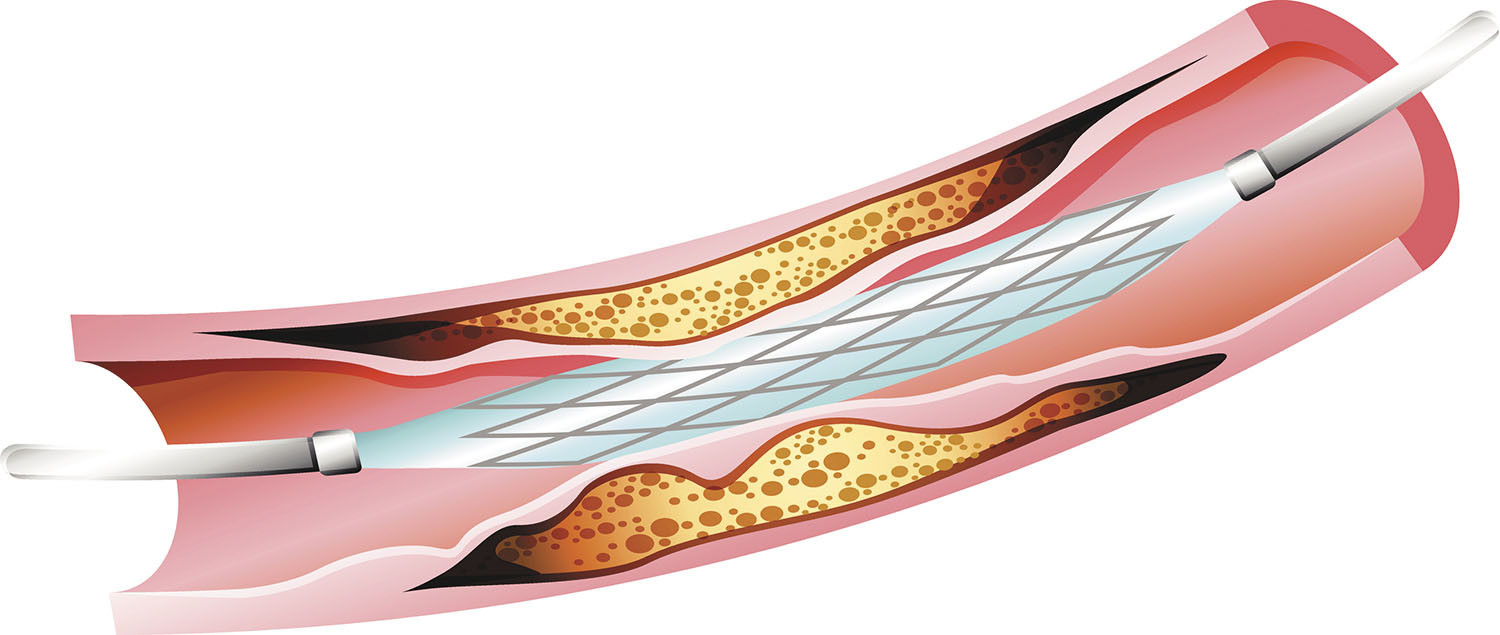
When do you need a heart stent?
A stent can save your life during a heart attack, but can it help prevent one?
Image: © jauhari1/Getty Images
An estimated two million people get coronary artery stents every year, and if you have coronary artery disease, there is a good chance your doctor will suggest you get one.
But do you really need it? In 2013, the American Medical Association issued a report that said stents were one of the most highly overused medical interventions.

Aspirin and your heart: Many questions, some answers
Taking an aspirin can protect you from heart attack, blood clots and more
First marketed by the Bayer Company in 1897, aspirin (acetylsalicylic acid) is one of our oldest modern medications — and its parent compound is much older still, since Hippocrates and the ancient Egyptians used willow bark, which contains salicylates, to treat fever and pain. Over the past 100 years, aspirin has made its way into nearly every medicine chest in America. Indeed, this old drug is still widely recommended to control fever, headaches, arthritis, and pain.
Although aspirin remains an excellent medication for fever and pain, other drugs can fill these roles equally well. But aspirin has a unique role that was not even suspected by its early advocates. In patients with coronary artery disease, aspirin prevents heart attacks.

Atrial fibrillation: Common, serious, treatable
Atrial fibrillation can be dangerous from a fast heart rate and a higher stroke risk
Is atrial fibrillation serious? People who are old enough to remember the sound of wind-up clocks often refer to their hearts as their "tickers." It's an affectionate term that pays tribute to the regular, rhythmic beat of the healthy heart. In fact, though, the healthy heart is much more sophisticated than the most precise Swiss timepiece.
Instead of maintaining a single, monotonous beat, the heart can speed up in response to exercise, strong emotions, and fever. Common chemicals can also jack up the heart rate; examples include caffeine, nicotine, and decongestants. And the healthy heart can also slow down when you rest, relax, or sleep.

Take nitroglycerin to ease-and avoid-a common heart disease symptom
Discovered more than 150 years ago, this drug comes in a variety of formulations. Does one make sense for you?
If your heart's arteries are choked with cholesterol-filled plaque, a sudden increase in the heart's demand for oxygen-rich blood from physical exertion or emotional stress can trigger the chest pain known as angina. But a tiny tablet of nitroglycerin often relieves the pain within minutes.
Nitroglycerin is underused
Nitroglycerin and related drugs, known as nitrates, widen the arteries that nourish the heart and reduce the heart's workload. Under-the-tongue (sublingual) nitro- glycerin tablets are perhaps the best-known version of this common medication. But nitrates come in a variety of different formulations (see "Nitrates for angina: Many choices").

Flavonoids: The secret to health benefits of drinking black and green tea?
Plant chemicals known as flavonoids may explain why tea drinkers seem less likely to have cardiovascular disease.
Black or green, hot or iced, tea is gaining in popularity. Many cities and shopping malls feature specialty tea shops, and bottled teas vie for space on store shelves. The tea market continues to grow year after year.
CoQ10: Should you take this popular supplement if you're on a statin?
Microplastics: A hidden health threat?
Oat vs. dairy milk: Nutrition, benefits, and downsides
What is tempeh? Benefits, nutrition, and how to use it
Healing after food poisoning
Children of centenarians may stay healthier and live longer too, study finds
Light exposure at night may raise risk for heart disease
A lumbar belt may help ease low back pain
Whole grains may improve several heart risk factors at once
Signs of pneumonia: Sometimes vague and unexpected
Free Healthbeat Signup
Get the latest in health news delivered to your inbox!
Sign Up
