

CoQ10: Should you take this popular supplement if you're on a statin?

Microplastics: A hidden health threat?

Oat vs. dairy milk: Nutrition, benefits, and downsides

What is tempeh? Benefits, nutrition, and how to use it

Healing after food poisoning

Children of centenarians may stay healthier and live longer too, study finds

Light exposure at night may raise risk for heart disease

A lumbar belt may help ease low back pain

Whole grains may improve several heart risk factors at once

Signs of pneumonia: Sometimes vague and unexpected
Blood Pressure Archive
Articles
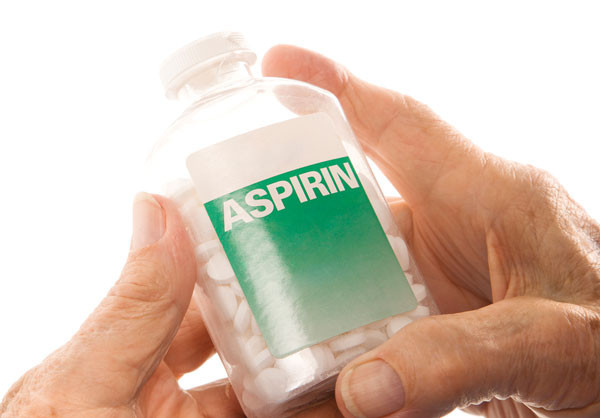
Does aspirin stop a heart attack?
Ask the doctor
Q. Should I take aspirin if I think I'm having a heart attack, and what kind of aspirin should I take?
A. First, what symptoms indicate you might be having a heart attack? The main symptom is a squeezing, tight sensation in the middle of the chest that can travel up into the jaw and shoulders, and even down the left arm. Along with the pain you may begin to sweat and to feel weak, like you might pass out, and be short of breath. While other conditions besides a heart at-tack can cause similar symptoms, you need to take such symptoms very seriously. First, call 911.

Stretching may improve blood vessel health
Research we're watching
Doing easy leg stretches may improve blood flow throughout the body by making the arteries more flexible and able to dilate, according to a small study in the July 1, 2020, Journal of Physiology.
The study included 39 young adults, 27 of whom did passive leg stretches five times a week for 12 weeks, while the other 12 did no stretching. (Passive stretching involves holding a stretch for a set period of time aided by an outside force, such as one's body weight or gravity). Volunteers held the thigh and calf stretches for 45 seconds, followed a 15-second rest. They repeated each set a total of five times.

Scientists create the first 3D miniature working heart model
Research we're watching
A team of scientists have created a tiny heart muscle "pump" using human cells and a three-dimensional bioprinter. The model heart — which was sized to fit inside a mouse's abdominal cavity — may one day prove useful for studying new heart medications and other therapies, they say.
The researchers first tried using heart muscle cells (cardiomyocytes) in the 3D printer, but the cells didn't grow to a sufficient size and volume. So they instead used so-called pluripotent stem cells, which have the ability to transform into different cell types. After printing a chambered structure, they were able to program the stem cells to become cardiomyocytes, which then began to organize and work together. Within about a month, the cells began beating together, similar to a human heart. The research is detailed in a study published July 3, 2020, in the journal Circulation Research.

Opioids after heart surgery: A cautionary tale
Research we're watching
A recent study found that nearly one in 10 people who received opioid pain relievers following heart surgery continued to take them for three to six months — a time point when no one should still be experiencing pain from the operation.
The study included nearly 36,000 people with private health insurance who had a coronary artery bypass graft (known as CABG or bypass surgery) or a heart valve replacement between 2003 and 2016. People who were prescribed more than 40 5-mg tablets of oxycodone (Oxycontin, Roxicodone, others) or an equivalent amount of a similar drug were at a much higher risk of prolonged opioid use than people who were prescribed lower doses. Other factors that increased a person's odds of taking opioids long-term included having CABG, being female, or having a history of chronic pain or alcoholism.

Fall prevention program comes up short
Research we're watching
A specialized fall prevention program managed by nurses wasn't able to significantly reduce the rate of serious falls among high-risk adults over age 70, according to a study published July 9, 2020, in The New England Journal of Medicine. The STRIDE program (the name stands for Strategies to Reduce Injuries and Develop Confidence in Elders) was tested by the Patient-Centered Outcomes Research Institute and National Institutes of Health as a means of reducing falls among high-risk seniors.
Falls are a leading cause of injury in people 65 and older, with some three million adults heading to the emergency room each year with a serious injury caused by a fall. Program staff worked with individuals at least 20 months to identify and modify such risk factors as problems with walking or balance, hazards in the home that made a fall more likely, a history of low blood pressure when standing, and low vitamin D levels.

The best way to measure your blood pressure at home
Get an approved blood pressure device and follow these steps.
Monitoring your blood pressure at home has always made good sense. Blood pressure is one of the main indicators of cardiovascular health, and taking measurements is an important way to manage chronic conditions between doctor visits.
Now, with a pandemic under way and fewer people visiting their doctors, the case for monitoring blood pressure at home has never been stronger. Home monitoring yields valuable information for you and your physician, who'll be counting on you to provide accurate blood pressure measurements when you talk on the phone or in a video chat.

Sex differences in heart disease: A closer look
Heart attack symptoms can differ between men and women, but not as much as you might think.
Thanks to national campaigns to boost awareness, more people now recognize that heart disease is the leading cause of death in women as well as in men. For both sexes, cardiovascular disease is to blame for one of every three deaths in the United States.
Throughout the country, someone has a heart attack — the most common manifestation of this prevalent disease — about every 40 seconds, on average. Maybe you've heard that women are more likely to have "atypical" heart attack symptoms than men. But what does that really mean? A review article in the May 2020 Journal of the American Heart Association offers some perspective.

Taking statins later in life still offers heart benefits
In the journals
Age may not be a factor when it comes to who can benefit from statins. A study published online July 7, 2020, by JAMA found that people who started taking the cholesterol-lowering medication in their mid-70s or later had fewer heart-related problems and lived longer than non-users.
Researchers looked at 326,981 mostly male veterans, ages 75 and older, who were free of cardiovascular disease and did not take statins. Over the next 10 years, more than 57,000 began statin therapy.

Hot baths and saunas: Beneficial for your heart?
People who take frequent saunas or hot baths may lower their risk of heart problems. But be cautious if you have low blood pressure.
Soaking in a bathtub or basking in a sauna can be a pleasant way to relax. Done on a regular basis, both habits may also help prevent heart attacks and strokes, according to several studies.
"The high temperatures in a warm tub or sauna cause your blood vessels to dilate, which lowers blood pressure," says Dr. Adolph Hutter, professor of medicine at Harvard Medical School. The volume of blood your heart pumps will also rise, especially in a hot tub. That's a result of the pressure of the water on the body, which increases the heart's workload, he explains.

Telemedicine: A good fit for cardiovascular care?
For monitoring conditions that contribute to heart attack and stroke, virtual doctor visits are much more convenient than in-person appointments. Where is this trend headed?
Virtual doctor visits — when you talk to a physician on a video call instead of during an in-person office exam — have been available in certain places for years. But they never really caught on until the pandemic hit earlier this year. Almost overnight, virtual care became an indispensable tool for managing coronavirus infections and other health conditions during the crisis.
In 2019, virtual visits accounted for fewer than 1% of the appointments at Mass General Brigham, a large health care system founded by Harvard-affiliated Brigham and Women's Hospital and Massachusetts General Hospital (MGH). "But during the peak of the coronavirus surge in Boston, 80% of all visits were done virtually," says Dr. Lee Schwamm, director of the Center for TeleHealth at MGH and vice president of virtual care at Mass General Brigham.
CoQ10: Should you take this popular supplement if you're on a statin?
Microplastics: A hidden health threat?
Oat vs. dairy milk: Nutrition, benefits, and downsides
What is tempeh? Benefits, nutrition, and how to use it
Healing after food poisoning
Children of centenarians may stay healthier and live longer too, study finds
Light exposure at night may raise risk for heart disease
A lumbar belt may help ease low back pain
Whole grains may improve several heart risk factors at once
Signs of pneumonia: Sometimes vague and unexpected
Free Healthbeat Signup
Get the latest in health news delivered to your inbox!
Sign Up
