

Whole grains may improve several heart risk factors at once

Light exposure at night may raise risk for heart disease

Children of centenarians may stay healthier and live longer too, study finds

A lumbar belt may help ease low back pain

Signs of pneumonia: Sometimes vague and unexpected

The surprising link between ovarian cancer and the fallopian tubes

Using a vibration plate: What it can — and can't — do for your body

People who walk more or walk faster live longer, study finds

Rosacea treatments: What works?

For sleep apnea, a dental device may be as effective as CPAP
Bacterial infections Archive
Articles

Salmonella, E. coli, Cyclospora, and other germs that cause food poisoning: What you need to know
Bacteria, parasites, and viruses can all cause food poisoning. Proper handling, cooking, and storage of food help reduce the chances of an infection. If you get food poisoning, it usually can be treated at home by replenishing lost fluids and electrolytes.

Could Graves' disease raise the risk of other autoimmune conditions?
Graves’ disease affects the thyroid, but its broader impact may involve other parts of the body. Find out which conditions doctors monitor.

Could sarcoidosis affect platelet levels?
A sarcoidosis diagnosis followed by ITP can raise concerns about a possible connection. Discover what may link these conditions and what remains uncertain.
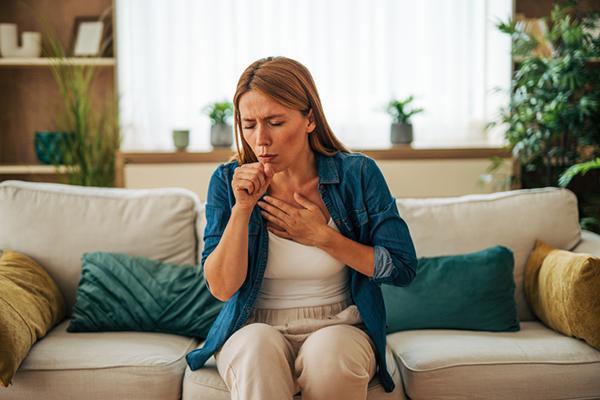
Does a lingering cough mean I still have an infection?
A cough that lingers for weeks after a cold can be confusing. Learn why it can persist, what else might be going on, and when to see your doctor.
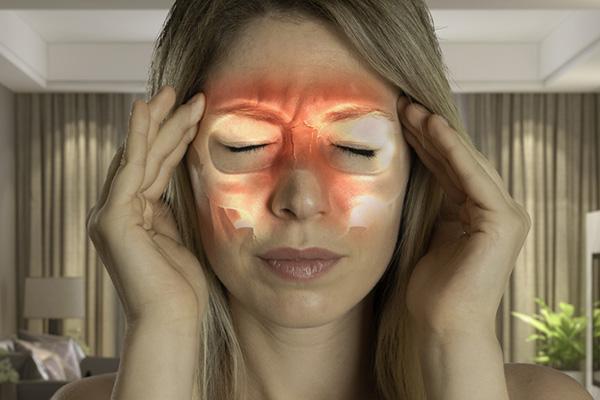
What signs point to a bacterial sinus infection?
Sinus symptoms can have several causes, and certain patterns may help distinguish a routine cold from a problem needing medical attention.


Common celiac disease symptoms
Celiac disease affects everyone differently. While some people develop digestive symptoms, such as bloating and diarrhea, many adults also experience non-digestive symptoms, such as anemia or osteoporosis. Others have no noticeable symptoms despite intestinal damage.

How much activity is safe with mononucleosis?
Mononucleosis can affect more than energy levels. Activity choices matter during illness, especially when the spleen may be enlarged.
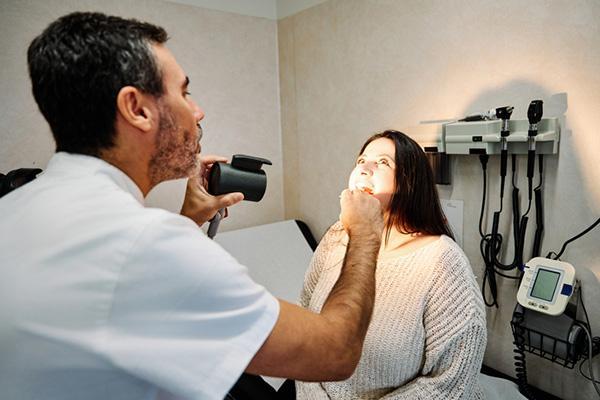
Is scarlet fever a one-time illness?
Scarlet fever can bring a telltale rash, fever, and sore throat. Explore how it spreads, how it’s treated, and what recovery may involve.

What does a slightly high lymphocyte percentage mean on my bloodwork??
Learn what an unexpected shift in white blood cells may mean and when it deserves a closer look with your doctor.
Whole grains may improve several heart risk factors at once
Light exposure at night may raise risk for heart disease
Children of centenarians may stay healthier and live longer too, study finds
A lumbar belt may help ease low back pain
Signs of pneumonia: Sometimes vague and unexpected
The surprising link between ovarian cancer and the fallopian tubes
Using a vibration plate: What it can — and can't — do for your body
People who walk more or walk faster live longer, study finds
Rosacea treatments: What works?
For sleep apnea, a dental device may be as effective as CPAP
Free Healthbeat Signup
Get the latest in health news delivered to your inbox!
Sign Up
