What signs point to a bacterial sinus infection?
Ask the doctor
Q. How do you know if you have a bacterial sinus infection?
A. Sinusitis is an inflammation of one or more sinuses, most often caused by a viral or bacterial infection. All of us have millions of bacteria in our noses, and many of us have one or more of the germs that cause bacterial sinusitis. These bacteria are harmless in the nose, and they don't even cause trouble when a few creep up into the sinuses — as long as they drain back into the nose. But if drainage is blocked, the bacteria multiply and cause infection. Blockage is the main reason we get sinusitis. Good drainage is the key to treatment.
The common cold is the leading culprit. Viruses, not bacteria, cause colds, so antibiotics are a useless treatment. But viruses produce swelling of the nasal tissues, which can block the sinuses. Colds also change the mucus, preventing it from doing its normal job of trapping bacteria.
You may get some sinus pressure when you get a cold, but that doesn't mean you have sinusitis or that you need an antibiotic. Only about one cold in 100 leads to sinusitis. You can make the odds work for you by doing what it takes to keep your sinuses draining. Remember to blow your nose gently without pinching it tightly, so you won't force bacteria up into your sinuses.
Many other things can block sinuses and lead to infection. The list includes allergies, cigarette smoke and other irritating fumes, changes in barometric pressure when flying or scuba diving, nasal polyps, and a deviated nasal septum.
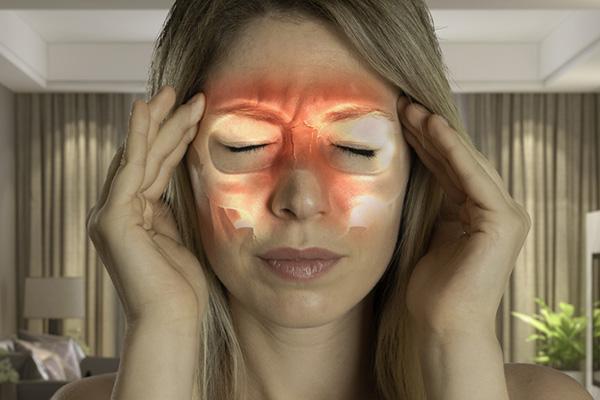
Painful pressure is the main symptom of sinusitis. Depending on which sinus is involved, the pain is in the forehead, over the cheek or in the upper jaw and teeth, behind the eyes, or at the top of the head. Sinus pain increases when you bend forward.
Nasal congestion and a thick, dark-colored nasal discharge are also common. When the mucus drips into your throat from the back of your nose, you'll notice a foul taste and you may get bad breath or a cough. You may temporarily lose your sense of smell or taste. Finally, you may feel feverish, achy, and tired.
Image: © sefa ozel/Getty Images
About the Author

Howard E. LeWine, MD, Chief Medical Editor, Harvard Health Publishing; Editorial Advisory Board Member, Harvard Health Publishing
Disclaimer:
As a service to our readers, Harvard Health Publishing provides access to our library of archived content. Please note the date of last review or update on all articles.
No content on this site, regardless of date, should ever be used as a substitute for direct medical advice from your doctor or other qualified clinician.