

CoQ10: Should you take this popular supplement if you're on a statin?

Oat vs. dairy milk: Nutrition, benefits, and downsides

Microplastics: A hidden health threat?

Healing after food poisoning

What is tempeh? Benefits, nutrition, and how to use it

Light exposure at night may raise risk for heart disease

Whole grains may improve several heart risk factors at once

A lumbar belt may help ease low back pain

Children of centenarians may stay healthier and live longer too, study finds

Signs of pneumonia: Sometimes vague and unexpected
Alzheimer's Disease Archive
Articles

What to do when a diagnosis is elusive
Medically unexplained symptoms, which are not easily deciphered account for many visits to primary care doctors and specialists. Individuals seeking answers should work with closely with their primary care doctors. Strategies such as cognitive behavioral therapy can help people manage stressors that affect physical health.

You don't say? The scoop on ice cream headaches
A cold-stimulus headaches, or "brain freeze," happens after a person eats or drinks something very cold. It causes a sharp pain that centers on the forehead and usually lasts several seconds. Taking smaller bites and chewing slowly can ward off this reaction.

Apps to accelerometers: Can technology improve mental health in older adults?
The adoption of technology has grown rapidly among older adults, and with it have come potential benefits to mental health, daily functioning, and quality of life. Those who want to help an older person in their life might suggest one of the many options available.

Did my partner get her bladder infection from me?
Men do not have to worry about getting bladder infections from their female partners. Women can get urinary tract infections after sex, but this is a result of irritation at the opening of the urethra, which makes it easier for bacteria to enter.

Tracking viruses: The best clues may be in the sewer
It's hard to accurately predict when new viral outbreaks will appear or old viruses will reappear and how to figure this out quickly enough to respond quickly. Wastewater testing, a tool that can help predict upticks in COVID cases, has also captured evidence of infectious diseases like polio, allowing preventive measures to be taken.

Tapering off antidepressants sensibly
People taking antidepressants may have many reasons for wanting to discontinue the drug. They may feel they no longer need the medication or decide they cannot tolerate side effects. A doctor should guide the process of tapering off antidepressants. The chance of depression recurrence is higher for people who take antidepressants long-term and stop abruptly. Withdrawal symptoms can make the tapering process uncomfortable, but it's generally not dangerous.

When is a sleep study needed?
Most people with obstructive sleep apnea don't know they have it. An at-home or in-lab sleep study can reveal the condition, which hinders breathing while asleep. A doctor can determine which type of test is best for each patient.

Doing multiple types of activities improves cognitive health
Studies have shown that doing any one of certain activities, such as staying physically active and maintaining social ties, helps maintain brain health in older adults. A new study suggests that participating in multiple kinds of these activities, several times a week, may help even more.
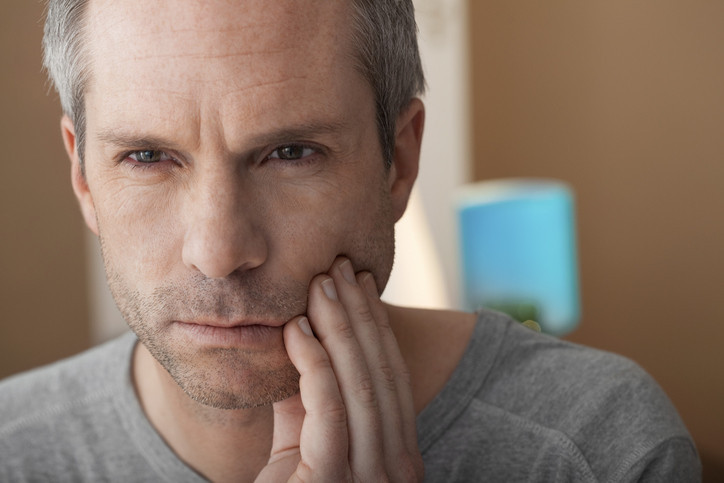
How can I stop grinding my teeth when I'm asleep?
Teeth-grinding during sleep is common. People with the habit may wake up with sore teeth, headache, or earache. Over time, it can lead to broken teeth or jaw pain and clicking. A dentist can create a fitted mouth guard or prescribe muscle relaxants.

Improving vision may help prevent dementia
A recent analysis found a link between vision loss and higher risk of dementia. The results suggest improving visual acuity, such as with eyeglasses or cataract removal, might help maintain cognitive fitness in older adults.
CoQ10: Should you take this popular supplement if you're on a statin?
Oat vs. dairy milk: Nutrition, benefits, and downsides
Microplastics: A hidden health threat?
Healing after food poisoning
What is tempeh? Benefits, nutrition, and how to use it
Light exposure at night may raise risk for heart disease
Whole grains may improve several heart risk factors at once
A lumbar belt may help ease low back pain
Children of centenarians may stay healthier and live longer too, study finds
Signs of pneumonia: Sometimes vague and unexpected
Free Healthbeat Signup
Get the latest in health news delivered to your inbox!
Sign Up
