










4 types of medication that may increase your chance of falling
Growing use of certain prescription drugs may be driving a dramatic rise in deadly falls.
- Reviewed by Sarah Berry, MD, MPH, Contributor
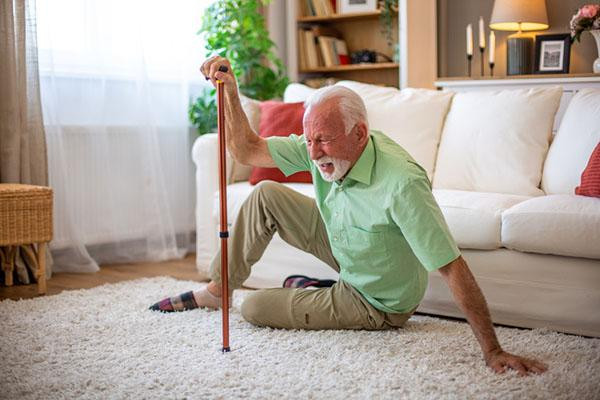
Among people over 65, falls are a leading cause of unintentional injuries. Even more concerning: deaths from falls have more than tripled over the past 30 years in the United States. Too often, a broken hip or serious head injury from a fall triggers a downward health spiral. The soaring use of prescription drugs that affect the brain may be to blame for this lethal trend, according to an opinion piece in the Aug. 1, 2025, issue of JAMA Health Forum.
Many medications can make people feel drowsy or impair their balance or coordination. Known as fall risk–increasing drugs (FRIDs), they include a wide range of medications. But the most worrisome are four classes that have been heavily prescribed to older adults in recent decades: opioids, benzodiazepines, gabapentinoids, and antidepressants.
"Despite recent efforts to reduce the use of these drugs in older people, it's still a serious problem," says Dr. Sarah Berry, chief of gerontology at Harvard-affiliated Beth Israel Deaconess Medical Center. Unfortunately, when doctors stop prescribing one class of medications, they may substitute newer medications that aren't necessarily any safer in terms of fall risks, she adds.
Drugs for pain and anxiety
For example, doctors have begun prescribing fewer opioids due to the serious risks of addiction and overdose from these powerful pain relievers. Examples include oxycodone (Oxycontin) and hydromorphone (Dilaudid). That's fueled a rise in prescriptions for gabapentinoids, which include gabapentin (Neurontin, Horizant, Gralise) and pregabalin (Lyrica). Originally developed to treat seizure disorders, these drugs are now commonly prescribed off-label for chronic pain. But gabapentinoids probably pose just as much fall risk as opioids, says Dr. Berry.
For treating anxiety and sleep problems, the American Geriatric Society (AGS) recommends antidepressants instead of benzodiazepines. The latter, which include diazepam (Valium) and alprazolam (Xanax), can lead to cognitive impairment and other serious risks as well as falls. But all antidepressants - including those recommended by the AGS, citalopram (Celexa) and sertraline (Zoloft) - can also leave older people more prone to falls, says Dr. Berry.
How might medications cause falls?
The four highlighted drug classes affect brain function and can make you feel sleepy, dizzy, or confused - all of which can leave you vulnerable to falling. "But we don't actually understand the mechanism for a lot of medication side effects, and their links to falls are probably the result of multiple factors," says Dr. Berry. For example, gabapentin makes people sleepy, but it can also cause edema (swelling) in the legs that can impair mobility. If both of those side effects occur in someone with arthritis and a mild visual impairment, that combination of factors could literally tip them over, she explains.
The scope of the problem
The JAMA Health Forum piece presents statistics that highlight the problem of risky prescribing:
- 32% of adults older than 65 took prescription pain relievers (most of which were opioids) and 17% took tranquilizers or sedatives (most of which were benzodiazepines) at some point during 2022.
- Prescriptions for gabapentin and combinations of gabapentin and opioids increased about fourfold between 2006 and 2018.
- The percentage of people over 65 taking antidepressants rose from 8% to 20% from 1999 to 2020.
What you can do
If you're currently taking a medication from any of these classes, don't stop taking it abruptly, as doing so may cause withdrawal symptoms. Talk to your doctor for advice about possibly tapering off the medication. Have your primary care clinician review all of your medicines (including prescription and nonprescription medications) as well as all supplements at least once a year. Make sure you understand why you take each drug and whether you still need it. If you're taking a FRID, ask if a less risky alternative might be an option for you.
For people coping with chronic pain, the latest guidelines on opioids recommend a range of other options. "There's no magic bullet for chronic pain. Often, the best option is to use multiple strategies together," says Dr. Berry. For example, you might take a low dose of acetaminophen (Tylenol) with a topical treatment like a lidocaine patch or diclofenac gel (Voltaren).
For people who take benzodiazepines, nondrug alternatives for anxiety include therapy and relaxation techniques. For those who struggle with sleep, these sleep hygiene tips can help.
Image: © draganab/Getty Images
About the Author

Julie Corliss, Executive Editor, Harvard Heart Letter
About the Reviewer

Sarah Berry, MD, MPH, Contributor
Disclaimer:
As a service to our readers, Harvard Health Publishing provides access to our library of archived content. Please note the date of last review or update on all articles.
No content on this site, regardless of date, should ever be used as a substitute for direct medical advice from your doctor or other qualified clinician.


