










Can insufficient protein intake cause hair loss?
Ask the doctor
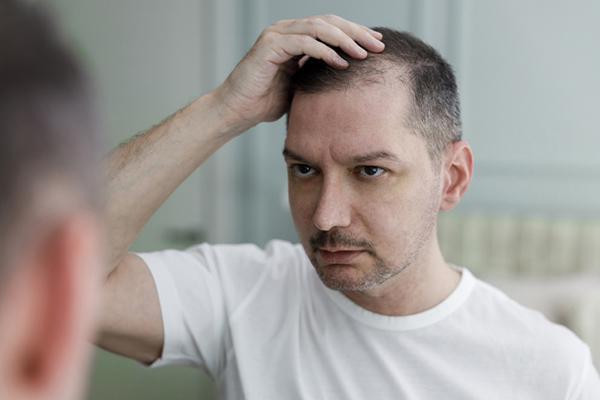
Q. Is it true that hair loss is common if you don't eat a lot of protein?
A. For most people with hair loss, inadequate protein is not to blame.
It's true that severe protein malnutrition may cause hair loss. But people with adequate access to food, a normal appetite, and normal digestion should not lose hair due to low protein intake. In fact, it's more important that you get "enough" protein, not that you eat "a lot" of protein.
The average, healthy adult should choose a diet that includes about 0.36 grams of protein per pound of body weight each day. This comes to 50 to 60 grams of protein daily for the average adult; more may be needed by people who are larger, more active, over age 65, or pregnant.
The most common causes of hair loss are unrelated to protein intake. These include:
- male pattern baldness (a combination of genetics and hormonal influences cause hair follicles to shrink, producing less and less hair over time)
- injury to the hair, including heat and chemical exposures at the beauty parlor
- medications (a long list of drugs can cause hair loss)
- stress over a major illness
- thyroid disease
- pregnancy (during pregnancy hair grows thicker, and after delivery hair loss is common).
Rare causes of hair loss include liver failure, kidney failure, and skin diseases (such as alopecia areata or lupus).
For people with protein malnutrition, there are much bigger health concerns than hair loss, such as poor immune function, poor wound healing, lack of energy, and muscle weakness.
Common causes of protein malnutrition include inadequate access to food, abnormal absorption of nutrients by the digestive tract (as may occur with colitis, infections, or other intestinal diseases), HIV, cystic fibrosis, unusual diets, and anorexia nervosa.
Other risk factors for protein malnutrition include:
- poor appetite
- needing help to eat (as with an elderly person with dementia)
- swallowing problems
- taking multiple medications
- depression
- high nutrient requirements (as with children)
- repeated flares of illness requiring hospital stays
- alcoholism.
It is rare to develop protein malnutrition in the absence of risk factors as long as you have access to a balanced diet.
So, adding protein to your diet is unlikely to slow or prevent hair loss in the absence of protein malnutrition. Talk to your doctor about any concerns you have about your protein intake and hair loss. Simple blood tests can provide useful information about your protein status. Even if your protein levels are normal, your doctor may be able to identify another readily treatable, reversible cause of hair loss.
Image: © eternalcreative/Getty Images
About the Author

Robert H. Shmerling, MD, Senior Faculty Editor, Harvard Health Publishing; Editorial Advisory Board Member, Harvard Health Publishing
Disclaimer:
As a service to our readers, Harvard Health Publishing provides access to our library of archived content. Please note the date of last review or update on all articles.
No content on this site, regardless of date, should ever be used as a substitute for direct medical advice from your doctor or other qualified clinician.


