










The salts of the earth
Himalayan, kosher, sea salt, or gray: Are any of these salts healthier than table salt?
- Reviewed by Nancy Oliveira, MS, RD, LDN, CDCES, Contributor; Editorial Advisory Board Member, Harvard Health Publishing
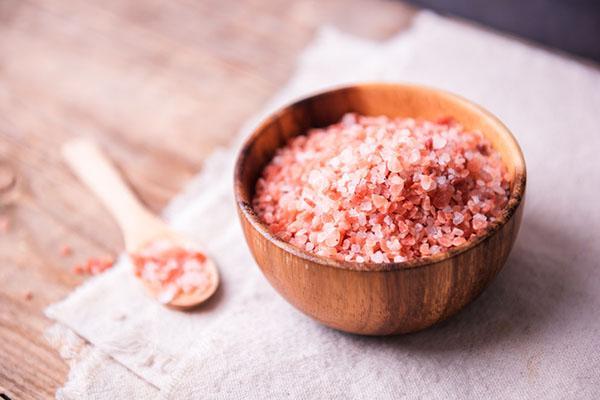
You can find a salt shaker filled with the fine white grains of iodized table salt in just about every kitchen in America. But in the past two decades, a variety of other salts have found their way into our cooking, from the coarse grains of kosher salt used in brines and dry rubs, to the lacy-edged flakes of fleur de sel garnishing fancy desserts, to beautiful, rosy-hued chunks of Himalayan pink salt displayed in salt grinders.
"If you're a foodie, these culinary salts can be a really fun alternative to regular table salt," says Nancy Oliveira, a registered dietitian and manager of the Nutrition and Wellness Service at Harvard-affiliated Brigham and Women's Hospital. "All of the different colors and varieties add visual and textural appeal to what you're eating, particularly when they're used as a garnish."
Alternative salts may bring different qualities to your food, and because some of them - like pink Himalayan salt - include minerals left behind during processing, they've achieved a "health halo" compared with "regular" table salt. But are they actually healthier than what's in your saltshaker?
Where does salt come from?
Salt is produced in a variety of ways, from the kind of large-scale solution-mining methods used to produce table salt, to the hand-harvesting of small batches of salt crystals from sunny salt marshes in southern France.
Different types of salt take on certain flavor profiles according to their location and the harvesting method used.
For example, Himalayan pink salt is mined from salt deposits in Pakistan, where trace minerals give it a rosy blush. Sel gris, or gray salt, is a bold, mineral-flavored salt that gets its color and taste from clay-bottomed salt pans off which it is harvested. Like fleur de sel, gray salt is produced from evaporated seawater, but its harvesting method sets its strong flavor profile apart from the bright crunch associated with other types of flaky sea salt.
A look at different salts
Here's a guide to some of the salt options you might encounter on store shelves or in restaurant dishes.
Table salt. An all-around cooking salt, table salt is cheap and common, and it dissolves quickly in food or liquids. Iodine is added to table salt to help protect against iodine deficiencies, and it often contains chemicals for stability and to prevent it from clumping in humid weather.
Common sea salt. Produced by evaporating seawater, the most common types of sea salts (like kosher salt) are available in a variety of sizes and textures. Sea salt has a clean, bright flavor and dissolves quickly. It's minimally processed (compared to table salt) and has trace amounts of minerals, including potassium, iron, calcium, and magnesium - though not in large enough quantities to replace those minerals found in whole foods.
And take note: while sea salt and table salt contain the same amount of sodium by weight, they can differ (sometimes drastically) when measuring by volume.
Fleur de sel, sel gris (gray salt), and flaky sea salt. While these "fancy" sea salts are likewise derived from seawater, they're typically produced in smaller, hand-harvested batches. Crispy (and pricey) fleur de sel is often used to garnish desserts, while earthy gray salt has a bold mineral flavor that pairs nicely with savory dishes. Flaky sea salt has a clean, bright profile that contributes flavor with a pleasantly thin, wafer-like crunch.
Himalayan pink salt. Mined mainly from the Khewra Salt Mine in Pakistan, Himalayan pink salt gets its rosy hue from trace minerals, which give it a distinctive flavor and a reputation for being healthier than table salt. Those trace minerals have prompted an interest in sole water, a tonic made from steeping Himalayan pink salt and water that proponents claim improves sleep, increases energy levels, lowers blood pressure, and prompts a whole-body "detox." However, there's no research to prove any of these claimed benefits.
And while Himalayan pink salt is undeniably pretty, a 2020 study found that you'd have to consume six times the recommended daily allowance of sodium to get any meaningful benefit from the minerals it provides. Since Americans already consume far more sodium than is recommended by the Dietary Guidelines for Americans, it seems wise to look to whole foods for actual benefits.
Are alternative salts healthier for you than table salt?
Bottom line? No. While alternative salts can lend a delightful crunch or flavor to foods, they - like table salt - consist largely of sodium chloride. Your body needs a small amount of sodium to function, but most of us take in far more than what's required. And consuming too much sodium is tied directly to increased cardiovascular risks and damage to the kidneys and brain.
The American Heart Association recommends a daily sodium intake of no more than 2,300 milligrams (mg), and an ideal target of less than 1,500 mg (especially if you have high blood pressure or heart disease).
What you can do
Check product labels when shopping and eating out, and keep an eye on your intake of packaged, prepared, and restaurant foods. Even a small reduction in sodium can help lower your blood pressure and improve your overall health. And remember: Cutting back on salt doesn't have to mean eliminating flavor from your diet entirely. In some cases, alternative salts may even have an important place in a low-sodium diet.
"One thing I do like about some of these fancy salts is they're considered to be 'finishing salts,' where they're not used in the cooking but are added to the final dish," Oliveira says. "There's a visual and textural appeal to them that allows you to treat them more like a garnish or a condiment, where a small pinch adds flavor and satisfies your taste buds without you needing to go overboard with the salt shaker."
Image: © Huizeng Hu/Getty Images
About the Author

Lindsay Warner, Content Licensing Editor, Harvard Health Publishing
About the Reviewer

Nancy Oliveira, MS, RD, LDN, CDCES, Contributor; Editorial Advisory Board Member, Harvard Health Publishing
Disclaimer:
As a service to our readers, Harvard Health Publishing provides access to our library of archived content. Please note the date of last review or update on all articles.
No content on this site, regardless of date, should ever be used as a substitute for direct medical advice from your doctor or other qualified clinician.


