Is pneumonia contagious?
Ask the doctor
Q. Is pneumonia contagious?
A. Pneumonia means inflammation in the tiny air sacs (called alveoli) that fill the lung. It is in the alveoli that oxygen from the air passes into our body, and that body waste material (the gas called carbon dioxide) passes out and into the air. So when the alveoli get inflamed and can't perform those two vital functions well, people can get pretty sick.
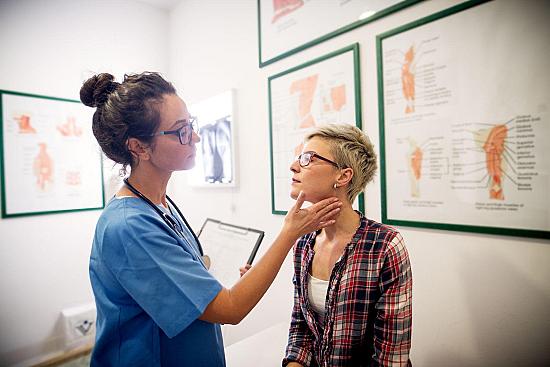
Doctors can suspect someone has pneumonia based on the person’s symptoms and the sounds the doctor hears through the stethoscope when listening to the lungs. Most often a chest x-ray is done to confirm the diagnosis. While abnormal x-ray changes in the lungs more often represent an infection, there can be non-infectious inflammatory changes that look like pneumonia.
Many kinds of infectious pneumonia are caused by germs of different types, such as bacteria, viruses, and fungi. Many, but not all, of these germs are contagious.
Some of the germs that cause pneumonia, like the viruses that cause influenza (the flu), COVID-19, and respiratory syncytial virus (RSV) are highly contagious. Other germs are harder to catch from another sick person, but easier to catch in other ways. For example, Legionnaire's disease is a pneumonia caused by a bacterium that sometimes contaminates air conditioning systems or water heating systems.
Here are some tips to protect yourself against getting, or giving, pneumonia:
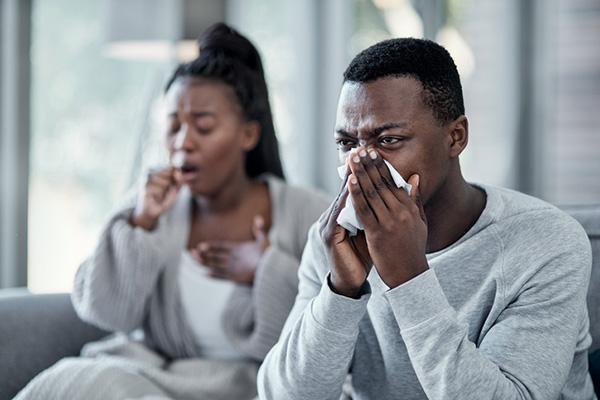
If you are sneezing or coughing, cover your nose and mouth with a tissue and then throw it away. Don't leave it around for others to pick up. If you don't have a tissue, don't sneeze or cough into your hand; use your upper sleeve. Afterward, wash your hands thoroughly with soapy, warm water for about 20 seconds. If water is not available, use an alcohol-based hand gel.
Don't be a strap hanger. On public transportation, loop your arm around a pole or strap rather than holding it with your hand. The same goes for holding the moving side rails on an escalator.
Stay home when you're sick. This simple step can make a big difference in reducing the number of people exposed. If you do go to work or school or come in contact with people, use good hygiene practices. Excuse yourself from shaking hands or kissing others in greeting. A simple, "Sorry, I've got a bug," will get you off the hook.
If people around you are sneezing or coughing, try to avoid getting too close to them, or shaking hands with them (or kissing them).
Wear a mask, not only when you have a respiratory infection to help prevent spread, but also when you are well and potentially exposed to others who are sick.
Stay up to date with your vaccination schedule, including vaccines against seasonal flu, COVID-19, RSV, and pneumococcal bacterial pneumonia.
Image: © PeopleImages/Getty Images
About the Author

Howard E. LeWine, MD, Chief Medical Editor, Harvard Health Publishing; Editorial Advisory Board Member, Harvard Health Publishing
Disclaimer:
As a service to our readers, Harvard Health Publishing provides access to our library of archived content. Please note the date of last review or update on all articles.
No content on this site, regardless of date, should ever be used as a substitute for direct medical advice from your doctor or other qualified clinician.