
Sacroiliac joint pain: Causes, symptoms, and exercises that help

What causes knee pain: How doctors make a diagnosis

Study: At-home colorectal cancer screening may significantly cut colon cancer deaths

Where you carry excess weight matters in predicting heart disease risk

Tai chi walking: What is it and does it work?

Fatty liver disease: Should you be tested?

Weight-loss drug may lower risk of heart attacks and infections

Testosterone therapy without evidence of deficiency may boost heart risk

Even a little exercise linked with lower stroke risk in people with afib

FDA approves first mRNA-based flu vaccine
Weight loss and management Archive
Articles

Warning labels using images may steer consumers away from sugary drinks
Research we're watching
Image: © weiXx/Getty Images
Pictures may be more effective than words in helping consumers make healthier choices. A new study, published online June 18 by Psychological Science, found that using warning labels that included photos to outline the health risks of sugary drinks appeared to be more effective than written warnings in encouraging people to choose healthier drinks.
Researchers tested two different types of warnings for sugary beverages: warnings with photos and text, and text-only warnings. The warnings were placed near bottled and fountain drinks in a cafeteria at a Massachusetts hospital at different times. During the study period, there were more than 20,000 drinks sold.

Ask the doctor: Coconut oil and health
ARCHIVED CONTENT: As a service to our readers, Harvard Health Publishing provides access to our library of archived content. Please note the date each article was posted or last reviewed. No content on this site, regardless of date, should ever be used as a substitute for direct medical advice from your doctor or other qualified clinician.
Q. I have started noticing more coconut oil at the grocery store and have heard it is better for you than a lot of other oils. Is that true?



Harvard researchers say healthy habits may add years to your life
News briefs
Image: © filadendron/Getty Images
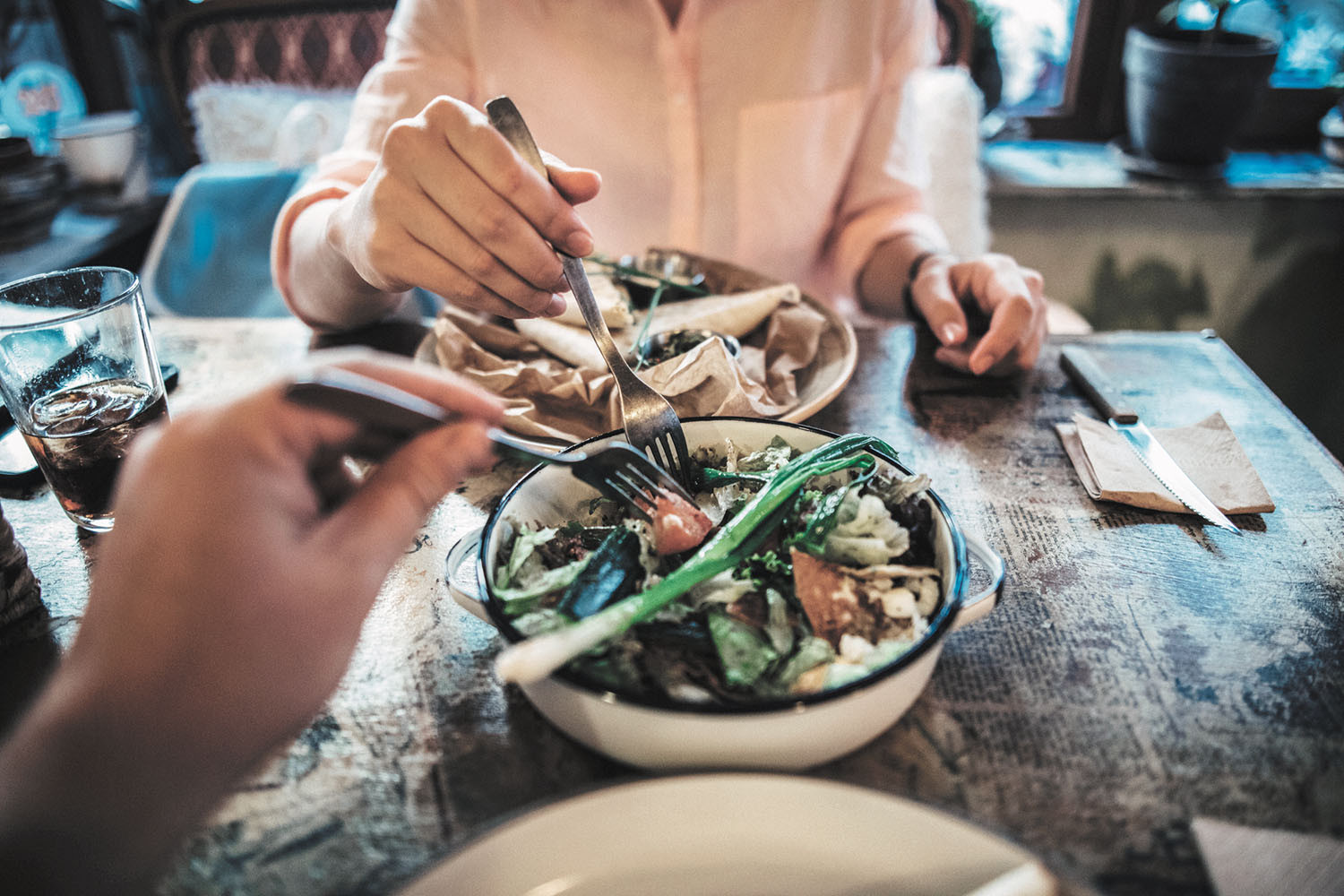
What's the secret to living longer? A Harvard study published online April 30, 2018, by Circulation suggests that it may come down to five healthy habits: eating a healthy diet, exercising daily, keeping a healthy body weight, drinking alcohol only in moderation, and not smoking. Researchers combed through information from two large studies that tracked more than 123,000 men and women for about three decades. Scientists estimated that life expectancy for study participants (at age 50) was 79 for women and 75 for men, if they didn't maintain healthy habits. But if they adopted all five habits, life expectancy at age 50 jumped to 93 for women and 87 for men. And following even one healthy habit was associated with a lower risk for dying young. The study is only observational and doesn't prove that healthy habits extend your life. But the findings build on similar research. "It's never too late to make positive lifestyle changes. Even for those who are 70 or older, following a healthy lifestyle such as eating a healthy diet and being physically active can add more years to life," says Dr. Frank Hu, senior author of the study and chair of the Department of Nutrition at the Harvard T.H. Chan School of Public Health.
Simple swaps to eat less salt
Learn the most common sources of sodium in your diet and some easy substitutions you can make.
Image: © yosmanor/Getty Images
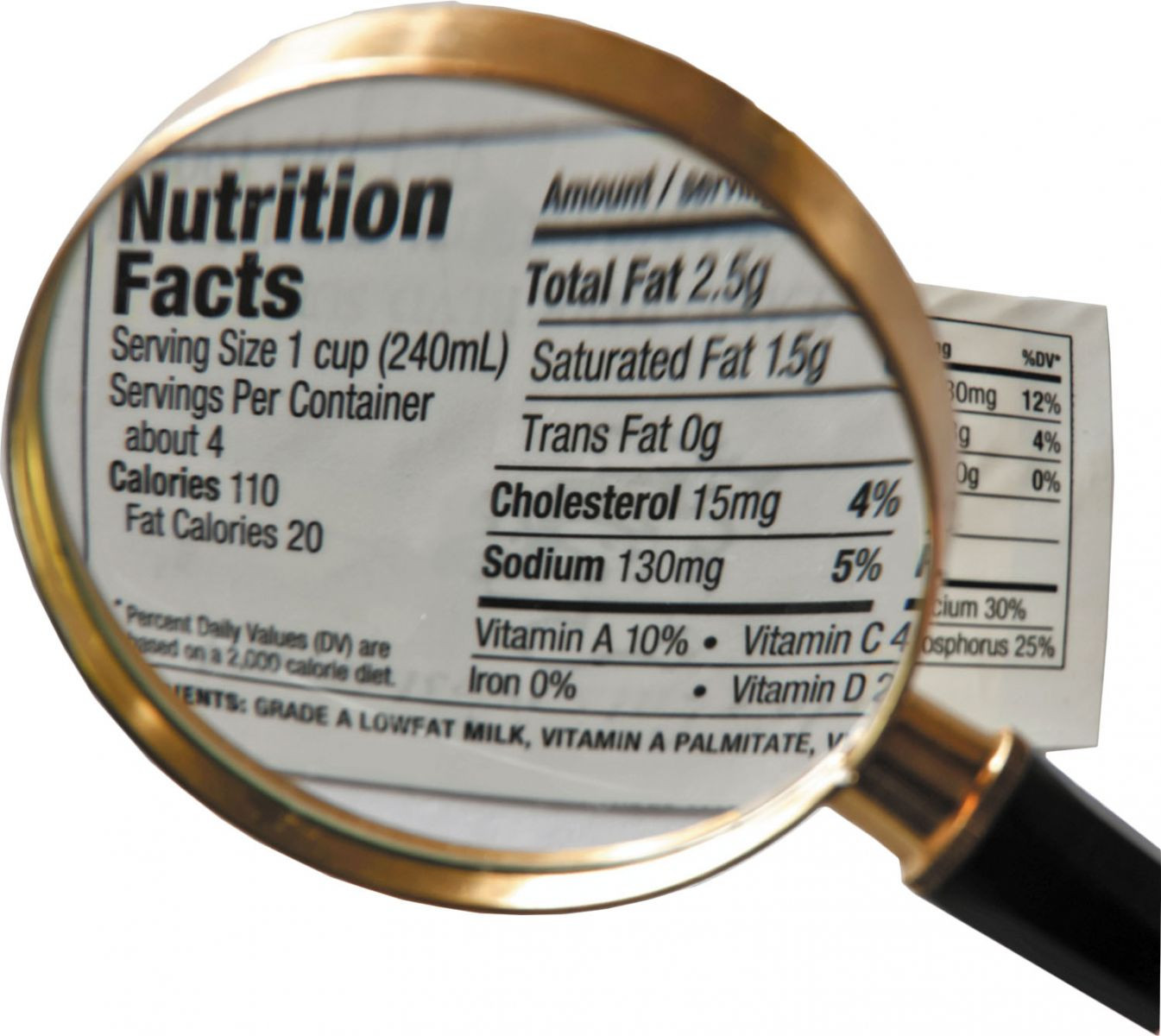
If you think steering clear of potato chips, pretzels, and other savory snacks is the best way to trim salt from your diet, think again. Yes, those foods are salty — but they only rank no. 7 on the top 10 sources of sodium (a major component of salt) in the average American's diet.
The category of bread and rolls tops the list, which is based both on sodium content and how often people eat the foods. Bread is not especially salty, but we eat a lot of it, as well as similar foods such as hamburger and hot dog buns, bagels, and English muffins.
Vegetable of the month: Tomatoes
Image: © Singkham/Getty Images
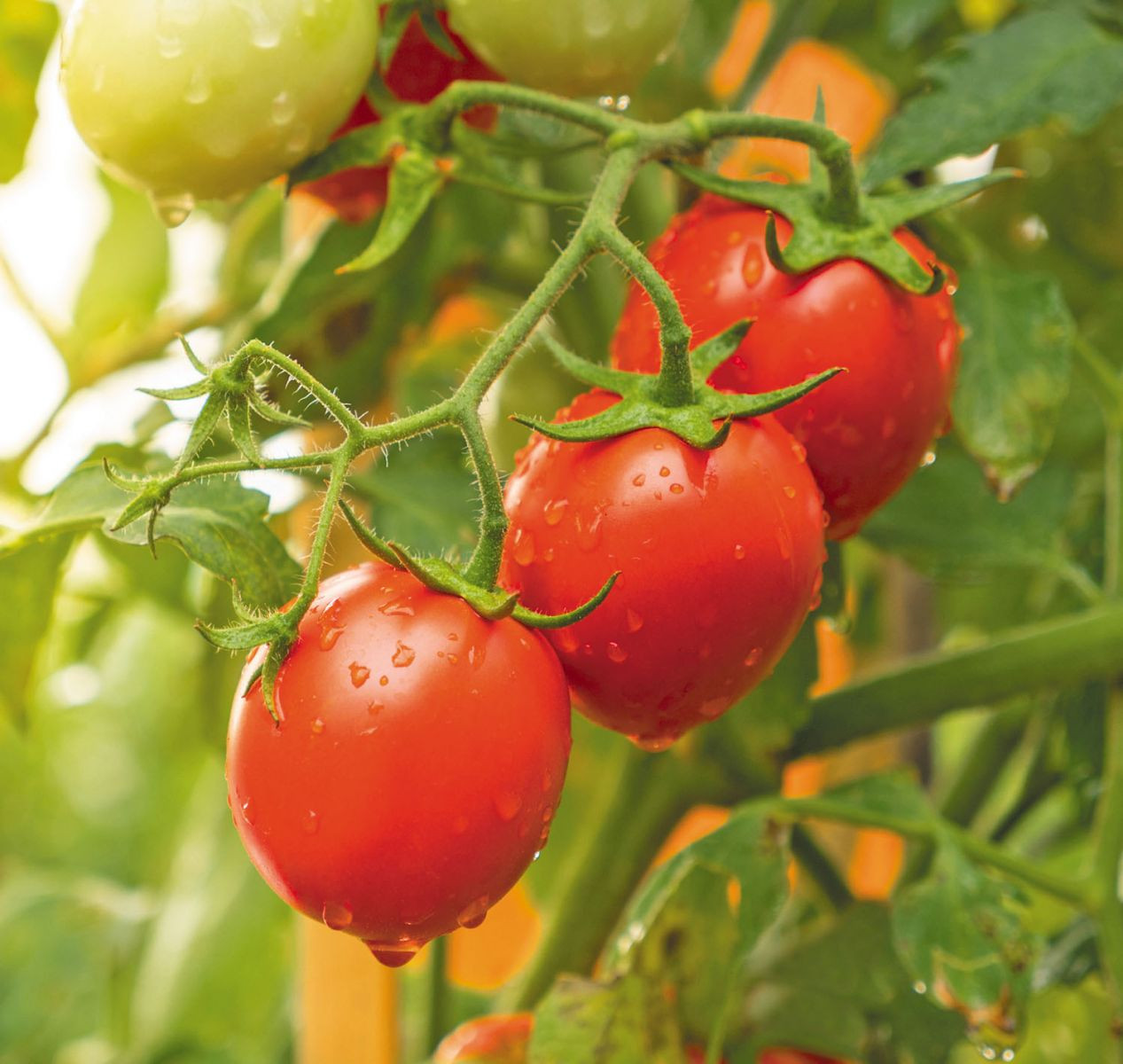
Vine-ripened, locally grown tomatoes are abundant in farmers' markets in August. Scientifically speaking, these vivid red (and sometimes yellow, brown, purple, or green) orbs are fruits. But the USDA, which issues the Dietary Guidelines for Americans, includes tomatoes in the red-orange vegetable group. Aim for about five to six cups per week of the foods in this group, which also includes carrots, squash, and sweet potatoes.
When good fresh tomatoes aren't available, canned tomatoes are a good substitute, especially in soups, stews, and pasta sauces. Eating tomatoes and tomato products may help lower cholesterol and improve blood vessel function, according to a 2017 article in Atherosclerosis.

Heart-healthy diet linked to bigger brain volume
Research we're watching
Image: © MachineHeadz/Getty Images
The same diet that doctors recommend for dodging heart disease also may help preserve brain tissue, a new study finds.
Researchers scrutinized diet surveys from more than 4,200 people with an average age of 66 and ranked the quality of their diets on a scale of 0 to 14. A score of 14 was healthiest and included lots of fruits and vegetables, whole grains, nuts, dairy, and fish, but limited sugar. The volunteers provided data on other factors that might affect brain size, such as blood pressure, physical activity, and smoking. They also underwent brain scans to measure their brain size.

Getting your five a day
Eating five servings of fruits and vegetables can go a long way to protecting against heart disease and cancer.
Image: © Mypurgatoryyears/Getty Images
We've been told the importance of eating fruits and vegetables ever since childhood, and yet we still tend to ignore this nutritional advice. In fact, a CDC survey found that only 18% of adults eat the recommended five daily servings of fruits and vegetables.
"The main reason older men have trouble reaching this amount is lack of awareness," says Vasanti Malik, a research scientist in the Department of Nutrition of Harvard's T.H. Chan School of Public Health. "They are not always engaged in their nutrition or aware of the impact fruits and vegetables can have on their health."
Sacroiliac joint pain: Causes, symptoms, and exercises that help
What causes knee pain: How doctors make a diagnosis
Study: At-home colorectal cancer screening may significantly cut colon cancer deaths
Where you carry excess weight matters in predicting heart disease risk
Tai chi walking: What is it and does it work?
Fatty liver disease: Should you be tested?
Weight-loss drug may lower risk of heart attacks and infections
Testosterone therapy without evidence of deficiency may boost heart risk
Even a little exercise linked with lower stroke risk in people with afib
FDA approves first mRNA-based flu vaccine
Free Healthbeat Signup
Get the latest in health news delivered to your inbox!
Sign Up
