

Fatty liver disease: Should you be tested?

Even a little exercise linked with lower stroke risk in people with afib

Testosterone therapy without evidence of deficiency may boost heart risk

Weight-loss drug may lower risk of heart attacks and infections

Migraine: How it's diagnosed and what that means

Tricep workouts you can do at home

Mindfulness practices to reduce stress and improve focus

Antihistamines may not offer meaningful relief from eczema symptoms

Overweight and taking blood pressure medications: Study finds it's a trend that's working

FDA approves first mRNA-based flu vaccine
Vitamins, minerals & supplements Archive
Articles

Will there be a COVID-19 vaccine?
Ask the doctor
Q. Will we have a vaccine to prevent COVID-19 and, if so, when?
A. I'm optimistic because never in human history has so much scientific time and effort been spent trying to make a vaccine. But it won't it be easy. As fast as possible, the vaccine scientists need to prove, first, that a vaccine is safe (minimal side effects) and, second, that it works to reduce a person's risk of getting the disease. Then they need to produce enough of it to immunize most of the 7.6 billion people on earth. Doing all of this within two to three years of a new virus being discovered would be an unprecedented achievement.
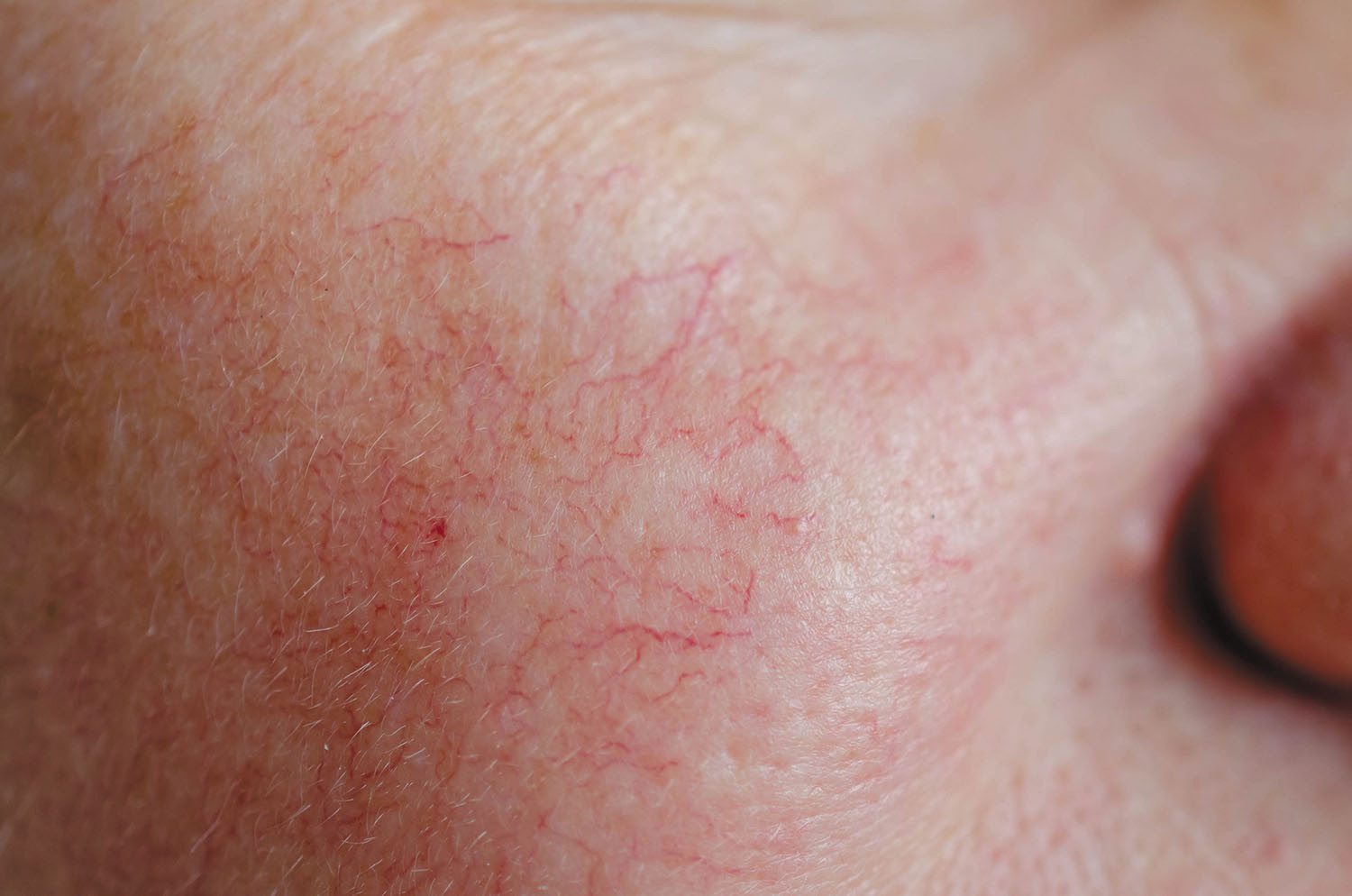
Rosacea can flare at menopause
Tips to help you treat this common skin condition.
You thought you left acne behind you in your teen years, but here you are at midlife with a breakout. But it might not be what you think. Rosacea is often mistaken for acne, and the condition, which most often begins after age 30, sometimes flares at menopause, says Dr. Suzanne Olbricht, an associate professor of dermatology at Harvard Medical School.
A common skin condition affecting some 16 million Americans, rosacea most often develops in people with fair skin who blush easily. Rosacea is sometimes mistaken for sunburn, a naturally ruddy complexion, or even an allergic reaction. It produces a number of skin problems, including

5 Internet recommendations for joint pain: Do they work?
Some ideas seem reasonable, but that doesn't mean they'll help.
People increasingly consult the Internet about medical problems. If you're looking for approaches to relieve joint pain and inflammation caused by wear and tear (osteoarthritis) or an immune system attack (such as occurs in rheumatoid arthritis), you may find methods that sound promising and even sensible. But will they work? Here's advice on five pain relief methods commonly touted on the Internet.
1. Music therapy
Listening to music can evoke powerful emotions that help people relax or heal, which is the basis of music therapy. Research has found that music therapy is associated with less anxiety before surgery or during chemotherapy, and better functioning during physical rehabilitation.

Is it time to consider using medical marijuana?
The stigma is fading, but learn the pros and cons before trying it.
Despite the hype and popularity of medical marijuana, you may not be sure if it's something to consider. You're right to be cautious; the use of marijuana to treat health problems is still being studied, and we don't have all the answers about its risks and benefits.
We do know that medical marijuana use among older adults is increasing. "Older adults tend to use it for physical ailments. No. 1 is chronic pain. Insomnia is another big one, too. Older people have a hard time sleeping, and there aren't a lot of other safe options," says Dr. Peter Grinspoon, a primary care physician with Harvard-affiliated Massachusetts General Hospital.

How to recover from post-traumatic stress disorder
Normally associated with veterans, PTSD can also affect people of all ages who have experienced any kind of trauma.
Post-traumatic stress disorder (PTSD) is a severe and potentially debilitating mental health disorder that affects people who have experienced or witnessed a traumatic event. PTSD often occurs in combat veterans, but it can also strike older adults, and especially men.
About 70% of older men have been exposed to trauma at some point in life, according to the U.S. Department of Veterans Affairs. Many of these traumatic events are accidents (or near misses), injuries, or serious health issues.

High intake of berries, apples, and tea linked to lower dementia risk
News briefs
Plants are loaded with naturally occurring chemicals that appear to help health. And high, long-term intakes of certain kinds of plant chemicals called flavonoids are associated with a reduced risk for developing dementia, according to a study published online April 22, 2020, by The American Journal of Clinical Nutrition. Researchers evaluated the health information of 2,800 dementia-free people (average age 59) who periodically underwent physical exams, had lab tests, and answered diet questionnaires. After 20 years, people who had reported the highest flavonoid intake were about 40% less likely to develop dementia, compared with people who'd reported the lowest intake. There are many different types of flavonoids; those with the greatest link to lower dementia risk came from tea, apples, pears, blueberries, and strawberries. A high intake was about the same as having 7.5 cups of berries, eight apples or pears, and 19 cups of tea per month. A low intake was about the same as having no berries or tea and less than two apples per month. The study was observational and doesn't prove that high flavonoid intake protected people from developing dementia. But researchers say other evidence suggests flavonoids may ward off brain inflammation and protect brain cells.
Image: © Slava Olshevskaya/Getty Images

Another strategy to cope with life’s dark times
News briefs
The United States is reporting increasing numbers of "deaths from despair" (suicide, drug overdose, or alcohol poisoning). Antidepressants and psychotherapy are often used to help people who are having a hard time coping with extremely difficult times and who are at risk for dying because of it. A recent Harvard study found that another strategy may also play a part in countering despair: attending religious services. The study, published online May 6, 2020, by JAMA Psychiatry, evaluated self-reported religious service attendance among 110,000 white, middle-aged men and women who were followed for about 30 years. Compared with never attending religious services, going at least once per week was associated with a much lower risk of death from despair: 68% lower for women and 37% lower for men. Researchers say that religious participation — regardless of affiliation — may serve as an antidote to despair and provide a sustained sense of hope, meaning, peace, and positive outlook. Also, faith-based organizations promote social engagement and connectedness and preach against self-injury and substance use. The study was observational and does not prove that regularly going to a religious service prevents death from despair. However, we know from other Harvard research that using religion to cope is associated with improved outcomes for people with severe psychiatric illness. Due to the pandemic, it may be difficult to attend your usual place of worship. Consider attending services via teleconference. If you attend in-person services, wear a mask and try to stay six feet away from others.
Image: © fstop123/Getty Images

Grain of the month: Barley
You may be familiar with the claims featured on packages of old-fashioned oatmeal, which note that "As part of a heart-healthy diet, the soluble fiber in oatmeal can help reduce cholesterol." Guess what? Back in 2008, the FDA also approved the equivalent health claim for barley products.
In fact, barley contains about three times as much fiber per serving as oats. Barley is particularly rich in a type of soluble fiber known as beta glucan, which is recognized for its cholesterol-lowering abilities. Barley is also a good or excellent source of several vitamins and minerals.
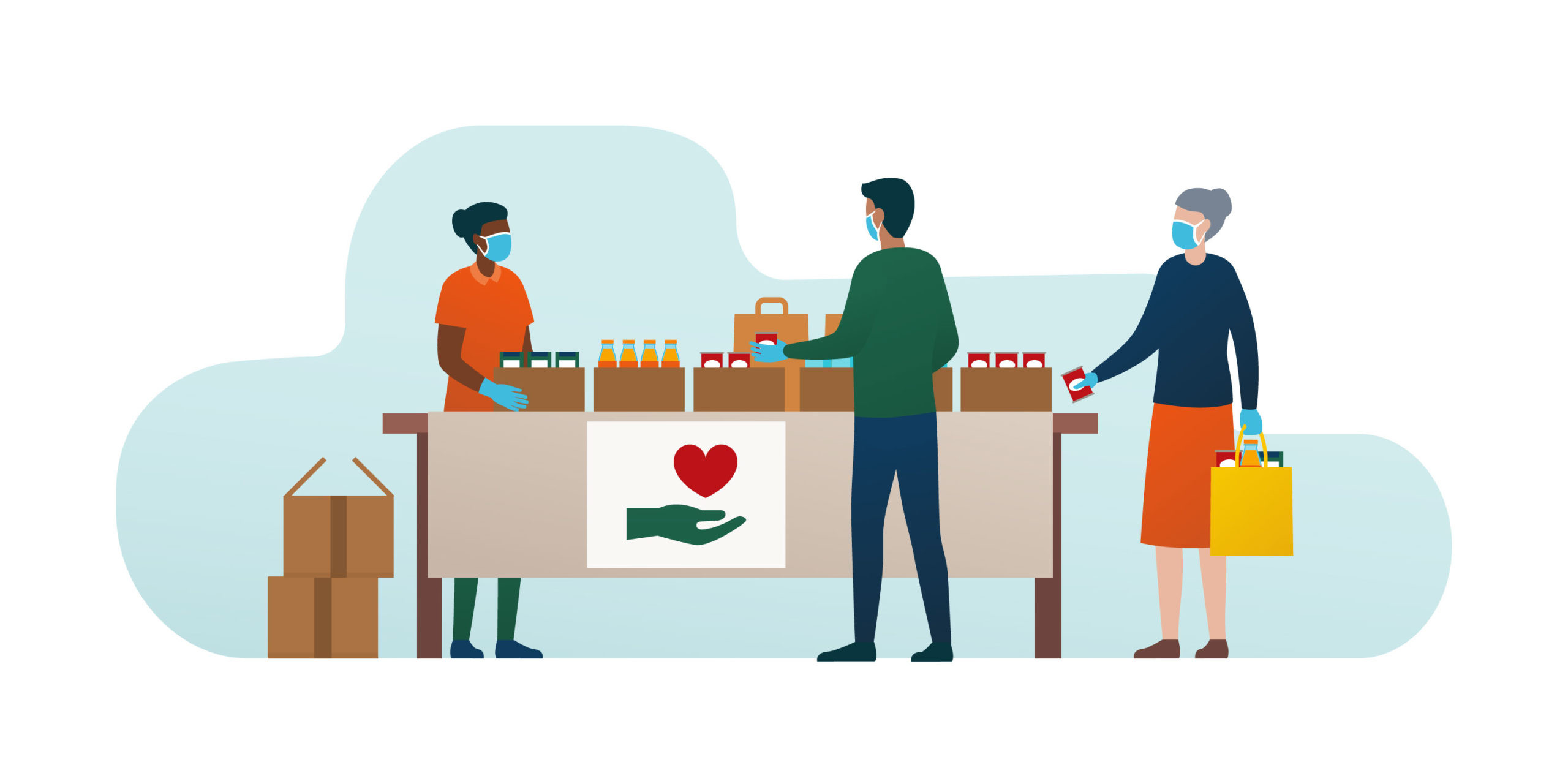
Envisioning food security: Steps we take now can help
Along with historically high unemployment rates, the COVID-19 pandemic has caused a significant increase in food insecurity for millions of Americans, and this problem disproportionately affects lower-income people and racial and ethnic minorities. Temporary measures have helped a bit to ease the situation, and new proposals could do more.
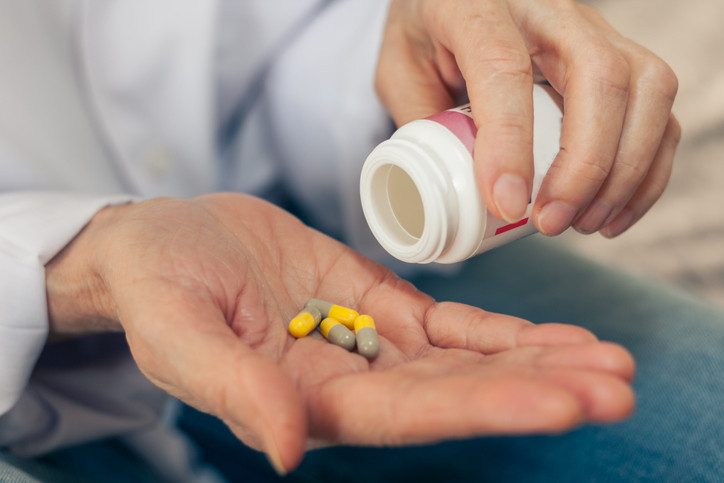
Pain relief that's safe for your heart
Some common painkillers may boost the odds of a heart problem. Use them wisely to lessen your risk.
In 2004, the drug maker Merck pulled rofecoxib (Vioxx) off the market, following revelations that the popular prescription painkiller increased the risk of heart attacks and strokes. That action triggered a closer look at drugs in the same class, known as nonsteroidal anti-inflammatory drugs (NSAIDs). These drugs, which are widely used to ease pain, quell inflammation, and cool fevers, include over-the-counter drugs such as aspirin, ibuprofen (Advil, Motrin), naproxen (Aleve, Naprosyn) and the prescription drug celecoxib (Celebrex).
Fatty liver disease: Should you be tested?
Even a little exercise linked with lower stroke risk in people with afib
Testosterone therapy without evidence of deficiency may boost heart risk
Weight-loss drug may lower risk of heart attacks and infections
Migraine: How it's diagnosed and what that means
Tricep workouts you can do at home
Mindfulness practices to reduce stress and improve focus
Antihistamines may not offer meaningful relief from eczema symptoms
Overweight and taking blood pressure medications: Study finds it's a trend that's working
FDA approves first mRNA-based flu vaccine
Free Healthbeat Signup
Get the latest in health news delivered to your inbox!
Sign Up
