

Fatty liver disease: Should you be tested?

Even a little exercise linked with lower stroke risk in people with afib

Testosterone therapy without evidence of deficiency may boost heart risk

Weight-loss drug may lower risk of heart attacks and infections

Migraine: How it's diagnosed and what that means

Tricep workouts you can do at home

Mindfulness practices to reduce stress and improve focus

Antihistamines may not offer meaningful relief from eczema symptoms

Overweight and taking blood pressure medications: Study finds it's a trend that's working

FDA approves first mRNA-based flu vaccine
Vitamins, minerals & supplements Archive
Articles

How do doctors evaluate treatments for heart disease?
Studies of drugs, diets, and devices all come with their own unique set of challenges.
The best way to know if a new medical treatment truly works is with a randomized controlled trial — the "gold standard" of research studies, also known simply as a clinical trial. Volunteers are randomly assigned to receive either the new treatment or the comparison, which may be a placebo (an inactive therapy) or a treatment that's already available.
As the nation's top cause of death, cardiovascular disease has been at the leading edge of evidence generation, says Dr. Robert Yeh, director of the Smith Center for Outcomes Research in Cardiology at Harvard-affiliated Beth Israel Deaconess Medical Center. "We probably have more evidence for cardiovascular treatments than for any other field of medicine," he says. Among the studies with the greatest impact were the clinical trials that heralded new therapies to treat heart attacks. These include clot-dissolving drugs in the 1980s, followed in the 1990s by artery-opening angioplasty procedures, which remain the standard of care today. Stents, the tiny mesh tubes used in these procedures, have also been extensively studied in clinical trials (see "Testing devices: Different dilemmas").

Seed of the month: Sesame seeds
Sesame seeds may be most familiar as a topping on bagels, burger buns, and breadsticks. The tiny, tear-shaped seeds have a nutty, slightly sweet flavor that's enhanced when they're baked or lightly toasted in a skillet. Most are off-white or tan, but you can also find black varieties, which are popular in Asian cuisine.
Sesame seeds contain lignans and phytosterols, plant compounds that may have cholesterol-lowering effects. They're also a decent source of calcium and magnesium, two minerals linked to better blood pressure control.

5 tips to help you stay healthy this winter
Even in an unusual year, tried-and-true strategies are still the best way to prevent illness.
Staying healthy is likely at the top of your list almost every winter. But this year, in the midst of a pandemic, it may be even more of a concern than usual. You might wonder: should you be taking special supplements to boost your immune system, or investing in cleaning devices to zap germs?
While the viral threats may be different from usual this year, the truth is that you should still be using many of the same strategies that you use in a typical year, says Michael Starnbach, a professor of microbiology at Harvard Medical School. Below are five of his top tips that can help you keep yourself and your loved ones safe.
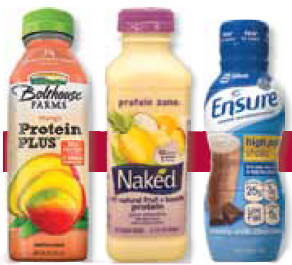
Supplemental nutrition drinks: help or hype?
Photos Courtesy of Manufacturers |
These heavily marketed liquid meals and nutrition shakes aren't always the best option for your health. Here's what you need to look for.
Supplemental nutrition shakes and drinks can be helpful for people who struggle with a loss of appetite, have difficulty chewing, have trouble preparing balanced meals, or are recovering from surgery or an illness. But these nutrition shakes aren't magic bullets for nutrition. "The danger is that people see a lot of minerals and vitamins and think more is better," says geriatrician Dr. Suzanne Salamon, an assistant professor at Harvard Medical School. "If you use the drinks as meal substitutes that might be okay. It's not okay to eat a full meal and then drink a supplement, unless the goal is to gain weight or stop weight loss. It's too many calories."
The nutrition drinks
Supplemental nutrition drinks provide a healthy balance of protein, carbohydrate, and fat. There are hundreds of varieties that fall into two general categories.

Diverticular disease of the colon
Diverticular disease develops due to a lack of dietary fiber, and is most common in the elderly, but many people never realize they have it because there are few symptoms.

Food insecurity, COVID-19, and eating disorders
The COVID-19 pandemic shone a light on disparities in health care and socioeconomic status, and drove food insecurity to an all-time high, particularly in communities most affected by the virus. Research shows links between food insecurity and eating disorders like bulimia and anorexia.


Too many pain pills after surgery: When good intentions go awry
A reasonable and well-intentioned effort to reduce and relieve pain can inadvertently lead to a potentially life-threatening addiction, but there are some surprisingly simple ways to avoid such scenarios.

Just a half-tablespoon of olive oil a day may help the heart
Research we're watching
Most of the evidence supporting olive oil as a heart-healthy fat comes from people living in Mediterranean countries, where olives are abundant. On average, Americans don't consume much olive oil. But those who swap in even a little olive oil to replace less healthful fats appear to lower their risk of heart disease, a new study finds.
Researchers relied on health and diet data from nearly 93,000 adults in two studies beginning in 1990. Over the next 24 years, there were nearly 10,000 cases of heart disease in the group. After adjusting for other dietary habits, age, and other heart-related risks, the researchers found that people who consumed at least a half-tablespoon of olive oil a day had a 14% lower risk for heart disease compared with people who used no olive oil.

Low calorie, but high risk?
Are artificial sweeteners benign or a threat to your long-term health? A recent study adds a new element to the debate.
Artificial sweeteners seem to offer a tantalizing free pass to dessert. These low- or no-calorie additives taste like sugar, but your body can't absorb them the same way it does natural sugars. You get the taste without the calories, which should mean that you can eat them guilt-free. Right?
Over the years, experts have increasingly questioned whether artificial sweeteners are too good to be true. Are they really your ticket to a low-calorie treat — or will you wind up getting your just desserts for trying to outsmart Mother Nature?
Fatty liver disease: Should you be tested?
Even a little exercise linked with lower stroke risk in people with afib
Testosterone therapy without evidence of deficiency may boost heart risk
Weight-loss drug may lower risk of heart attacks and infections
Migraine: How it's diagnosed and what that means
Tricep workouts you can do at home
Mindfulness practices to reduce stress and improve focus
Antihistamines may not offer meaningful relief from eczema symptoms
Overweight and taking blood pressure medications: Study finds it's a trend that's working
FDA approves first mRNA-based flu vaccine
Free Healthbeat Signup
Get the latest in health news delivered to your inbox!
Sign Up
