

Fatty liver disease: Should you be tested?

Even a little exercise linked with lower stroke risk in people with afib

Testosterone therapy without evidence of deficiency may boost heart risk

Weight-loss drug may lower risk of heart attacks and infections

Migraine: How it's diagnosed and what that means

Tricep workouts you can do at home

Mindfulness practices to reduce stress and improve focus

Antihistamines may not offer meaningful relief from eczema symptoms

Overweight and taking blood pressure medications: Study finds it's a trend that's working

FDA approves first mRNA-based flu vaccine
Vitamins, minerals & supplements Archive
Articles

Aspirin and your heart: Many questions, some answers
Taking an aspirin can protect you from heart attack, blood clots and more
First marketed by the Bayer Company in 1897, aspirin (acetylsalicylic acid) is one of our oldest modern medications — and its parent compound is much older still, since Hippocrates and the ancient Egyptians used willow bark, which contains salicylates, to treat fever and pain. Over the past 100 years, aspirin has made its way into nearly every medicine chest in America. Indeed, this old drug is still widely recommended to control fever, headaches, arthritis, and pain.
Although aspirin remains an excellent medication for fever and pain, other drugs can fill these roles equally well. But aspirin has a unique role that was not even suspected by its early advocates. In patients with coronary artery disease, aspirin prevents heart attacks.

Flavonoids: The secret to health benefits of drinking black and green tea?
Plant chemicals known as flavonoids may explain why tea drinkers seem less likely to have cardiovascular disease.
Black or green, hot or iced, tea is gaining in popularity. Many cities and shopping malls feature specialty tea shops, and bottled teas vie for space on store shelves. The tea market continues to grow year after year.
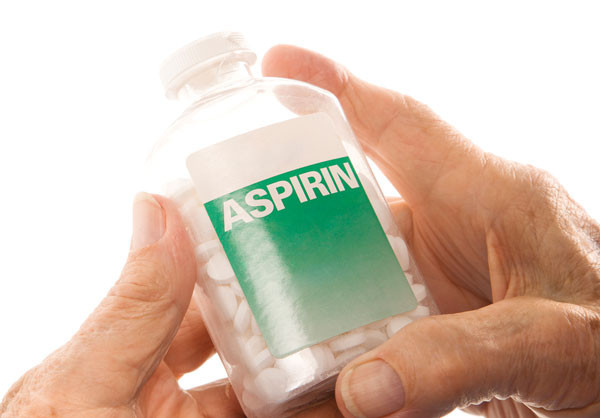
Does aspirin stop a heart attack?
Ask the doctor
Q. Should I take aspirin if I think I'm having a heart attack, and what kind of aspirin should I take?
A. First, what symptoms indicate you might be having a heart attack? The main symptom is a squeezing, tight sensation in the middle of the chest that can travel up into the jaw and shoulders, and even down the left arm. Along with the pain you may begin to sweat and to feel weak, like you might pass out, and be short of breath. While other conditions besides a heart at-tack can cause similar symptoms, you need to take such symptoms very seriously. First, call 911.

Scientists create the first 3D miniature working heart model
Research we're watching
A team of scientists have created a tiny heart muscle "pump" using human cells and a three-dimensional bioprinter. The model heart — which was sized to fit inside a mouse's abdominal cavity — may one day prove useful for studying new heart medications and other therapies, they say.
The researchers first tried using heart muscle cells (cardiomyocytes) in the 3D printer, but the cells didn't grow to a sufficient size and volume. So they instead used so-called pluripotent stem cells, which have the ability to transform into different cell types. After printing a chambered structure, they were able to program the stem cells to become cardiomyocytes, which then began to organize and work together. Within about a month, the cells began beating together, similar to a human heart. The research is detailed in a study published July 3, 2020, in the journal Circulation Research.

Stop counting calories
Put the focus on food quality and healthy lifestyle practices to attain a healthy weight.
Most people have been taught that losing weight is a matter of simple math. Cut calories — specifically 3,500 calories, and you'll lose a pound. But as it turns out, experts are learning that this decades-old strategy is actually pretty misguided.
"This idea of 'a calorie in and a calorie out' when it comes to weight loss is not only antiquated, it's just wrong," says Dr. Fatima Cody Stanford, an obesity specialist and assistant professor of medicine and pediatrics at Harvard Medical School.

Opioids after heart surgery: A cautionary tale
Research we're watching
A recent study found that nearly one in 10 people who received opioid pain relievers following heart surgery continued to take them for three to six months — a time point when no one should still be experiencing pain from the operation.
The study included nearly 36,000 people with private health insurance who had a coronary artery bypass graft (known as CABG or bypass surgery) or a heart valve replacement between 2003 and 2016. People who were prescribed more than 40 5-mg tablets of oxycodone (Oxycontin, Roxicodone, others) or an equivalent amount of a similar drug were at a much higher risk of prolonged opioid use than people who were prescribed lower doses. Other factors that increased a person's odds of taking opioids long-term included having CABG, being female, or having a history of chronic pain or alcoholism.

COVID-19 and flu season: What to expect
How can you protect yourself from both viruses?
With flu season here and the COVID-19 pandemic ongoing, what can people expect when these two illnesses meet?
It's anyone's guess.
"While we're in the midst of the COVID pandemic, there's a lot of uncertainty about what will happen when this collides with our yearly flu epidemic," says Dr. Mary Watson Montgomery, an infectious disease expert at Harvard-affiliated Brigham and Women's Hospital.

Speaking up about orgasms
Men often don't talk about delayed or absent orgasm. Still, these issues can have a profound impact on their sex life.
Erectile dysfunction continues to be the main sex-related issue among older men. Yet, two other problems also can arise with age: anorgasmia, the inability to achieve an orgasm during sex, and delayed orgasm, in which it takes longer than usual to reach orgasm and ejaculate despite proper stimulation. Men can experience either one or both.
While these conditions can cause stress for both men and their sexual partners, they don't have to hinder a healthy, active sex life.

Even a small apple a day may help keep diabetes away
News briefs
A modest uptick in the amount of fruit and vegetables you eat can help ward off type 2 diabetes, according to a study published online July 8, 2020, by The BMJ. From a much larger study involving some 340,000 people from eight European countries, scientists selected 9,754 participants who were newly diagnosed with diabetes over a decade. Researchers compared the fruit and vegetable intakes of these people to those of about 13,000 participants who remained diabetes-free during the study period. Researchers also measured blood levels of seven key plant-derived nutrients, including vitamin C and brightly colored antioxidant pigments called carotenoids. People with the highest intakes of fruit and vegetables and the highest blood levels of the plant-derived nutrients were 25% to 50% less likely to get diabetes during the study period, compared with those who ate the least of these food groups or had the lowest nutrient levels. Even better, it didn't take a whole lot of extra green, red, yellow, and orange on the plate to make a dent in diabetes risk. The equivalent of only two-thirds of a medium apple or just over one-third of a cup of mixed fruit each day offered protection.
Image: © RomoloTavani/Getty Images

Do probiotics help relieve depression?
News briefs
Probiotic supplements containing helpful bacteria and yeast are marketed as a way to maintain a diverse mix of healthy gut microbes. Now, a review published online July 6, 2020, by BMJ Nutrition, Prevention & Health suggests that probiotic supplements may help relieve depression symptoms. Scientists evaluated seven clinical trials from the past 15 years, which tested a total of 12 different strains of helpful bacteria. One trial in the review tested a "prebiotic," a type of plant fiber that provides food for gut bacteria. Scientists concluded that 11 of these probiotics, either alone or combined with prebiotics, were potentially useful for relieving symptoms of depression, perhaps by reducing inflammation that could affect brain function. The studies were small and short-term, but taken together, they suggest a gut-based approach to maintaining emotional well-being is worth pursuing. In the meantime, talk therapy, exercise, and medications remain the most effective approaches to treat depression. To support your gut health without expensive probiotic supplements, enjoy foods that naturally contain probiotics, such as yogurt, kefir, and sauerkraut. The prebiotic powers of whole grains also may support a healthy gut.
Image: LightFieldStudios/Getty Images
Fatty liver disease: Should you be tested?
Even a little exercise linked with lower stroke risk in people with afib
Testosterone therapy without evidence of deficiency may boost heart risk
Weight-loss drug may lower risk of heart attacks and infections
Migraine: How it's diagnosed and what that means
Tricep workouts you can do at home
Mindfulness practices to reduce stress and improve focus
Antihistamines may not offer meaningful relief from eczema symptoms
Overweight and taking blood pressure medications: Study finds it's a trend that's working
FDA approves first mRNA-based flu vaccine
Free Healthbeat Signup
Get the latest in health news delivered to your inbox!
Sign Up
