

Fatty liver disease: Should you be tested?

Even a little exercise linked with lower stroke risk in people with afib

Testosterone therapy without evidence of deficiency may boost heart risk

Weight-loss drug may lower risk of heart attacks and infections

Migraine: How it's diagnosed and what that means

Tricep workouts you can do at home

Mindfulness practices to reduce stress and improve focus

Antihistamines may not offer meaningful relief from eczema symptoms

Overweight and taking blood pressure medications: Study finds it's a trend that's working

FDA approves first mRNA-based flu vaccine
Vitamins, minerals & supplements Archive
Articles

Is it safe to reduce blood pressure medications for older adults?

What you need to know about calcium
Calcium is billed as the bone-building nutrient. But some experts argue that we should pay more attention to exercise and vitamin D.
Starting on your 51st birthday, current government guidelines say you're supposed to consume 1,200 milligrams (mg) of calcium daily. With advancing years, both men and women begin to experience a decline in the density of bones that makes them weaker and more likely to break. In essence, your bone becomes more porous, and calcium supposedly fills in the holes.
But the amount of calcium adults need continues to be debated. The critics say there's little evidence that high intake has more than a marginal effect on bone density and fracture prevention. They say exercise and reversing vitamin D deficiency are not promoted enough and are more important for bone health. Professor Walter Willett, chair of the nutrition department at the Harvard School of Public Health, is one of the leading lights in the critical camp.
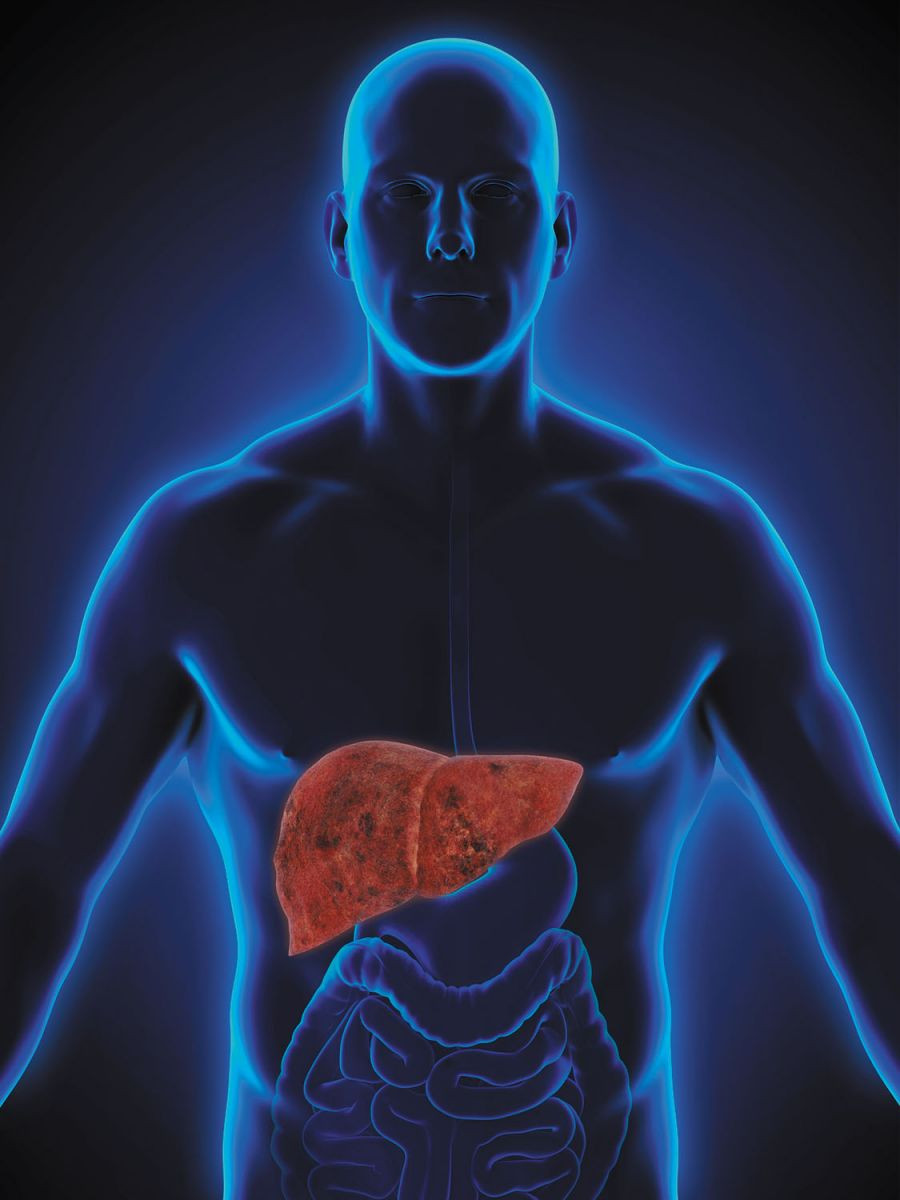
The skinny on fatty liver disease
Rates continue to rise, but there are ways to protect yourself and even reverse the effects of this dangerous disorder.
Your liver is your largest internal organ and your body's workhorse. Among its many jobs are converting food into fuel, processing fat from your blood, clearing harmful toxins, and making proteins that help your blood clot. Yet this hard-working, supersized organ is susceptible to a dangerous and often hard-to-diagnose condition called nonalcoholic fatty liver disease, or NAFLD.
NAFLD is defined as the presence of fat in more than 5% of liver cells. It is the most common liver disease and affects up to 25% of American adults, 60% of whom are men.

Study finds weak link between birth control and breast cancer
Overall risk is very small, and older women who used hormonal contraceptives many years ago aren't likely to have a higher risk.
Image: © designer491/Getty Images
Hormonal birth control — whether it comes as pills, injections, a ring, an intrauterine device (IUD), or an implant — may raise your risk of breast cancer, according to a study published Dec. 7, 2017, in The New England Journal of Medicine.
If you're like many women who currently use one of these contraceptive methods, or if you used one for years in the past, should you be worried?

What causes my feet to suddenly become numb?
On call
Q. My feet tingle or feel numb like they are asleep at times, mostly when I am in bed or with my legs elevated. What causes that?
A. The symptoms you describe may be related to peripheral neuropathy, which is nerve damage that affects multiple nerves leading out from the spinal cord to the arms and legs. Symptoms are often equal in both feet. If only one foot, or part of a foot, is affected, this suggests compression of an individual nerve.

When the arrival of menopause brings symptoms of depression
A new study suggests that hormone therapy might help with perimenopausal depression. But is it safe for you?
Hormone therapy has long been a controversial topic, and a new study about the role of hormones in depression is adding some fodder to the debate. A study published in the January 10 issue of JAMA Psychiatry determined that hormone therapy may help ward off symptoms of depression in women. Researchers found that perimenopausal and early postmenopausal women who were treated with hormones were less likely to experience symptoms of depression than women in the study who were given a placebo.
But while the findings of the study are important — particularly considering that a woman's risk of depression doubles or even quadruples during the menopausal transition — that doesn't mean hormone therapy should be widely used for preventing depression in women at this stage of life, says Dr. Hadine Joffe, the Paula A. Johnson Associate Professor of Psychiatry in Women's Health at Harvard Medical School, who wrote an editorial accompanying the study. "It's not a 'never,' but it shouldn't be a standard approach; in general, all of medicine has moved away from using hormones for prevention," she says.

High calcium score: What’s next?
Ask the doctor
Image: © Tinpixels/Getty Images
Q. I recently got a coronary artery calcium scan and the results showed that I have quite a bit of calcium in my heart arteries (my score was 900). Should I have an angiogram to confirm the results? I don't have any heart-related symptoms, but I'm worried about having a heart attack.
A. That is a very high coronary artery calcium score. But the short answer to your question is no. The main reason to have an angiogram is to locate a narrowed heart artery that is causing chest pain or other symptoms. For the test, a cardiologist injects a dye that is visible on x-rays into the blood vessels of your heart, then takes a series of x-ray images. This is done in preparation for angioplasty, in which a narrowed artery is opened, or as a prelude to referral for coronary artery bypass surgery.
Getting your vitamins and minerals through diet
The benefits of multivitamins are looking doubtful. Can we do without them?
The answer is a qualified yes – we can do without them, as long as you eat a well-balanced diet rich in fruits and vegetables.
In the past, doctors often suggested a standard multivitamin with minerals each day. They don't cost much, and earlier studies had shown some benefits. For example, it appeared that folic acid and other B vitamins might lower the risk of heart disease, stroke and possibly cancer. But more recent studies have shown no added benefit of multivitamins for healthy people that eat a balanced diet.

Urine color and odor changes
Surprising factors influence urine color and odor including food and medication
Many things can alter the look and smell of your urine. When should you be concerned?
Nearly six and a half cups — that's how much urine the average person produces a day, usually in four to eight trips to the toilet. The ritual is so routine that most of us pay little attention to our urine — that is, unless it happens to look or smell different than usual.
Fatty liver disease: Should you be tested?
Even a little exercise linked with lower stroke risk in people with afib
Testosterone therapy without evidence of deficiency may boost heart risk
Weight-loss drug may lower risk of heart attacks and infections
Migraine: How it's diagnosed and what that means
Tricep workouts you can do at home
Mindfulness practices to reduce stress and improve focus
Antihistamines may not offer meaningful relief from eczema symptoms
Overweight and taking blood pressure medications: Study finds it's a trend that's working
FDA approves first mRNA-based flu vaccine
Free Healthbeat Signup
Get the latest in health news delivered to your inbox!
Sign Up
