

Fatty liver disease: Should you be tested?

Even a little exercise linked with lower stroke risk in people with afib

Testosterone therapy without evidence of deficiency may boost heart risk

Weight-loss drug may lower risk of heart attacks and infections

Migraine: How it's diagnosed and what that means

Tricep workouts you can do at home

Mindfulness practices to reduce stress and improve focus

Antihistamines may not offer meaningful relief from eczema symptoms

Overweight and taking blood pressure medications: Study finds it's a trend that's working

FDA approves first mRNA-based flu vaccine
Vitamins, minerals & supplements Archive
Articles

"Green" Mediterranean diet: Better than the original?
Research we're watching
Widely considered the healthiest diet for your heart, the Mediterranean diet is rich in plant-based foods and features only small amounts of meat and dairy products. But a variation that includes more green plant foods may be even better for you, a small study suggests.
The study included 294 sedentary, moderately obese people whom researchers randomly divided into three groups. Each received different dietary advice: a standard healthy diet, a low-calorie Mediterranean diet, or a "green" Mediterranean diet. Both Mediterranean diet groups included about a quarter-cup of walnuts daily, and poultry and fish replaced beef and lamb.

Steroid injection may be the best medicine for frozen shoulder
Research we're watching
There are a number of different approaches to treating a condition called adhesive capsulitis, better known as frozen shoulder. This common condition causes significant shoulder pain and reduced mobility. While it generally goes away on its own over time, it can take up to a year or longer to heal. But there hasn't been consensus on whether any particular therapy leads to more rapid pain relief and full range of motion.
A study published online Dec. 16, 2020, by JAMA Network Open looked at various treatment options for frozen shoulder to determine which was the most effective. Researchers analyzed 65 different studies with more than 4,000 total participants and found that the first line of therapy should be to inject a steroid directly into the joint to reduce inflammation. This treatment helped to reduce pain and led to the fastest recovery. The study authors said the steroid injection should be accompanied by a home exercise program that includes stretches and exercises to improve range of movement in the shoulder.

Take a deep breath before adopting new asthma guidelines
News briefs
Hold off before you follow new recommendations to treat mild, persistent asthma — or at least consult your doctor first. The updated guidelines from the National Institutes of Health, published online in the December 2020 issue of The Journal of Allergy and Clinical Immunology, say it's okay for people with mild, persistent asthma to stop daily use of inhaled corticosteroids and instead use them only as needed, along with short-acting beta agonists ("rescue" medications). That's considered a major shift in guidance. But that may not be a good idea for some older adults, notes Dr. Anna Wolfson, an allergist and immunologist at Harvard-affiliated Massachusetts General Hospital. "A lot of people have a harder time with the occasional use of medications than a routine practice of daily use," she says. "And you may not want to decrease your asthma regimen during the pandemic. Poorly controlled asthma could lead to a flare or an ER visit, and perhaps an increased risk for complications if you develop COVID-19." Dr. Wolfson says there are some people who might benefit from using inhaled corticosteroids only as needed, but she urges you to speak with your doctor before changing your medication regimen.
Image: Branimir/Getty Images

Understanding "blood thinners"
These drugs actually help stop dangerous blood clots from forming. Here's when you may need them.
Nearly everyone has heard of "blood thinners." Maybe you or someone you know takes one. But these drugs don't "thin" blood at all.
"They are actually anti-clotting drugs," says Dr. Gregory Piazza, a cardiologist with Harvard-affiliated Brigham and Women's Hospital. "They prevent potentially dangerous blood clots from developing in people at high risk, like those who have atrial fibrillation or a stent in a blood vessel, or who are immobile after surgery."
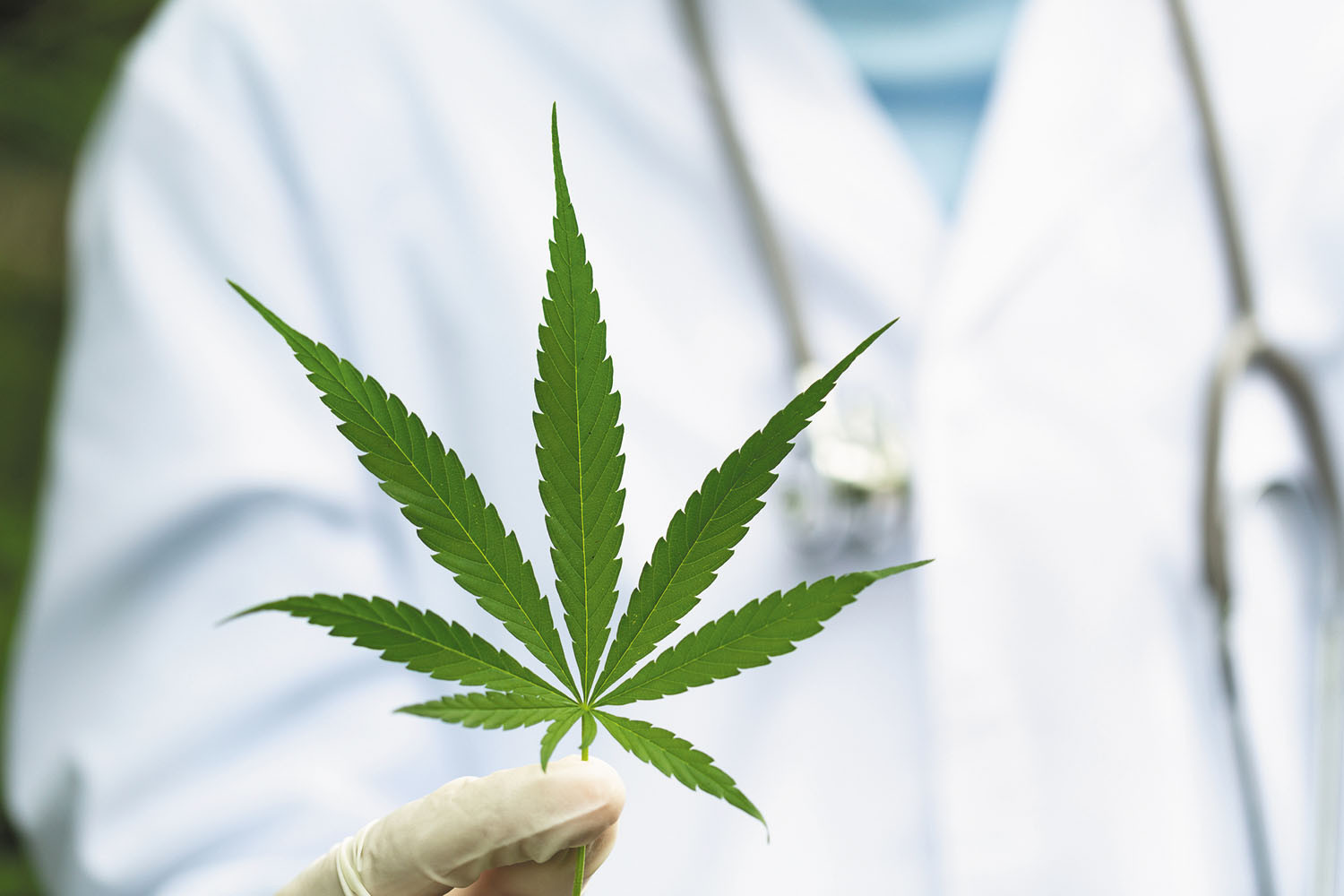
The highs and lows of medical cannabis
It's more accessible than ever before, but is it the right medicine for you?
Medical marijuana — also referred to as medical cannabis — has enjoyed a boom in recent years. More states have legalized it, more products are available, and more people have turned to it for help, especially older adults.
A study in the April 2020 JAMA Internal Medicine found that the number of adults ages 65 and older using medical cannabis increased from 2.4% to 4.2% between 2015 and 2018.

Affairs of the heart
Cardiovascular problems can conspire to put a damper on sexual enjoyment. Talking to your doctor and your partner can help.
A physical connection with your romantic partner is often an important part of a fulfilling relationship. But when it comes to matters of the heart, the health of your heart matters.
"A satisfying sex life depends on physical health, psychological well-being, and the quality of the relationship," says Dr. Jan Shifren, who directs the Massachusetts General Hospital Midlife Women's Health Center. Heart disease and related conditions can influence all three of those factors in both men and women. Here's a look at the range of those effects and some possible solutions.

A flavanol-rich diet may increase brain function
In the journals
Flavanols give fruits and vegetables their bright colors. They are also found in tea and cocoa. Observational studies have shown that eating foods rich in flavanols is linked with less cognitive decline as people age. New research suggests a possible reason why: flavanols appear to improve blood flow to the brain.
Researchers gave cocoa flavanols to 18 healthy adults in two separate trials. In one, the people consumed a cocoa drink with about 681 milligrams (mg) of flavanols. In the other, they had a cocoa drink with about 4 mg of flavanols. About two hours after having the cocoa drink, participants briefly inhaled air with high concentrations of carbon dioxide to raise their blood level above normal. (The brain's normal response to high blood carbon dioxide levels is to increase both blood flow to the brain and its uptake of oxygen.) The researchers then measured the speed of brain oxygenation and administered a set of mental tasks to assess cognitive performance. People had a faster brain oxygenation response after consuming high amounts of flavanols compared with lower amounts. They also scored higher on the cognitive tests and correctly solved problems 11% quicker.

Why junk food diets may raise heart disease risk
Hamburgers, fries, sugary sodas, and other less healthy foods may cause inflammation, a key player in the formation of artery-clogging plaque.
Eating foods such as red meat and sugary treats may trigger inflammation, raising your risk of cardiovascular disease. But a diet rich in fruits, vegetables, and other anti-inflammatory foods reduces the risk, according to a large Harvard study.
"These new findings help explain why certain foods we consider unhealthy may be contributing to plaque buildup inside arteries," says Dr. Kathryn Rexrode, associate professor of medicine at Harvard Medical School and a co-author of the study, published last year in the Journal of the American College of Cardiology. Inflammation is marked by the release of molecules called cytokines into the bloodstream. These attract immune cells to artery walls, contributing to the development of plaque, she explains.

Fears about statin side effects: Often unfounded?
A novel study suggests that the "nocebo effect" could be why some people believe they cannot tolerate statins.
Are you hesitant to fill your statin prescription because you're worried the drug will cause muscle aches and other side effects? Although you're far from alone (see "A royal pain?"), the reality is that all drugs have side effects, and statins aren't worse than other drugs. And fears about statin side effects may be depriving people of a potentially lifesaving medication.
The nocebo effect — the flip side of the well-known placebo effect — occurs when people experience negative effects from a drug, placebo, or other treatment based on an expectation of harm. Because of the widespread belief that statins cause muscle aches, statins have been suspected of triggering a strong nocebo effect. A recent study confirmed this observation (see "A study to assess statin side effects").

Did my diet cause my gout?
Ask the doctors
Q. I eat a lot of shellfish and recently developed gout in my knee. Did my diet cause the condition?
A. As you probably know, gout is a painful form of arthritis that occurs when high levels of a waste product called uric acid build up in the body. It can settle into joints, where it forms sharp crystals that can trigger inflammation, redness, and pain. Your diet may have aggravated the condition, but didn't cause it.
Fatty liver disease: Should you be tested?
Even a little exercise linked with lower stroke risk in people with afib
Testosterone therapy without evidence of deficiency may boost heart risk
Weight-loss drug may lower risk of heart attacks and infections
Migraine: How it's diagnosed and what that means
Tricep workouts you can do at home
Mindfulness practices to reduce stress and improve focus
Antihistamines may not offer meaningful relief from eczema symptoms
Overweight and taking blood pressure medications: Study finds it's a trend that's working
FDA approves first mRNA-based flu vaccine
Free Healthbeat Signup
Get the latest in health news delivered to your inbox!
Sign Up
