

Fatty liver disease: Should you be tested?

Even a little exercise linked with lower stroke risk in people with afib

Testosterone therapy without evidence of deficiency may boost heart risk

Weight-loss drug may lower risk of heart attacks and infections

Migraine: How it's diagnosed and what that means

Tricep workouts you can do at home

Mindfulness practices to reduce stress and improve focus

Antihistamines may not offer meaningful relief from eczema symptoms

Overweight and taking blood pressure medications: Study finds it's a trend that's working

FDA approves first mRNA-based flu vaccine
Vitamins, minerals & supplements Archive
Articles

Low fat, low carb, or Mediterranean: which diet is right for you?
Losing weight sometimes takes experimentation. If you give a diet your best shot and it doesn't work long term, maybe it wasn't the right one for you, your metabolism, or your situation. Genes, family, your environment — even your friends — influence how, why, what, and how much you eat, so don't get too discouraged or beat yourself up because a diet that "worked for everybody" didn't pay off for you. Try another, keeping in mind that almost any diet will help you shed pounds — at least for a short time.
Here's a look at three common diet approaches.

Why stress causes people to overeat
Stress eating can ruin your weight loss goals – the key is to find ways to relieve stress without overeating
There is much truth behind the phrase "stress eating." Stress, the hormones it unleashes, and the effects of high-fat, sugary "comfort foods" push people toward overeating. Researchers have linked weight gain to stress, and according to an American Psychological Association survey, about one-fourth of Americans rate their stress level as 8 or more on a 10-point scale.
In the short term, stress can shut down appetite. The nervous system sends messages to the adrenal glands atop the kidneys to pump out the hormone epinephrine (also known as adrenaline). Epinephrine helps trigger the body's fight-or-flight response, a revved-up physiological state that temporarily puts eating on hold.

Food and mood: Is there a connection?
Here's what the research says about diet and depression.
Image: © ogichobanov; © Foxys_forest_manufacture/Getty Images
If you've ever found yourself in front of the TV after a bad day, mindlessly digging ice cream out of the container with a spoon, you know that mood and food are sometimes linked. But while stress eating is a verified phenomenon, the relationship between food and actual mood disorders, such as depression, is less clear. Or, to put it another way: can the things you eat influence your risk for depression — and can dietary changes potentially improve your mental health?
"The research regarding dietary factors and depression is still inconclusive," says Patricia Chocano-Bedoya, a visiting scientist in the Department of Nutrition at the Harvard T.H. Chan School of Public Health. But there have been hints that food may play a role in depression.

Can diet heal chronic pain?
The foods you eat (and don't) can determine how well your body fights painful inflammation.
Image: © autumnhoverter/Getty Images
It's been said that you are what you eat, and that's definitely true when it comes to chronic pain.
"A lot of chronic pain is the result of chronic inflammation, and the evidence is quite strong that your diet can contribute to increased systemic inflammation," says Dr. Fred Tabung, a visiting researcher with the Department of Nutrition at Harvard's T.H. Chan School of Public Health. "But your diet is also one of the best ways to reduce it."

Precious metals and other important minerals for health
Make sure your diet meets the recommended mineral targets.
Image: © fstop123/Getty Images
Gold, silver, and platinum get all the attention as the world's most precious metals. But they're more precious for the global economy than for human health. Instead, other metals and minerals (metals are one type of mineral) are more important for our health (see "What essential metals do for us"). Indeed, some of them are so important that we can't live without them. "Each one plays a role in hundreds of body functions. It may take just a very small quantity of a particular mineral, but having too much or too little can upset a delicate balance in the body," says Dr. Bruce Bistrian, chief of clinical nutrition at Beth Israel Deaconess Medical Center.
What essential metals do for usMany metals are used to make strong and durable everyday objects, like copper pipes or iron skillets. But they don't form such strong and durable objects in our bodies. Instead, many essential metals are needed to activate enzymes — molecules with important jobs in the body. And metals have many other essential roles as well. For example:
|

The pros and cons of root vegetables
They're packed with nutrients but high in starchy carbohydrates.
Image: © rudisill/Getty Images
Root vegetables — like turnips, rutabagas, and parsnips — may not be the sexiest foods on the table. But they're big celebrities in a number of cuisine trends like the "vegetable forward" movement (which elevates vegetables into creative entrees and side dishes) and root-to-stem cooking (which uses every part of a vegetable, including the tops, stems, and skins).
While it's fun to use old standbys in more interesting ways (like roasted parsnips with pistachio and lemon), it's important to eat root vegetables judiciously. "They are so high in carbohydrates that they are more like grains than greens. It makes more sense to put them in the same category as breads, rice, or pasta," says dietitian Teresa Fung, adjunct professor in the nutrition department at the Harvard T.H. Chan School of Public Health.
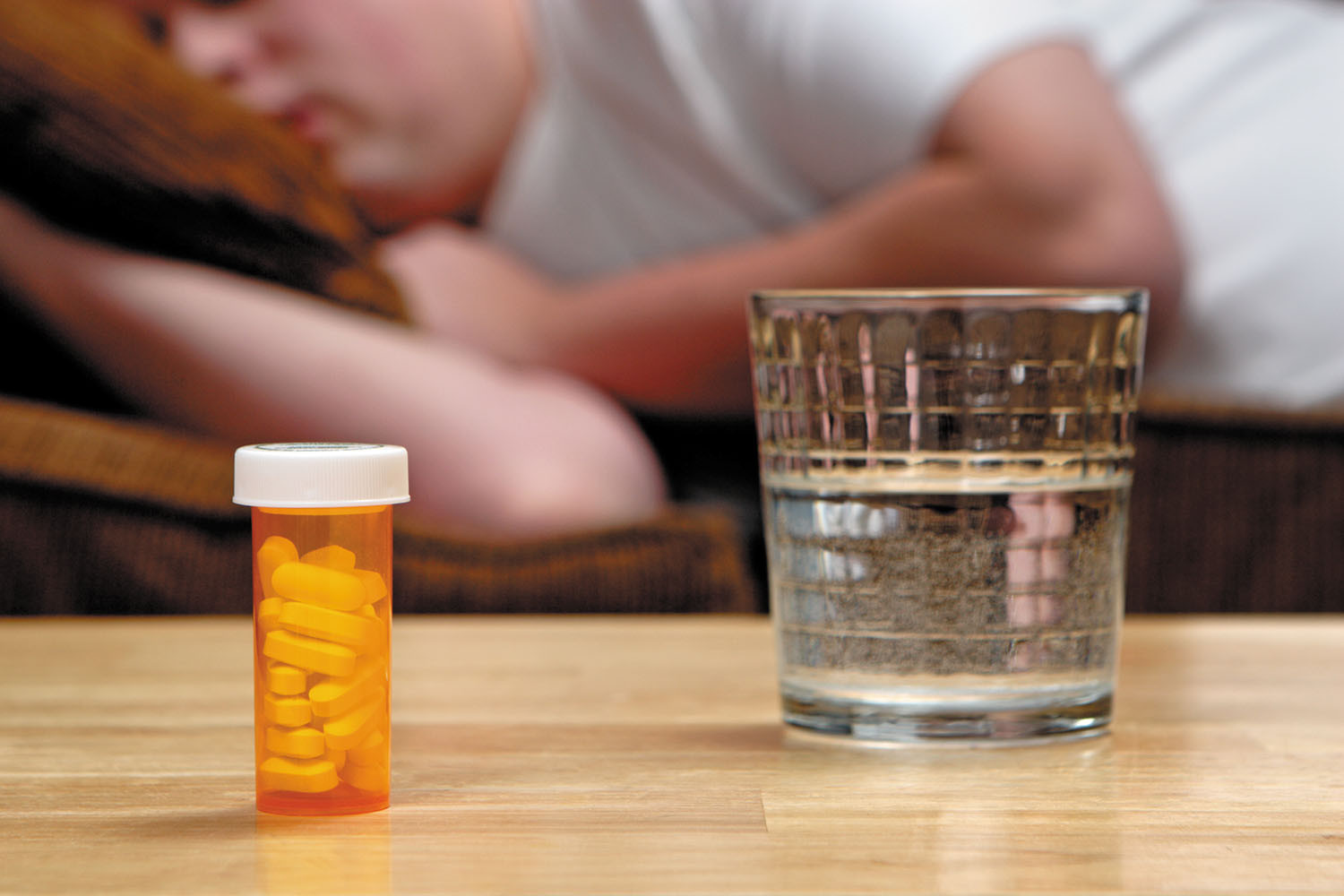
Are drugstore sleep aids safe?
Observe these caveats if you use over-the-counter drugs or dietary supplements to help you sleep.
Image: © Spauln/Getty Images
It's 2 a.m. and you can't sleep. Is it okay to take a nonprescription remedy? "They're not meant for the long term, but it may be okay for an occasional night of problems with sleep," says sleep expert Dr. Lawrence Epstein, an instructor in medicine at Harvard Medical School.
But which option should you reach for? Drugstore shelves are lined with a dizzying array of products promising a good night's sleep. They fall into two categories: nonprescription medications and dietary supplements.

Do generic drugs compromise on quality?
A new study raises questions about whether they're truly equivalent to the brand-name versions.
You've no doubt seen them in the grocery store — typically drab-looking packages on the bottom shelf containing lower-priced generic versions of popular brand-name products. Some shoppers look at them with skepticism: Are they really as good? Or does cheaper just mean lower quality?
Many people have the same questions about generic prescription medications, says Dr. Niteesh K. Choudhry, professor of medicine at Harvard Medical School and executive director of the Center for Healthcare Delivery Sciences at Brigham and Women's Hospital. Are generic drugs really the same quality, or is it better to spend more for the name-brand version?

When to expect results from a new medication
Each one can have a different timetable. Find out in advance what you should expect, and then track your symptoms.
Image: © Digital Vision/Getty Images
When your doctor prescribes a new medication, you may expect to start feeling the effects right away. But some drugs can take time to make a difference. "It depends on how quickly your body absorbs the medication, how your body distributes it, and how your body breaks down or metabolizes it," says Laura Carr, a pharmacist at Harvard-affiliated Massachusetts General Hospital.
Giving it time
Some medications start working on the first day. These include drugs that treat high blood pressure, like the beta blocker metoprolol (Toprol, Lopressor), which slows down the heart and reduces the force of its contractions; or H2 blockers such as famotidine (Pepcid) and ranitidine (Zantac), which treat heartburn by blocking the stomach's acid-secreting cells from making acid.
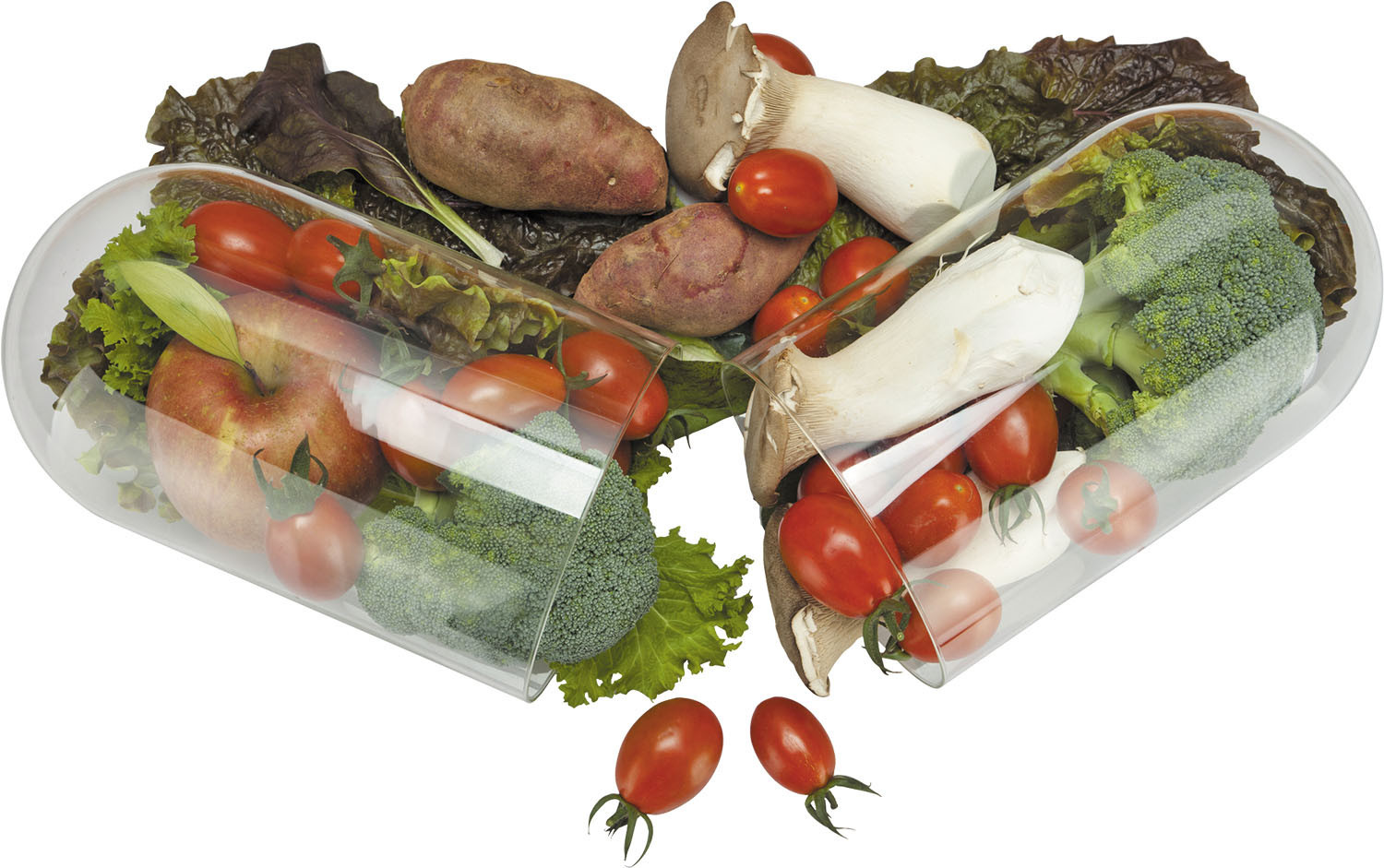
Do you need a daily supplement?
Most older adults take some kind of over-the-counter dietary supplement. But are these products right for everyone?
Image: © phototake/Getty Images
Over-the-counter dietary supplements are big business — more than 90,000 products generate about $30 billion every year in the United States. Older adults make up a big part of these sales, too. A survey of almost 3,500 adults ages 60 and older published Oct. 1, 2017, in The Journal of Nutrition found that 70% use a daily supplement (either a multivitamin or individual vitamin or mineral), 54% take one or two supplements, and 29% take four or more.
But are these pills good medicine, or a waste of money?
Fatty liver disease: Should you be tested?
Even a little exercise linked with lower stroke risk in people with afib
Testosterone therapy without evidence of deficiency may boost heart risk
Weight-loss drug may lower risk of heart attacks and infections
Migraine: How it's diagnosed and what that means
Tricep workouts you can do at home
Mindfulness practices to reduce stress and improve focus
Antihistamines may not offer meaningful relief from eczema symptoms
Overweight and taking blood pressure medications: Study finds it's a trend that's working
FDA approves first mRNA-based flu vaccine
Free Healthbeat Signup
Get the latest in health news delivered to your inbox!
Sign Up
