

Fatty liver disease: Should you be tested?

Even a little exercise linked with lower stroke risk in people with afib

Testosterone therapy without evidence of deficiency may boost heart risk

Weight-loss drug may lower risk of heart attacks and infections

Migraine: How it's diagnosed and what that means

Tricep workouts you can do at home

Mindfulness practices to reduce stress and improve focus

Antihistamines may not offer meaningful relief from eczema symptoms

Overweight and taking blood pressure medications: Study finds it's a trend that's working

FDA approves first mRNA-based flu vaccine
Vitamins, minerals & supplements Archive
Articles

What is labile hypertension?
Ask the doctor
Image: © LordHenriVoton/Getty Images
Q. I have high blood pressure and have been checking my blood pressure more often since my doctor added another drug. But lately, my readings have been all over the place. For example, one morning it was 127/70, but then it was 170/100 in the late afternoon. What's going on?
A. You may have a condition known as labile hypertension, which refers to blood pressure that fluctuates far more than usual. Everyone's blood pressure rises and falls many times during the course of a single day, sometimes even within minutes. Many factors contribute to these changes, including physical activity, emotion, body position, diet (especially salt and alcohol intake), and sleep deprivation. However, there is no clear definition or standard criteria to distinguish between normal and abnormal fluctuations.
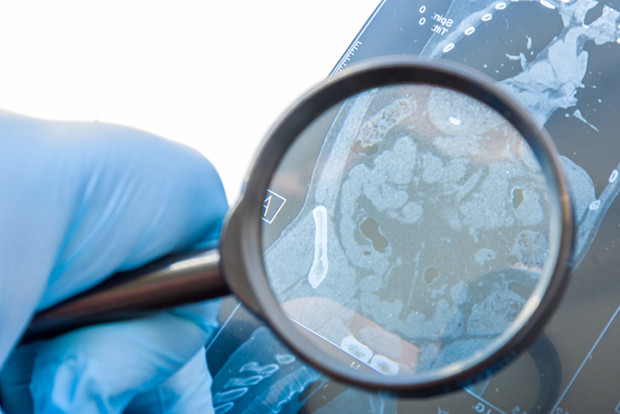
Defend yourself from diverticulitis
Adequate fiber can protect against this painful colon condition.
Image: Shidlovski/Getty Images
About half of Americans ages 60 to 80 have diverticulosis, a condition in which pea-sized pouches, called diverticula, bulge outward from the colon. After age 80, almost everyone has it.
Most of the time the pouches don't cause any problems, but if the diverticula become inflamed or infected, the result is diverticulitis, which produces symptoms like fever, nausea, vomiting, and pain or tenderness in the lower abdomen. It's unclear why this happens, but it's generally thought that the pouches become infected after stool or bacteria get caught in them.

Harvard Health Ad Watch: Can an arthritis drug help you become a morning person?
An ad for an arthritis medication seems to suggest that taking it will alleviate or even eliminate morning stiffness, allowing you to hop out of bed. Like most drug ads, this one has unspoken messages and glosses over questions about side effects and cost.

Treating heart attacks: Changes from Eisenhower’s era to the present day
In the 1950s, doctors offered mainly morphine and bed rest — a far cry from the many procedures and medications provided today.
During a round of golf one autumn afternoon in 1955, President Dwight Eisenhower experienced what he assumed was indigestion. After he awoke at 2 a.m. the following morning with severe chest pain, his personal physician administered several shots of morphine. It wasn't until 1 p.m. that afternoon that an electrocardiogram revealed that the president had experienced a heart attack.
Cardiologist Dr. Thomas Lee, professor of medicine at Harvard Medical School, detailed Eisenhower's experience in the Oct. 29, 2020, issue of The New England Journal of Medicine. His piece focuses mainly on how Eisenhower's cardiologist, Paul Dudley White, communicated the event to the public. As Dr. Lee wrote, "Heart attacks became less mysterious and frightening to millions of Americans that day."

Can taking aspirin regularly help prevent breast cancer?
Experts say there's little evidence that low-dose aspirin therapy brings benefits, and there are some risks.
In recent years, there's been a lot of talk about the potential benefits, and risks, of a regular regimen of low-dose aspirin. While much of the discussion has centered on whether taking low-dose aspirin can head off cardiovascular disease, some of the focus has also been on breast cancer. Can regular doses of this over-the-counter pain reliever reduce your risk of this common cancer?
For a while there were hints that the evidence was leaning that way. Back in 2017, this area of research, while still inconclusive, was somewhat promising. For example, a 2017 study published in Breast Cancer Research found that among some 57,000 women, those who reported taking low-dose aspirin (81 mg) at least three times a week had a 16% lower risk of breast cancer over all and a 20% lower risk of a specific type of hormonally driven breast cancer.

Don’t delay cancer treatment during the pandemic
News briefs
The pandemic may have you feeling reluctant to seek medical treatment. But when it comes to cancer care, even a short delay in treatment may lead to deadly outcomes, according to a review of 34 studies published online Nov. 4, 2020, by BMJ. Researchers evaluated treatment delay and survival in more than a million people who had cancer of the bladder, breast, colon, rectum, lung, cervix, or head and neck. Each four-week delay in treatment — whether surgery, radiation therapy, or medication (such as chemotherapy or immunotherapy) — was associated with an increase of 6% to 8% in the likelihood of dying during the study period. Scientists say delays of up to eight weeks and 12 weeks further increased the risk of death. For example, in women who delayed breast cancer surgery by eight weeks, there was a 17% increased death risk; women who delayed surgery by 12 weeks had a 26% increase. Keep in mind, there are lots of unavoidable reasons why cancer treatment might be delayed, such as not being strong enough to undergo procedures or scheduling issues at a treatment center. But if there isn't a good reason to delay, it's best to get treatment as soon as possible.
Image: FG Trade/Getty Images

Can you supercharge the Mediterranean diet?
News briefs
A Mediterranean-style diet is rich in vegetables, legumes, fruits, whole grains, nuts, seeds, poultry, fish, and olive oil, and it's associated with lower risks for heart disease and diabetes. And a "greener" version of the eating style might be even more effective, according to a small, randomized study published online Nov. 23, 2020, by the journal Heart. Researchers — some from Harvard — recruited about 300 sedentary, middle-aged people (mostly men) with high cholesterol or abdominal obesity and divided them into three groups. One received guidance for exercise and a healthy diet; another received exercise guidance and was assigned to eat a calorie-restricted Mediterranean diet; and one group received exercise guidance and was assigned to eat a "greener" calorie-restricted Mediterranean diet with less animal-based and more plant-based proteins (including walnuts and a type of duckweed — an aquatic plant), plus lots of green tea. After six months, people on the "green" diet had lost more weight and inches around their middles, and had bigger drops in cholesterol, than people in the other two groups. "Green" dieters also had steeper declines in insulin resistance, inflammation markers, and diastolic blood pressure (the lower number in the measurement), compared with the other two groups.
Image: © Lilechka75/Getty Images

How do you avoid kidney stone attacks?
On call
Q. I want to avoid another kidney stone attack. What's your advice about diet, coffee, tea, and alcohol?
A. The foods you eat and the amount of fluid you drink can contribute to some types of kidney stones. Certainly, you can help prevent recurrent kidney stones by paying attention to your fluid and food intake.

Eating foods that trigger inflammation may lead to cardiovascular disease
Research we're watching
Diets rich in foods that trigger chronic inflammation inside the body may raise your risk of developing cardiovascular disease. A study by a team of Harvard researchers, published Nov. 10, 2020, in the Journal of the American College of Cardiology, found that people who ate more inflammation-provoking foods, like sugary drinks, red and processed meat, and refined carbohydrates, were 38% more likely to develop cardiovascular disease than those who ate a diet that helped to combat chronic inflammation. Inflammation-inhibiting foods tend to have more fiber and antioxidants, such as leafy greens, fruit, whole grains, and tea and coffee.
To come to these conclusions, the study authors looked at data from more than 200,000 women and men from three large studies, the Nurses' Health Study I and II and the Health Professionals Follow-Up Study. The participants were followed, in some cases, for more than three decades. The authors said follow-up studies will be needed to confirm their results, but their findings suggest that developing anti-inflammatory diets may help to prevent cardiovascular disease.

Fruit of the month: Bananas
Bananas are one of the most popular fruits in the United States, perhaps because they're affordable (about 58 cents per pound, on average) and available year-round.
Among all fruits, bananas are one of best sources of potassium, with about 450 milligrams (mg) per banana. Healthy adults not on certain medications should aim for 4,700 mg of potassium daily, although few Americans meet this goal. A high potassium intake may help reduce high blood pressure and has also been linked to a lower risk of stroke and possibly heart disease.
Fatty liver disease: Should you be tested?
Even a little exercise linked with lower stroke risk in people with afib
Testosterone therapy without evidence of deficiency may boost heart risk
Weight-loss drug may lower risk of heart attacks and infections
Migraine: How it's diagnosed and what that means
Tricep workouts you can do at home
Mindfulness practices to reduce stress and improve focus
Antihistamines may not offer meaningful relief from eczema symptoms
Overweight and taking blood pressure medications: Study finds it's a trend that's working
FDA approves first mRNA-based flu vaccine
Free Healthbeat Signup
Get the latest in health news delivered to your inbox!
Sign Up
