

Even a little exercise linked with lower stroke risk in people with afib

Testosterone therapy without evidence of deficiency may boost heart risk

Weight-loss drug may lower risk of heart attacks and infections

What to eat on the DASH diet

Migraine: How it's diagnosed and what that means

Tricep workouts you can do at home

Mindfulness practices to reduce stress and improve focus

Antihistamines may not offer meaningful relief from eczema symptoms

Overweight and taking blood pressure medications: Study finds it's a trend that's working

FDA approves first mRNA-based flu vaccine
Vitamins, minerals & supplements Archive
Articles
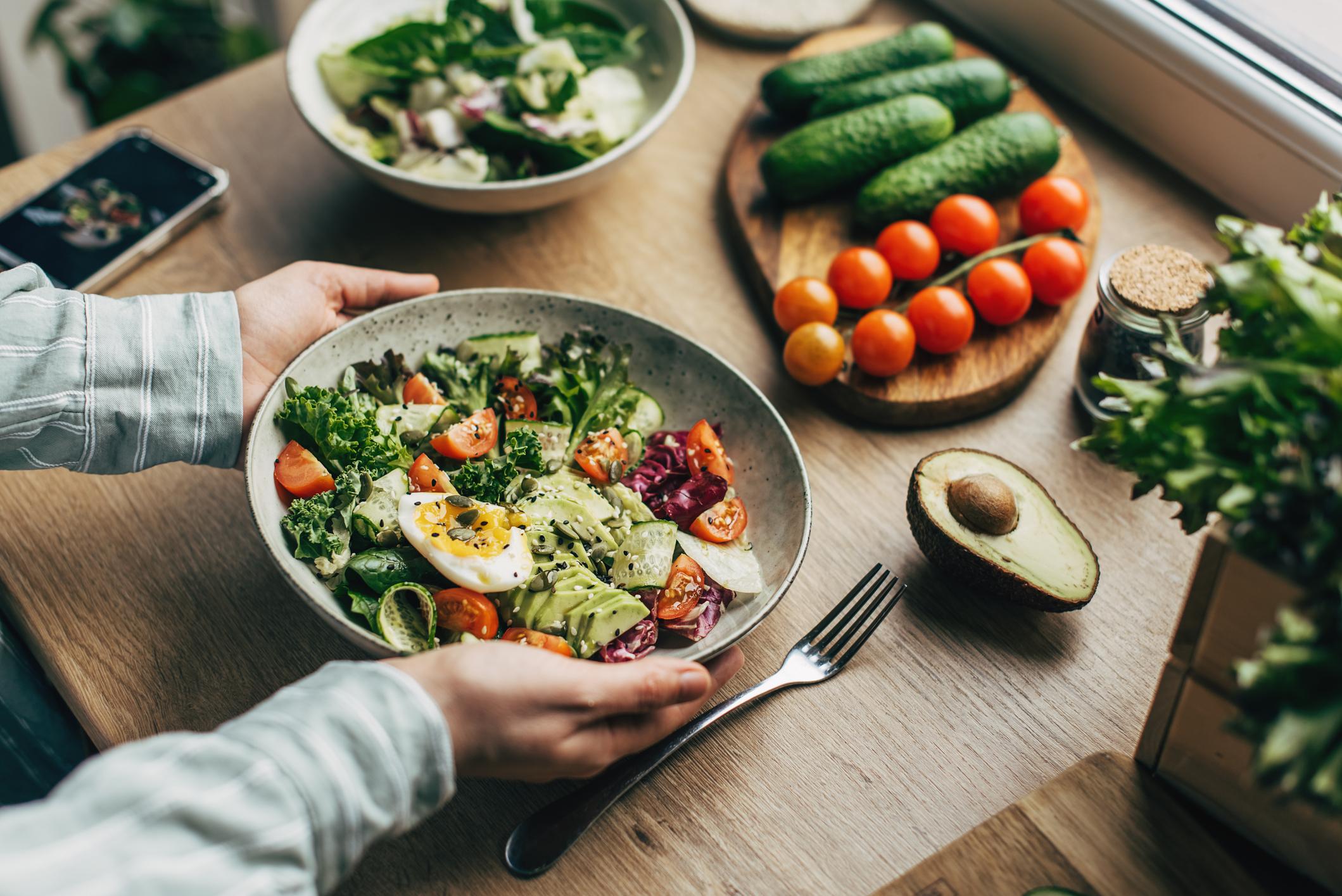
Quiz: When does food contribute to inflammation?
In this quiz, test your knowledge of which foods can nourish your body and help prevent disease, and which foods can play an inflammatory role in the body.
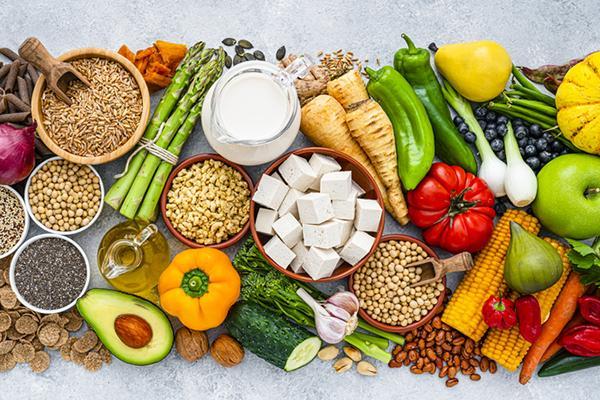
Healthier plant-based diet tied to lower risk of dementia
A 2026 study suggested that people who eat healthier plant-based diets, which prioritize whole grains, fruits, vegetables, and legumes, have a lower risk of developing dementia than people who eat a plant-based diet that includes more refined grains, fruit juices, and added sugars.
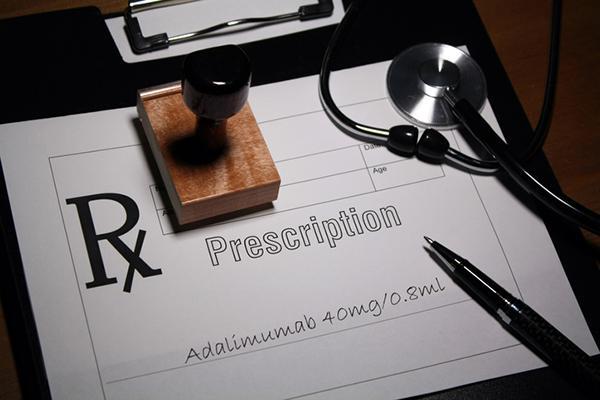
What are the long-term risks of taking the biologic treatment Humira?
Humira can control autoimmune disease, such as psoriatic arthritis. But it also alters immune defenses. Learn about infection, cancer, and other potential long‑term risks.
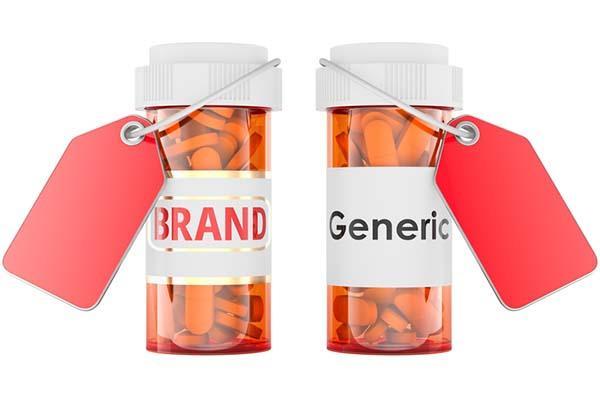
Could switching from Zoloft to generic sertraline explain weight gain?
Switching from a brand-name antidepressant to a generic can raise questions about side effect changes such as weight gain.
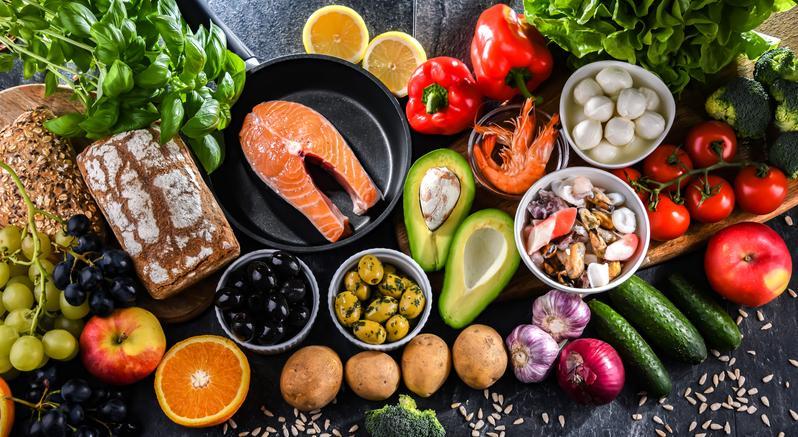
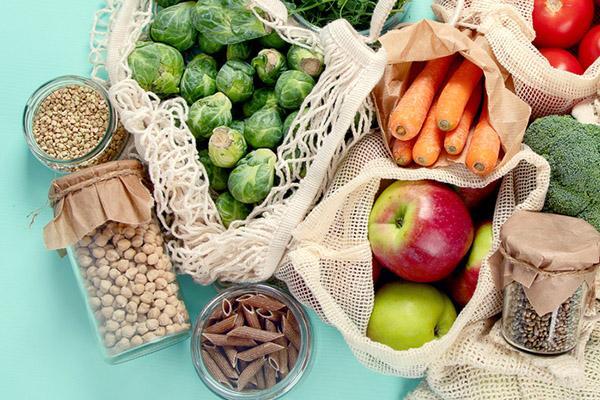
For a healthy diet, focus on food quality
Research suggests that when it comes to your overall health, opting for higher-quality, minimally processed foods over lower-quality, nutrient-poor foods is key—and perhaps even more important than the amounts or proportions of foods you eat. Small, consistent food swaps can make a big difference.

A practical guide to the Mediterranean diet
Making small, gradual changes to your eating habits and patterns is an easy way to incorporate the Mediterranean diet approach into your life.

4 essential nutrients — are you getting enough?
The latest update to the Dietary Guidelines for Americans states that many people are not getting enough of four essential nutrients: calcium, potassium, dietary fiber, and vitamin D. But how much of these nutrients should you aim for and what are some good sources for them?

Why eat lower on the seafood chain?
Cutting back on red meat and replacing it with poultry or seafood is a good choice because those are healthier sources of protein - and better for the environment. Choosing seafood that is lower on the food chain can amplify those benefits.

How much calcium do you really need?
500 to 700 milligrams of calcium through diet and 800 to 1,000 of vitamin D as a supplement should be adequate to preserve bone density.
Even a little exercise linked with lower stroke risk in people with afib
Testosterone therapy without evidence of deficiency may boost heart risk
Weight-loss drug may lower risk of heart attacks and infections
What to eat on the DASH diet
Migraine: How it's diagnosed and what that means
Tricep workouts you can do at home
Mindfulness practices to reduce stress and improve focus
Antihistamines may not offer meaningful relief from eczema symptoms
Overweight and taking blood pressure medications: Study finds it's a trend that's working
FDA approves first mRNA-based flu vaccine
Free Healthbeat Signup
Get the latest in health news delivered to your inbox!
Sign Up
