

Even a little exercise linked with lower stroke risk in people with afib

Testosterone therapy without evidence of deficiency may boost heart risk

Weight-loss drug may lower risk of heart attacks and infections

What to eat on the DASH diet

Migraine: How it's diagnosed and what that means

Tricep workouts you can do at home

Mindfulness practices to reduce stress and improve focus

Antihistamines may not offer meaningful relief from eczema symptoms

Overweight and taking blood pressure medications: Study finds it's a trend that's working

FDA approves first mRNA-based flu vaccine
Vitamins, minerals & supplements Archive
Articles

Beef tallow, seed oils, and full-fat dairy: Are any of them heart-healthy?
Foods that contain mainly saturated fat, such as beef tallow and butter, are less heart-healthy than those that contain mainly unsaturated fats, including olive oil and seed oils such as canola oil and soybean oil.
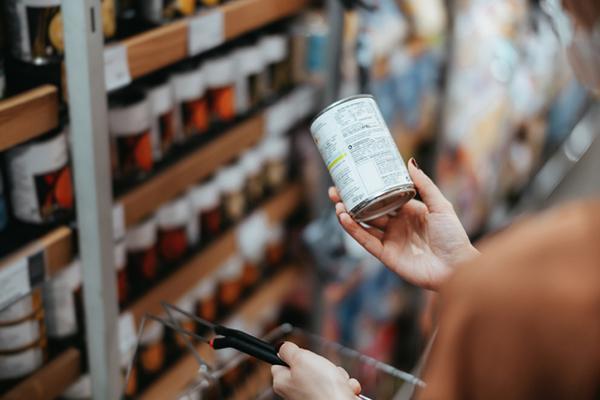
Harvard study links ultra-processed foods to higher rates of cognitive decline, dementia
A major Harvard study adds more evidence that a healthy diet may protect your brain. Older adults who ate the most ultra-processed foods were found to have substantially higher risks of dementia and cognitive decline, while those eating more minimally processed foods had lower risks.
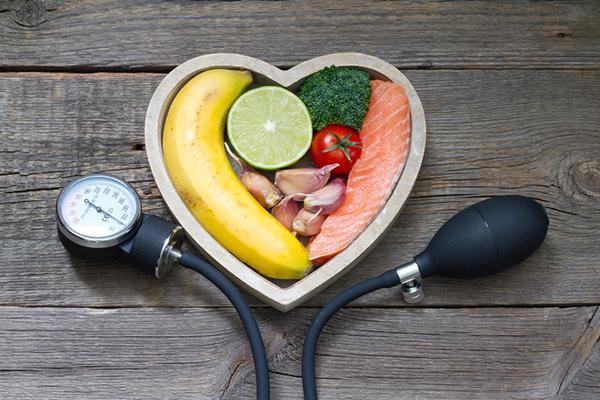
A guide to the DASH diet
The DASH diet is a flexible, science-backed eating plan proven to lower blood pressure, while also reducing risks of heart disease, diabetes, cancer, and cognitive decline. Emphasizing vegetables, fruits, whole grains, and low-fat dairy products, it’s a healthy way to eat that suits almost everyone.
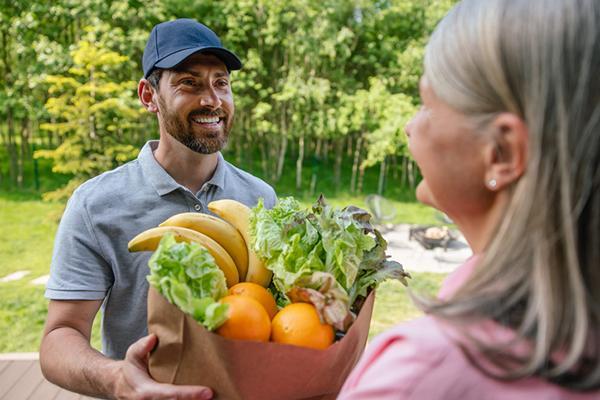
Are medically tailored meals right for you?
For people managing a chronic illness or recovery, medically tailored meals—home-delivered and dietitian-planned—can help. Research shows they improve health outcomes, reduce hospitalizations, and save billions in health care costs. Programs range from full meal delivery to grocery boxes and produce vouchers.
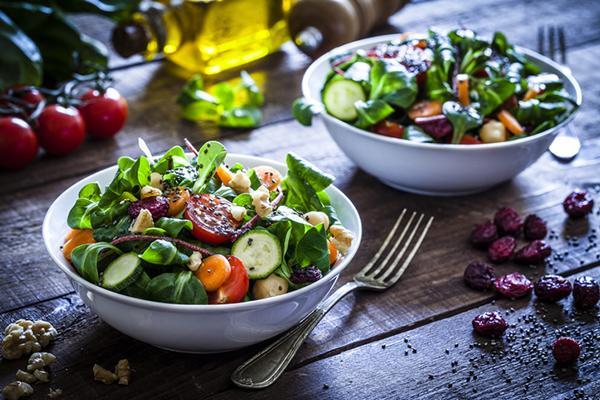
Prediabetes diet: How to help prevent progression to diabetes
A prediabetes diet is an eating plan that may help prevent prediabetes from turning into full-blown diabetes. Many different foods can fit into this style of eating, including fruits and vegetables, beans and legumes, lean proteins, whole grains, and healthy fats. While no foods are off-limits, prediabetes diets generally are low in sugary foods, refined carbohydrates, fast foods, fried foods, and alcohol.
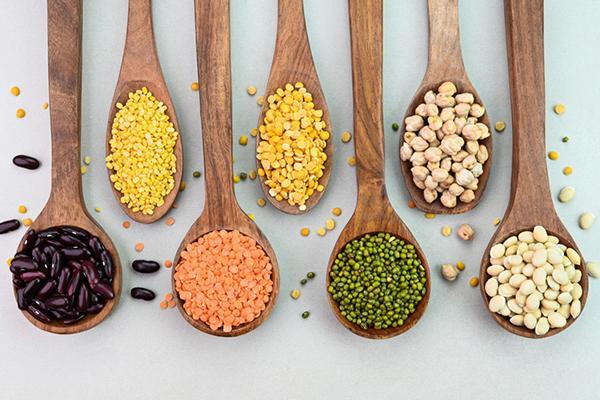
Eating more soy and other legumes might ward off high blood pressure
A 2026 research review and analysis suggested that consuming more soy products and other legumes was associated with a lower risk of developing high blood pressure.
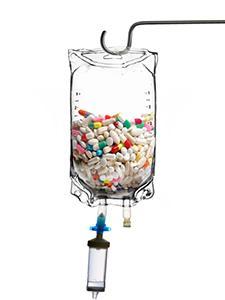
IV therapy for vitamin replenishment: Health boost or expensive placebo?
Intravenous (IV) vitamin therapy delivers vitamins, minerals, and fluids directly into the bloodstream. It is marketed as a quick fix for fatigue, immune health, and hangovers. But scientific evidence does not back up those claims, and IV therapy also poses risks.

Medication side effects that can mimic "getting older"
Some prescription and over-the-counter drugs produce side effects that resemble problems tied to aging, such as memory lapses, balance issues, or fatigue. Older adults are more sensitive to medication side effects because their body composition and metabolism change.

Ways to maximize your energy
People’s energy levels typically decrease later in life as a result of aging, illness, or other factors. Fortunately, a healthier lifestyle can boost energy. That involves eating a diet low in added sugars and processed foods, getting seven to nine hours of sleep each night, managing stress, getting lots of aerobic exercise, and strengthening the muscles. Using physical energy frugally is another useful strategy. For example, it helps to perform activities at a slow, steady pace instead of a fast pace; to break activities into small tasks instead of one large job; and to rest between tasks.
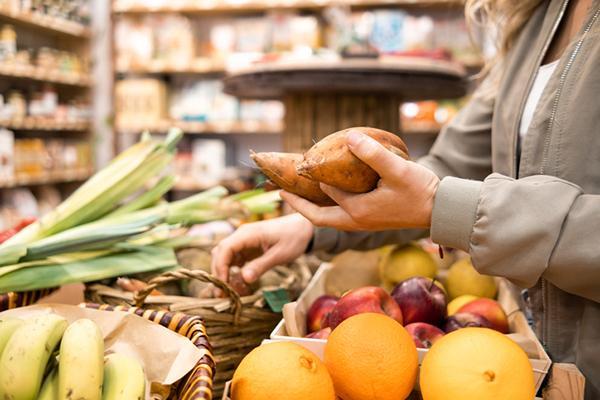
The best foods high in potassium — and why you need them
Most Americans fall short on their intake of potassium, a vital but overlooked nutrient. People can boost the level of potassium in their body by eating more plant foods, especially beans, potatoes, leafy greens, and fruit, and by cutting back on ultra-processed foods.
Even a little exercise linked with lower stroke risk in people with afib
Testosterone therapy without evidence of deficiency may boost heart risk
Weight-loss drug may lower risk of heart attacks and infections
What to eat on the DASH diet
Migraine: How it's diagnosed and what that means
Tricep workouts you can do at home
Mindfulness practices to reduce stress and improve focus
Antihistamines may not offer meaningful relief from eczema symptoms
Overweight and taking blood pressure medications: Study finds it's a trend that's working
FDA approves first mRNA-based flu vaccine
Free Healthbeat Signup
Get the latest in health news delivered to your inbox!
Sign Up
