

Even a little exercise linked with lower stroke risk in people with afib

Testosterone therapy without evidence of deficiency may boost heart risk

Weight-loss drug may lower risk of heart attacks and infections

What to eat on the DASH diet

Migraine: How it's diagnosed and what that means

Tricep workouts you can do at home

Mindfulness practices to reduce stress and improve focus

Antihistamines may not offer meaningful relief from eczema symptoms

Overweight and taking blood pressure medications: Study finds it's a trend that's working

FDA approves first mRNA-based flu vaccine
Vitamins, minerals & supplements Archive
Articles


How to increase appetite
Appetite tends to decline with age, but this can lead to unwanted weight loss and frailty. Tips to boost a weak appetite include eating smaller, more frequent meals; prioritizing protein; staying active; making meals social and pleasurable; and relaxing overly strict dietary rules.

What is the "gout diet"?
A plant-forward, varied diet can help people manage gout. Other helpful steps are to lose weight if needed, stay hydrated, avoid overeating and excessive alcohol, and take medications as prescribed. Small, sustainable changes can mean fewer flares and better quality of life.
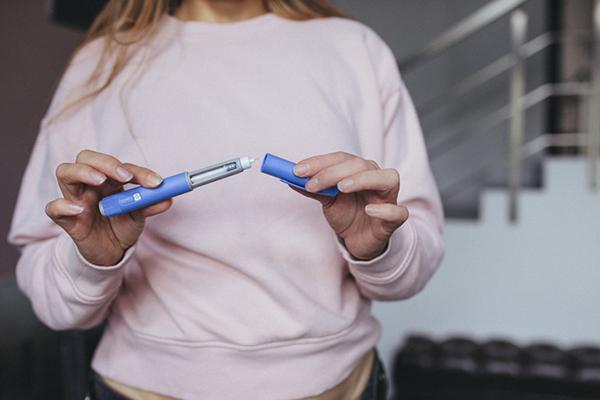
Study: Taking GLP-1 drugs may increase risk of key nutrient deficiencies
A 2026 review of six studies found that people with diabetes or obesity taking GLP-1 medications were prone to developing a number of nutrient deficiencies, particularly in vitamin D, iron, and B vitamins.
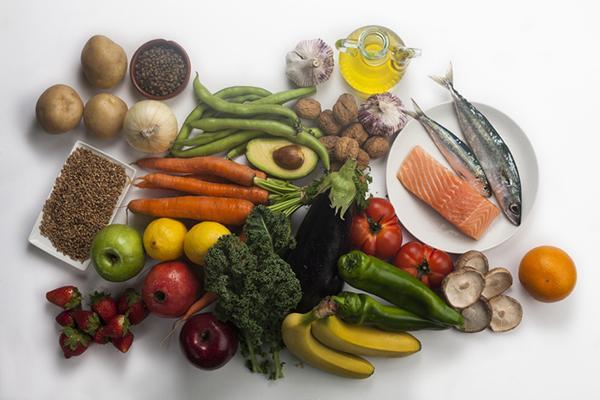
Harvard study: Six healthy diets linked with better long-term brain health
A Harvard study of over 159,000 people found that following any of six healthy diets-especially the DASH diet-was linked to significantly better cognitive function in later life, with the strongest benefits seen in those who were following a healthy diet in middle age.

Weaning off a GLP-1? Tips for the transition
Research suggests that people who stop taking GLP-1 weight-loss drugs typically regain all the weight they lost in under two years. To sustain their progress, these people should eat more protein, fiber, and healthy fats; eat on a consistent schedule; exercise; and prioritize sleep.

Want to try veganism? Here's how to get started
Some people decide to adopt a vegan diet because of concerns about the health effects of eating animal products; for others it's more about concern for animal welfare and the environment. Regardless of the motivation, those who want to make this change should anticipate potential pitfalls and be aware of issues specific to vegan eating.
Vitamin B6 flies under the radar: Are you getting enough?
Vitamin B6 helps with the body's enzyme reactions, immune system health, brain chemicals, and more, but it doesn't get a lot of attention. The body can't synthesize it, so people need to get it from food, and a recent study found that a surprisingly high percentage of people may be deficient in vitamin B6.
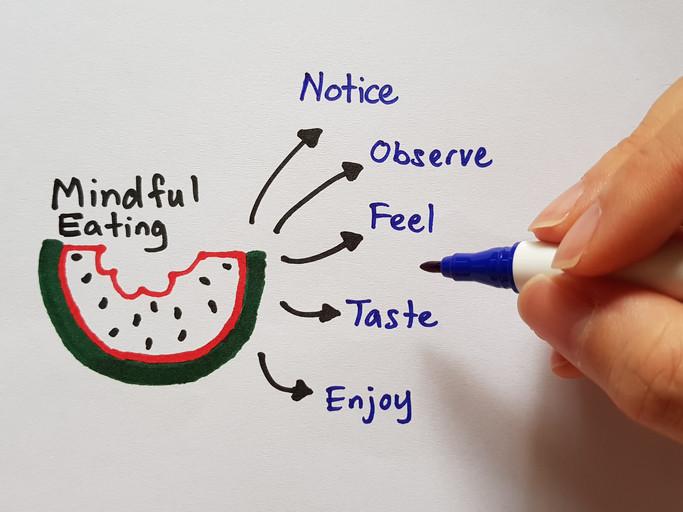
Overeating? Mindfulness exercises may help
It's possible to overeat and not even realize it until you've finished a meal and doing so does not mean you have an eating problem or disorder. Mindfulness exercises can help you slow down and enjoy eating, making it easier to avoid overeating.
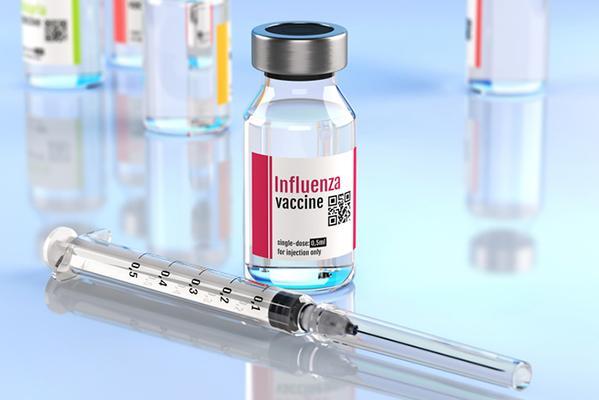
Is it safe to get the flu shot while taking certain asthma medications?
Learn how certain asthma medication affect your choices for the flu shot.
Even a little exercise linked with lower stroke risk in people with afib
Testosterone therapy without evidence of deficiency may boost heart risk
Weight-loss drug may lower risk of heart attacks and infections
What to eat on the DASH diet
Migraine: How it's diagnosed and what that means
Tricep workouts you can do at home
Mindfulness practices to reduce stress and improve focus
Antihistamines may not offer meaningful relief from eczema symptoms
Overweight and taking blood pressure medications: Study finds it's a trend that's working
FDA approves first mRNA-based flu vaccine
Free Healthbeat Signup
Get the latest in health news delivered to your inbox!
Sign Up
