

Even a little exercise linked with lower stroke risk in people with afib

Testosterone therapy without evidence of deficiency may boost heart risk

Weight-loss drug may lower risk of heart attacks and infections

What to eat on the DASH diet

Migraine: How it's diagnosed and what that means

Tricep workouts you can do at home

Mindfulness practices to reduce stress and improve focus

Antihistamines may not offer meaningful relief from eczema symptoms

Overweight and taking blood pressure medications: Study finds it's a trend that's working

FDA approves first mRNA-based flu vaccine
Vitamins, minerals & supplements Archive
Articles
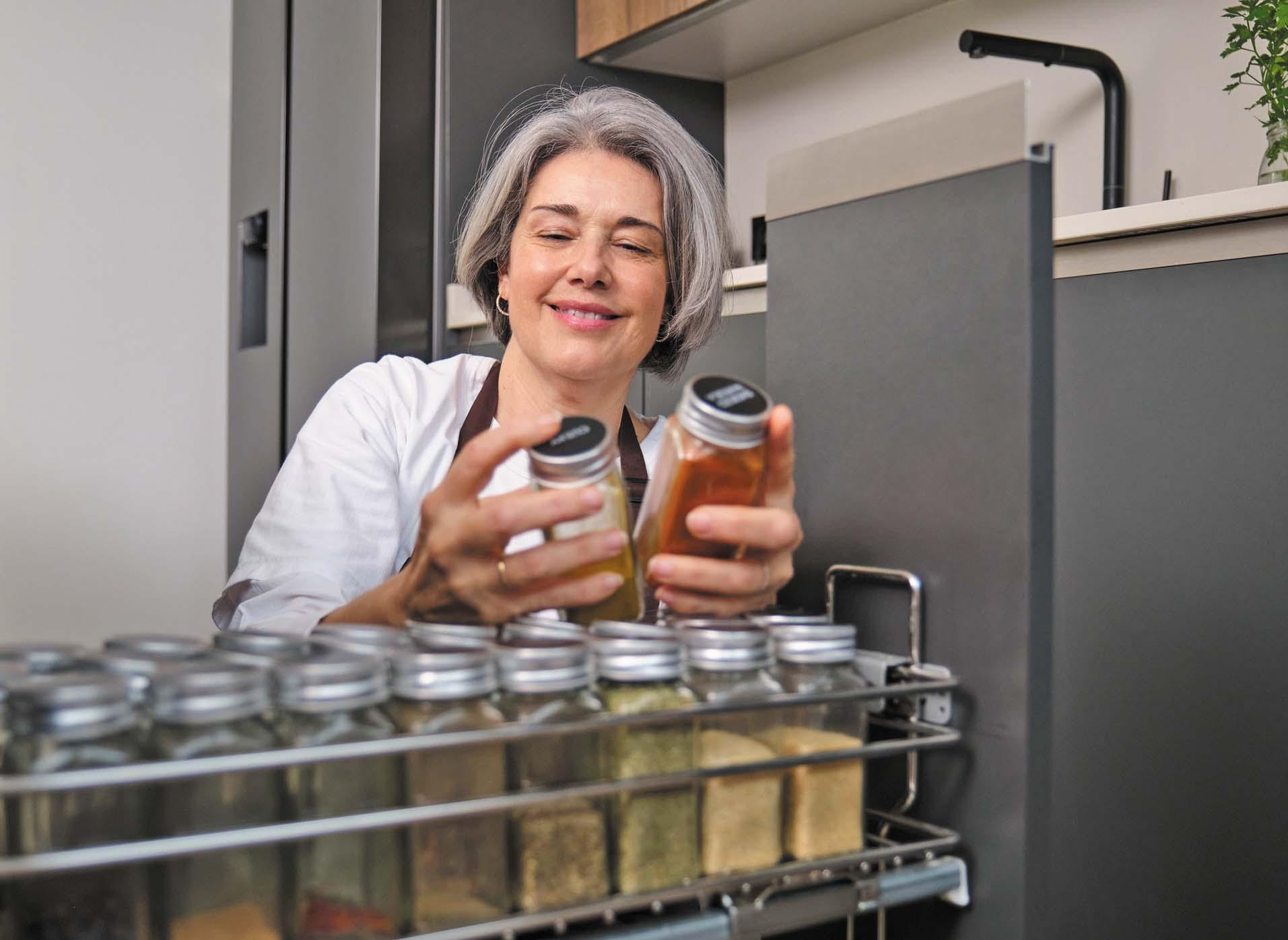
Spice up your holidays
Many spices inhibit damaging inflammation that can cause or worsen a variety of chronic diseases. Four beloved holiday spices-cinnamon, cloves, ginger, and turmeric-boast a variety of health benefits, but need to be used liberally to maximize the effects. People can challenge their palates to use more spices all year long by trying new recipes, testing spices in restaurant or ready-made meals, and bringing spice-laden dishes their ancestors once enjoyed to their own tables.

Ultra-processed foods linked to poor health outcomes
A 2025 study suggests that eating higher amounts of ultra-processed foods such as chips, frozen pizza, cereal, and other prepackaged items high in unhealthy fats, sugar, and sodium is linked to a host of health problems.

Try this: Light therapy
Light therapy uses light boxes that emit a bright, white light. Exposure to this light can control a person's circadian rhythm-the body's internal 24-hour sleep-wake clock-and help manage and prevent seasonal affective disorder.
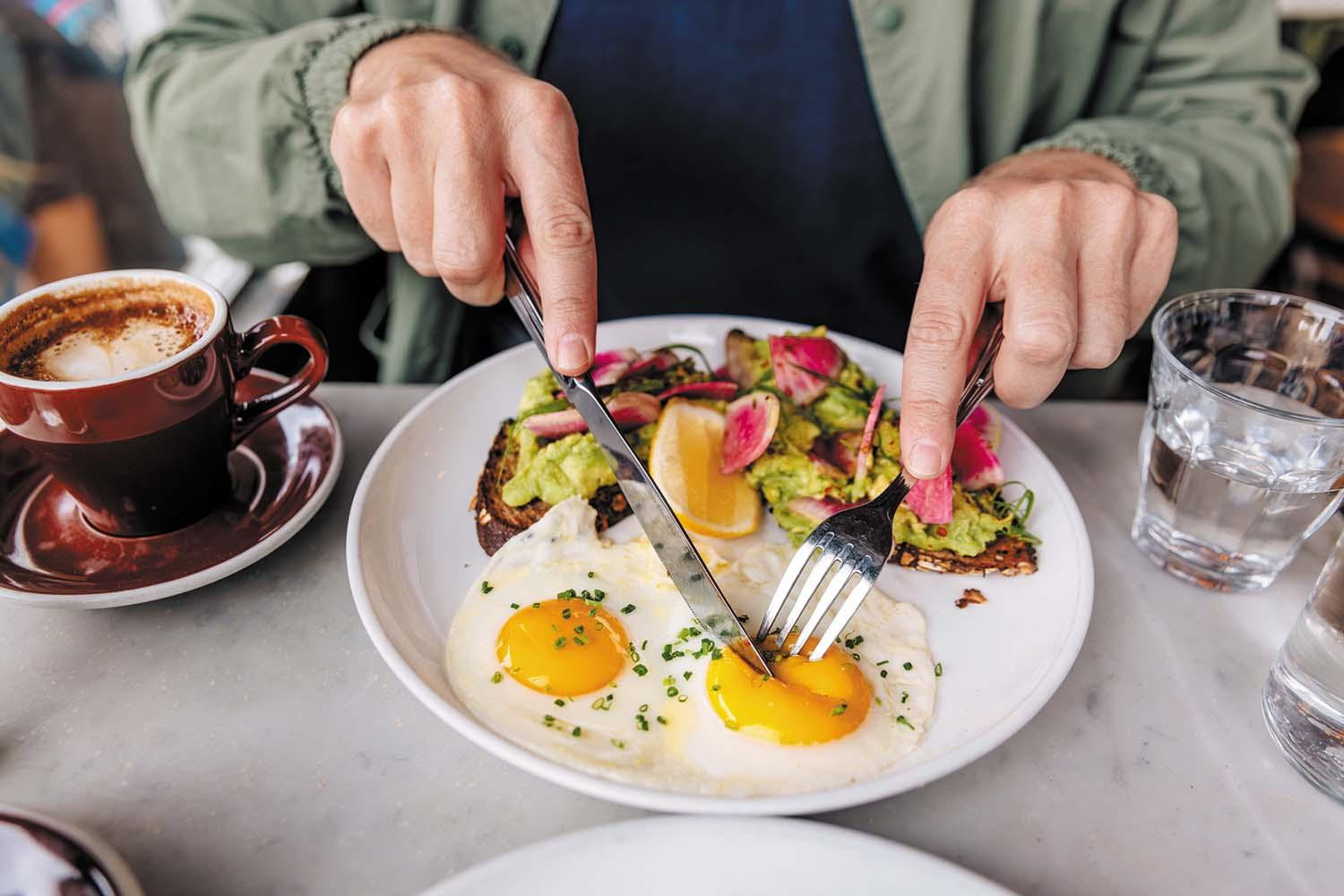
Eggs have less effect than saturated fats on cholesterol levels
A 2025 study found that eating large amounts of saturated fat raised LDL (andamp;ldquo;bad") cholesterol levels in the body but dietary cholesterol from eggs did not.
What do vaginal probiotics do?
Vaginal probiotics contain live microorganisms and come in oral and suppository forms. Some ads claim these products can prevent or treat infections. But the vagina regulates its own bacterial mix, so vaginal probiotics aren't necessary.
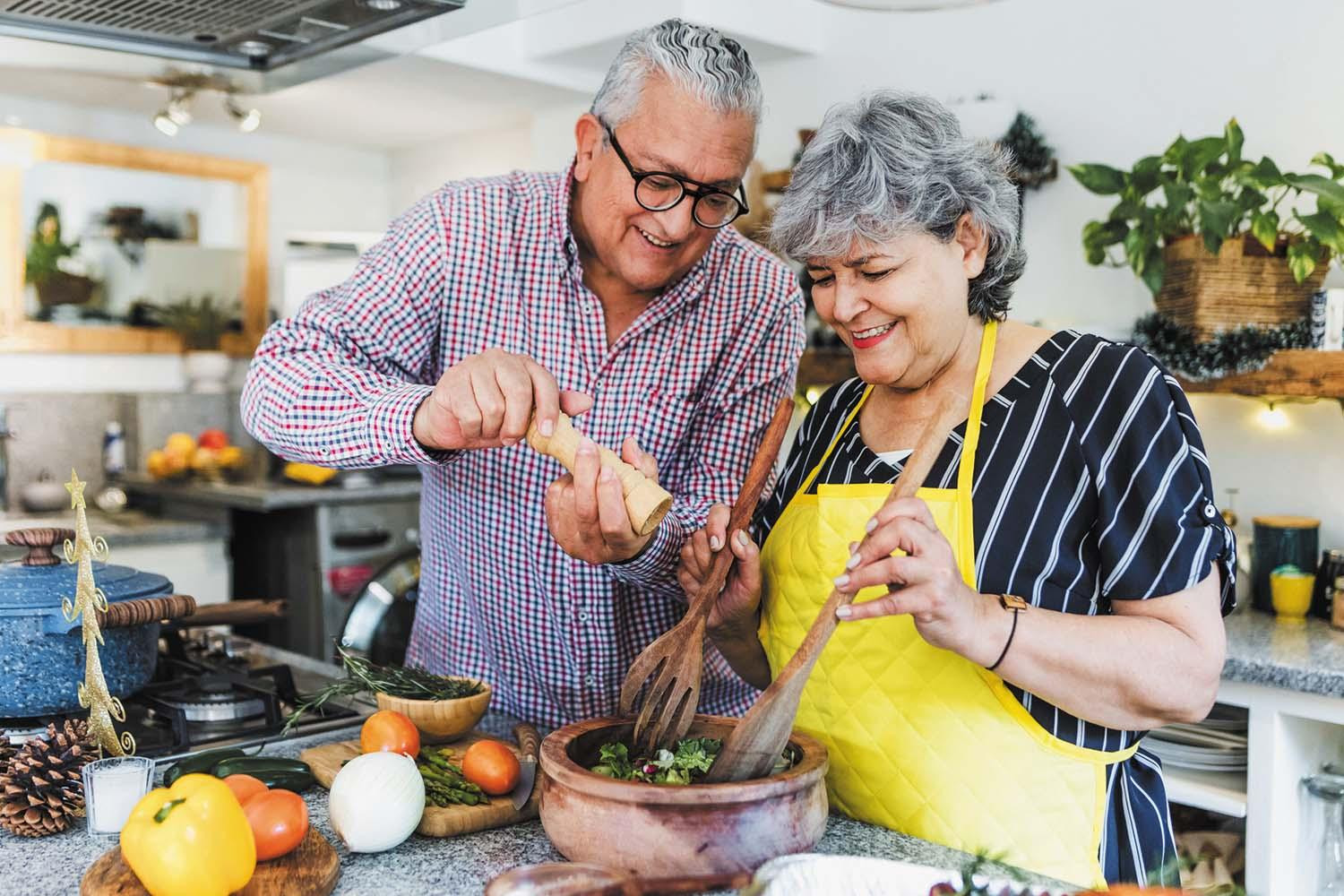
6 new terms for healthy eating
The trend toward eating plant-rich diets has led to a number of new dietary terms and buzzwords. Examples include the terms "plant-forward," which describes the shift toward the gradual incorporation of more plant foods into the diet; "plant-based protein," used for foods that contain a high amount of protein, even some processed foods; and "sustainable eating," whichrefers to the big picture of food choices and how they can help sustain the environment, the planet, and health.
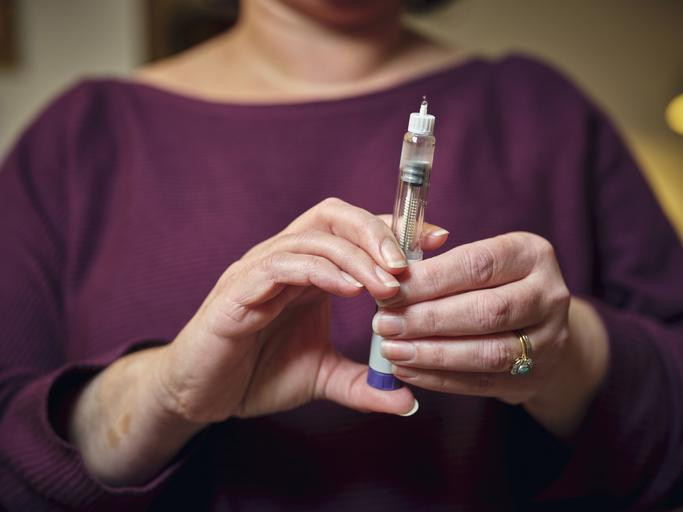
Do GLP-1 drugs reduce inflammation?
In a 2025 study of nearly a million people with diabetes, those who took GLP-1 drugs had a reduction of 10% to 20% in heart failure, cardiac arrest, lung failure and pneumonia, and dementia, compared with people who took other diabetes medications.
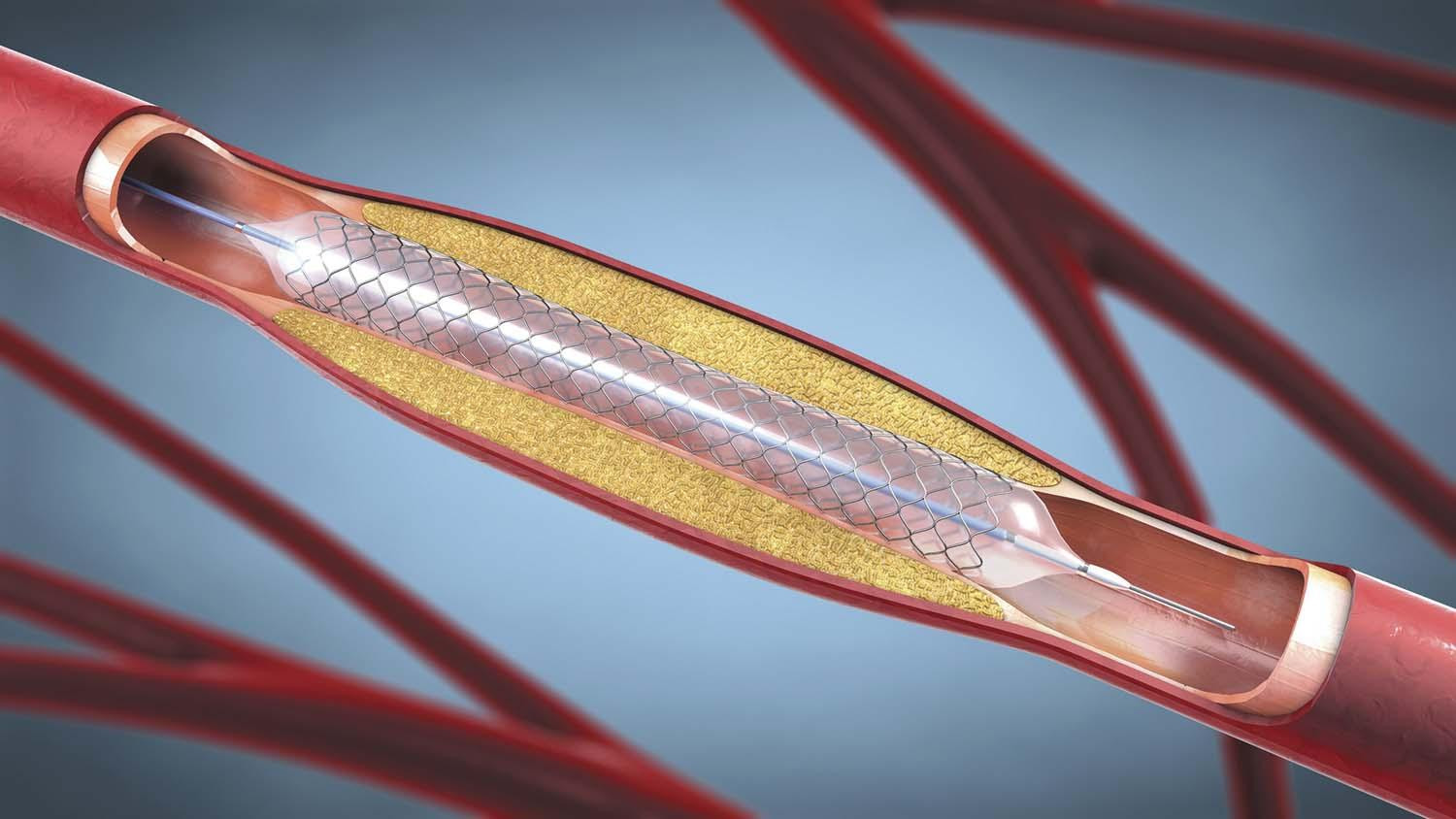
When do you really need an angioplasty and stenting?
Coronary artery disease, the most common form of heart disease, occurs when cholesterol-laden debris narrows the arteries that supply blood to the heart. It is treated with lifestyle changes and medications. However, sometimes people also need a procedure called angioplasty to open a blocked or narrowed artery to improve blood flow to the heart, along with insertion of a stent to hold it open. Most people need this if they experience a heart attack or unstable angina, when chest discomfort occurs repeatedly and unexpectedly, often at rest.
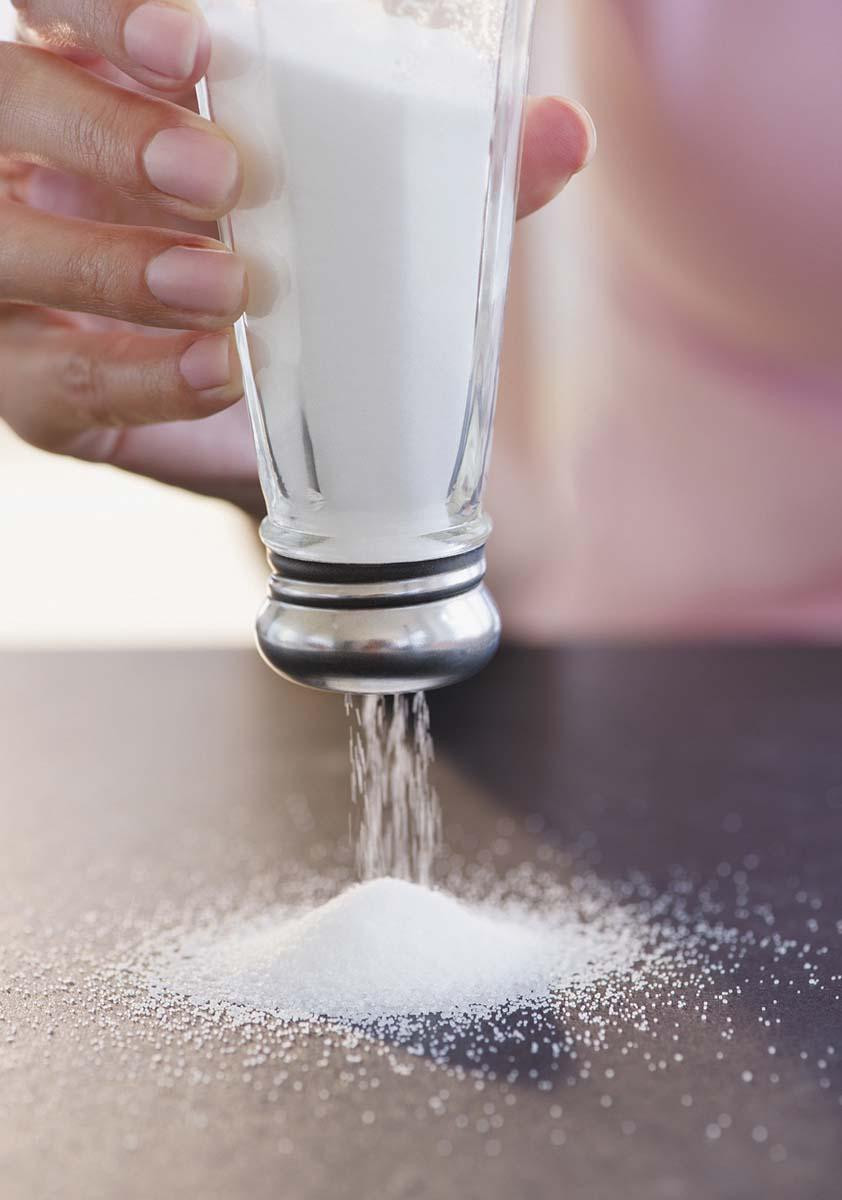
Shake the salt habit
Salt intake fuels high blood pressure, which is the top risk factor for cardiovascular disease. Sodium is hidden in many everyday foods, including bread, sauces, condiments, cereal, rice, pasta, and processed items such as canned soups, deli meats, and frozen meals. People can cut back on salt by reading food labels, rinsing canned goods, cooking at home more often, and using other seasonings instead.

Peace of mind, or panic?
The vast majority of older adults would want to know if they're in the early stages of Alzheimer's disease and would want a blood test to learn for certain, according to a 2025 poll. Advances in testing and treatment may fuel this desire for knowledge. There are pros and cons to knowing this information. People with an early Alzheimer's diagnosis can plan ahead, seek support, and may feel motivated to maintain their health. But the diagnosis may jeopardize their job or insurance coverage, as well as trigger anxiety or depression.
Even a little exercise linked with lower stroke risk in people with afib
Testosterone therapy without evidence of deficiency may boost heart risk
Weight-loss drug may lower risk of heart attacks and infections
What to eat on the DASH diet
Migraine: How it's diagnosed and what that means
Tricep workouts you can do at home
Mindfulness practices to reduce stress and improve focus
Antihistamines may not offer meaningful relief from eczema symptoms
Overweight and taking blood pressure medications: Study finds it's a trend that's working
FDA approves first mRNA-based flu vaccine
Free Healthbeat Signup
Get the latest in health news delivered to your inbox!
Sign Up
