

Even a little exercise linked with lower stroke risk in people with afib

Testosterone therapy without evidence of deficiency may boost heart risk

Weight-loss drug may lower risk of heart attacks and infections

What to eat on the DASH diet

Migraine: How it's diagnosed and what that means

Tricep workouts you can do at home

Mindfulness practices to reduce stress and improve focus

Antihistamines may not offer meaningful relief from eczema symptoms

Overweight and taking blood pressure medications: Study finds it's a trend that's working

FDA approves first mRNA-based flu vaccine
Vitamins, minerals & supplements Archive
Articles

Harvard and CDC study: Serious side effects from semaglutide are uncommon
In a 2025 study, researchers estimated that fewer than four emergency department visits attributed to semaglutide (Ozempic, Wegovy) occurred for every 1,000 patients taking the drug in 2022 and 2023. Most of the visits were related to gastrointestinal problems.

Exercise can reduce fall risk among older women taking multiple medications
A 2025 study suggested that a structured exercise plan can significantly reduce the risk of falls among older women who take multiple medications.

Diets rich in plant-based foods linked to healthy aging
Following a mostly plant-based diet starting in middle age can boost a person's odds of healthy aging, defined as reaching age 70 free from chronic disease while also maintaining cognitive, physical, and mental health, according to a 2025 study.

Pill form of popular weight-loss drug lowers heart risks
A 2025 study found that a pill version of the drug semaglutide, marketed as Rybelsus, can lower the risk for serious heart problems in people who have diabetes as well as cardiovascular disease, kidney disease, or both.

Do you have metabolic syndrome?
Metabolic syndrome is defined as having at least three of the following: abdominal obesity, high blood triglyceride levels, high blood pressure, high blood sugar levels, and low HDL cholesterol levels. The condition significantly increases the risk for cardiovascular disease, diabetes, kidney disease, fatty liver disease, and sleep apnea. While each factor is problematic, the main driver is abdominal obesity, from visceral fat surrounding internal organs. The best way to reduce visceral fat is aerobic exercise, strength training, and a plant-based diet.

Popular no-calorie sweetener may increase hunger
In a 2025 study, researchers found that many people who drank water containing the no-calorie sweetener sucralose (Splenda) had increased appetite and cravings compared with those who drank water sweetened with table sugar or plain water.

Does hormone therapy delay menopause?
Using hormone therapy, which involves taking estrogen and sometimes progesterone, doesn't stop or slow the approach of menopause. The arrival of menopause is determined by women's ovaries, not by the amount of these hormones in the body.
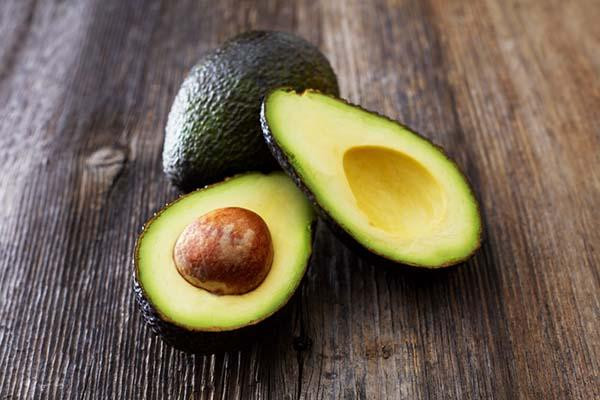

What can magnesium do for you and how much do you need?
Magnesium is a mineral the human body needs to function properly - especially for a healthy cardiovascular system, nerves, muscles, and bones - though the benefits of supplements are largely oversold. While most people get enough magnesium from their diet, in certain instances people should take a supplement.

Even a little exercise linked with lower stroke risk in people with afib
Testosterone therapy without evidence of deficiency may boost heart risk
Weight-loss drug may lower risk of heart attacks and infections
What to eat on the DASH diet
Migraine: How it's diagnosed and what that means
Tricep workouts you can do at home
Mindfulness practices to reduce stress and improve focus
Antihistamines may not offer meaningful relief from eczema symptoms
Overweight and taking blood pressure medications: Study finds it's a trend that's working
FDA approves first mRNA-based flu vaccine
Free Healthbeat Signup
Get the latest in health news delivered to your inbox!
Sign Up
