Prediabetes diet: How to help prevent progression to diabetes
COPD symptoms: How to spot them early
Many older adults get health information from self-defined experts online

Routine cancer screenings for older adults: Mammograms, colonoscopies, PSA tests, and more
How PMOS (once called PCOS) affects women after menopause
Eating more soy and other legumes might ward off high blood pressure

Surgery for a torn meniscus appears to offer no benefit

AI in healthcare: Can a chatbot answer your medical questions?

Increasing daily steps may boost surgical recovery
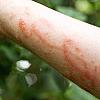
Poison ivy rash: Symptoms, treatment, and prevention
Vision Archive
Articles
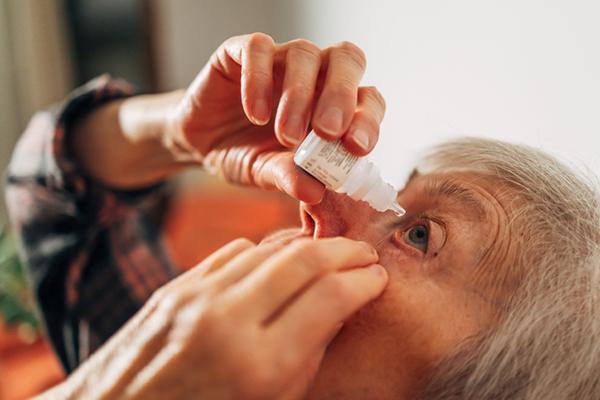
Red eyes, dry eyes, and more: Top questions for your eye doctor
The most common questions people ask eye doctors focus on common eye symptoms such as burning and redness; choosing reading glasses; using tinted glasses for night driving; and ways to preserve eye health.

Eating more fish may help prevent macular degeneration
A study pooling data from more than 180,000 adults found that consuming more omega-3 fats (as found in fatty fish) was linked to 18% lower odds of age-related macular degeneration (AMD). Regularly eating omega-3-rich seafood may be a reasonable strategy for reducing the risk of AMD.
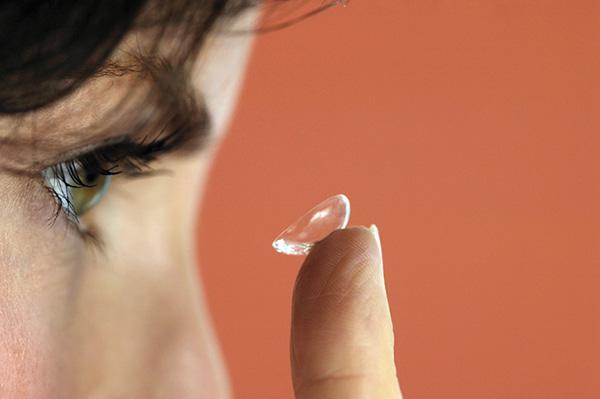
Can I wear contacts after age 50?
In middle and older age, dry eyes and poor close-up vision can make it harder to wear contact lenses. Multifocal or monovision lenses, eye drops, and certain lens materials can help keep contacts comfortable and reduce the need for reading glasses.
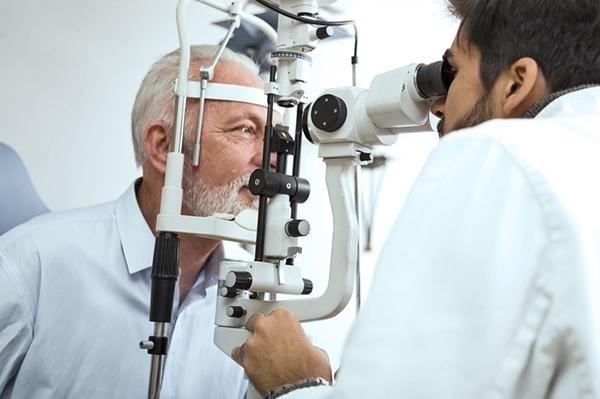
Eye care in an emergency
For many eye emergencies, it’s best to call an ophthalmologist for an initial assessment and instructions about next steps. It is better to go to an emergency department for significant eye injuries or sudden vision loss.
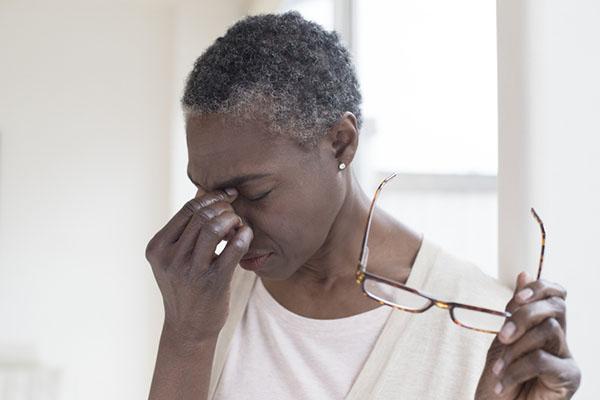
Coping with dry eyes
Dry eye disease is broken down into two types: In aqueous-deficient dry eye, the eyes don't produce enough tears. In evaporative dry eye (sometimes called meibomian gland dysfunction) there are enough tears, but they're unstable and evaporate too quickly. Dry eye symptoms include eyes that feel gritty, sandy, stinging, burning, scratchy, tired, or sensitive to light. People with symptoms often forgo seeing a doctor. Artificial tears are an effective starting point for many cases of dry eye.

What can I do about poor night vision?
Poor night vision could be caused by an outdated eyeglass prescription or an eye condition, such as dry eye, cataracts, or age-related macular degeneration. People should see an eye care specialist for a complete eye exam to check for these issues.
Prediabetes diet: How to help prevent progression to diabetes
COPD symptoms: How to spot them early
Many older adults get health information from self-defined experts online
Routine cancer screenings for older adults: Mammograms, colonoscopies, PSA tests, and more
How PMOS (once called PCOS) affects women after menopause
Eating more soy and other legumes might ward off high blood pressure
Surgery for a torn meniscus appears to offer no benefit
AI in healthcare: Can a chatbot answer your medical questions?
Increasing daily steps may boost surgical recovery
Poison ivy rash: Symptoms, treatment, and prevention
Free Healthbeat Signup
Get the latest in health news delivered to your inbox!
Sign Up