
Why do I sweat so much?
Walking pneumonia: The "mild" illness that can still pack a punch
Tai chi walking: What is it and does it work?

What causes knee pain: How doctors make a diagnosis
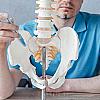
Sacroiliac joint pain: Causes, symptoms, and exercises that help
Where you carry excess weight matters in predicting heart disease risk
Study: At-home colorectal cancer screening may significantly cut colon cancer deaths

Fatty liver disease: Should you be tested?

Even a little exercise linked with lower stroke risk in people with afib

Testosterone therapy without evidence of deficiency may boost heart risk
Vision and hearing Archive
Articles

The trouble with new drugs
After a drug is approved by the FDA, unexpected safety problems may be discovered. Depending on the level of concern, different safety warnings may be issued –– including a black box warning designed to call attention to serious or life-threatening side effects.

The BEEP program: Keep your balance
As people get older, the complex system that helps them maintain balance does not work as effectively, increasing the risk of a fall. A study found that specific exercises can improve balance in older adults.

Step up your walking fitness
People who walk for their primary form of exercise, or even just for recreation, need to make sure they stay in good walking shape to avoid injuries and improve their endurance. Adopting a cross-training routine that focuses on strengthening the legs, hips, and core can keep walkers in tip-top shape.


Let's go nuts
Nuts contain healthy unsaturated fats, protein, and important nutrients like potassium, and there is ample evidence that eating nuts regularly helps protect against heart disease.

Short on slumber
Most adults need seven to nine hours of sleep each night, but more than one-third consistently sleep fewer than seven. Reasons for poor sleep include pregnancy, menopausal night sweats, medication use, sleep disorders, and various illnesses. Sleep deprivation can raise the risks for such conditions as diabetes, certain cancers, obesity, dementia, depression, and heart disease. To promote sounder sleep, people can keep consistent sleep-wake schedules, reduce intake of caffeine and alcohol, and avoid using electronic devices before bed.

At-home tests: Help or hindrance?
Many people have used at-home medical tests to detect COVID-19. Other home tests are available that can screen for, diagnose, and monitor dozens of health conditions, including pregnancy, infections, cholesterol and blood sugar levels, and colorectal cancer. The tests are accessible and convenient, and results may spur people to seek necessary treatment. But test results may be inaccurate or confusing, provoking unneeded or risky further testing or treatment. People should tell their doctors if they use at-home medical tests.

A closer look at good cholesterol
Doctors concentrate on helping men lower their blood levels of low-density lipoprotein (LDL), or "bad" cholesterol, to lower their risk of cardiovascular disease. Lower HDL levels are associated with higher cardiovascular risk. This may be related to HDL's role in helping to remove excess cholesterol in arteries that can lead to plaque buildup and increase the risk of heart attacks and strokes. However, no specific therapies to raise HDL levels have improved outcomes.

Taking up adaptive sports
People with disabilities or physical limitations can still stay active and get the recommended amount of exercise by participating in adaptive sports and activities. These often run parallel to traditional endeavors but are modified to support an individual's needs. Popular choices include cycling, skiing, archery, kayaking, rowing, tennis, bowling, swimming, basketball, and golf.

Can eating potassium-rich foods lower my blood pressure?
When it comes to managing high blood pressure, the average American consumes too much sodium and too little potassium. Reversing this imbalance could help control high blood pressure which could, in turn, lead to fewer heart attacks, strokes, and deaths from heart disease.
Why do I sweat so much?
Walking pneumonia: The "mild" illness that can still pack a punch
Tai chi walking: What is it and does it work?
What causes knee pain: How doctors make a diagnosis
Sacroiliac joint pain: Causes, symptoms, and exercises that help
Where you carry excess weight matters in predicting heart disease risk
Study: At-home colorectal cancer screening may significantly cut colon cancer deaths
Fatty liver disease: Should you be tested?
Even a little exercise linked with lower stroke risk in people with afib
Testosterone therapy without evidence of deficiency may boost heart risk
Free Healthbeat Signup
Get the latest in health news delivered to your inbox!
Sign Up
