

Why do I sweat so much?

Walking pneumonia: The "mild" illness that can still pack a punch
Tai chi walking: What is it and does it work?

What causes knee pain: How doctors make a diagnosis
Sacroiliac joint pain: Causes, symptoms, and exercises that help

Where you carry excess weight matters in predicting heart disease risk
Study: At-home colorectal cancer screening may significantly cut colon cancer deaths
Fatty liver disease: Should you be tested?

Even a little exercise linked with lower stroke risk in people with afib

Testosterone therapy without evidence of deficiency may boost heart risk
Vision and hearing Archive
Articles

The dark side of daylight saving time
The start of daylight saving time in the spring can have a profound impact on people's well-being. Moving the clock ahead one hour can cause sleep deprivation, affect focus and concentration, and exacerbate existing problems like depression, anxiety, and seasonal affective disorder. People can lessen the effect by taking steps a week prior to the time change, such as adjusting their sleep schedule, getting more light exposure, and cutting back on caffeine and alcohol.

Watch out for bogus supplement claims
In November 2022, the FDA called out seven supplement companies for illegally claiming their products could treat or prevent cardiovascular disease, such as atherosclerosis or heart failure.

Pondering a new knee? Try this as you gear up for the decision
People with knee arthritis who don't feel ready for joint replacement can take a number of steps as they ponder the possibility. These include getting knee injections or wearing a brace to reduce pain, modifying activities (such as exercise) that aggravate knee pain, losing weight to take pressure off the knee joint, exercising more to help with weight control, seeking physical therapy, getting underlying health conditions under control, doing research about knee replacement, and talking to an orthopedic surgeon.

Shift work can harm sleep and health: What helps?
Mounting evidence paints a worrisome picture of the potential health consequences of nontraditional shift work schedules. So how can people who are required to work during the night and sleep during the day protect their health and well-being?

What makes your heart skip a beat?
The human heart normally keeps a predictable pace, but occasionally you might notice a sensation that feels like your heart is racing, fluttering, or has skipped a beat. While this can be alarming, it's usually not a cause for concern.

Short bursts of exercise may offer big health benefits
Performing at least 15 minutes of vigorous exercises per week, which includes several short bouts lasting up to two minutes, may lower a person's risk of heart disease, cancer, and early death.

Healthy gut, healthy heart
The gut is home to trillions of microbes, collectively known as the gut microbiota, which help with digestion, manufacture certain nutrients, and release various substances that have wide-ranging health effects, including on cardiovascular health. As diet plays a significant role in the composition of the gut microbiota, people's diet can indirectly affect heart health. Following a plant-based diet that emphasizes less red meat and more fiber can support the gut and its heart-healthy benefits.
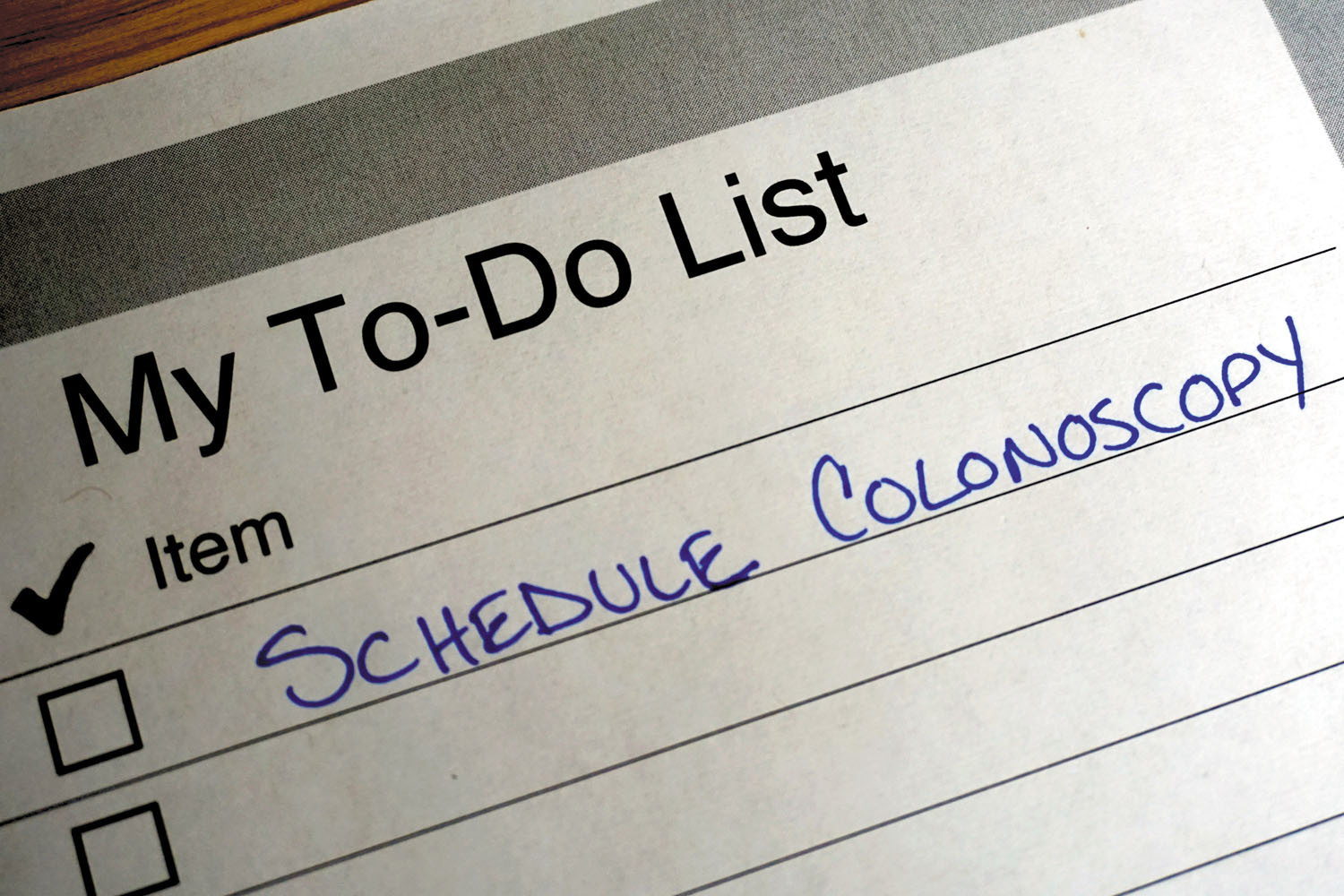
Do I still need a colonoscopy?
A 2022 study led to questions regarding whether colonoscopy is the best strategy to reduce the risk of death from colon cancer. But overwhelming evidence supports the procedure for lowering the risk of colon cancer and related death, and experts continue to recommend people at average risk get at least one colonoscopy beginning at age 45.

Guide to starting a strength training program
Most men will lose about 30% of their muscle mass over their lifetimes, a natural process called sarcopenia. But no matter a man's age, he can still build and maintain muscle with strength training. Strength training consists of upper- and lower-body exercises using free weights, weight machines, resistance bands, or body weight. Hiring a personal trainer who can design an individual program and teach proper exercise techniques and form is an ideal first step for beginners and those returning to exercise.

What's keeping you from getting a good night's sleep?
Sleep is the body's time for restoration and recuperation. It's when toxins are flushed out of the brain, tissue is repaired, muscles grow, memories are consolidated, and hormones are released. Over time, getting too little sleep or fragmented sleep impairs concentration and mood and increases the risks for many chronic diseases. It helps to try to identify and address factors that may be interrupting sleep, such as snoring bed partners, alcohol, heartburn, underlying health conditions, an uncomfortable sleeping environment, or medication side effects.
Why do I sweat so much?
Walking pneumonia: The "mild" illness that can still pack a punch
Tai chi walking: What is it and does it work?
What causes knee pain: How doctors make a diagnosis
Sacroiliac joint pain: Causes, symptoms, and exercises that help
Where you carry excess weight matters in predicting heart disease risk
Study: At-home colorectal cancer screening may significantly cut colon cancer deaths
Fatty liver disease: Should you be tested?
Even a little exercise linked with lower stroke risk in people with afib
Testosterone therapy without evidence of deficiency may boost heart risk
Free Healthbeat Signup
Get the latest in health news delivered to your inbox!
Sign Up
