Driving with arthritis pain: Stay comfortable — and safe — behind the wheel

Daily cup of coffee may prevent afib recurrence
Gene-editing therapy lowers harmful blood fats in early study

What is EMDR therapy, and who can it help?
GLP-1 drugs versus bariatric surgery for treating obesity

Two dumbbells, three exercises, and 10 minutes

Easing the emotional burden of IBS

Modify your push-ups to meet your fitness level
What is long QT syndrome?
Stroke survivors may benefit from very low LDL levels
Vaccinations Archive
Articles

Measles is making a comeback: Can we stop it?
In the US, widespread vaccination halted the ongoing spread of measles more than 20 years ago, but recent outbreaks have flared in over 20 US states, leading to hospitalizations and at least two deaths. Measles is highly preventable — here’s what you need to know.
What are the early warning signs of cervical cancer?
Early signs of cervical cancer can include blood-tinged vaginal discharge, heavier discharge than usual, spotting or bleeding between periods, menstrual flow that’s heavier or lasts longer than usual, bleeding or pain during or after intercourse, and vaginal bleeding after menopause.
A Christmas Eve memory: Science leads to cures
Science has made astonishing progress in the past 60 years in many areas. Examples include the ability to repair certain defective genes, use stem cells to treat certain diseases, detect and fight many cancers, fight viruses with medications, make organ transplants work, and prevent disease with vaccines and lifestyle changes. Thanks to technological advances, doctors can also see clearly inside the body and use artificial intelligence to speed the development of new medications.
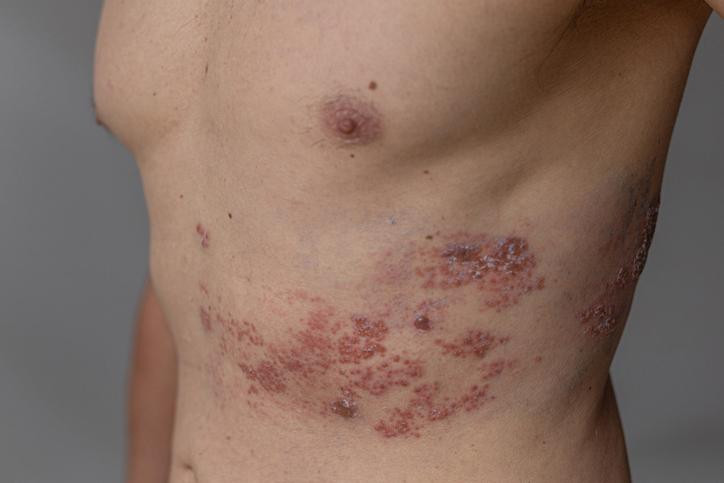
What to do if you have — or suspect you have — shingles
Shingles occurs when the dormant chickenpox virus reactivates, causing tingling, burning, and a painful, blistering rash. Shingles can affect anyone who has had chickenpox, with higher risk after age 50 and in people with weakened immunity. Diagnosis and treatment within three days of the rash appearing can shorten the illness and reduce severity. Most people recover completely from shingles, but there may be complications, such as post-herpetic neuralgia, which is pain that can be severe and long-lasting. Vaccination is the best way to prevent shingles and its complications.

Respiratory syncytial virus (RSV) tied to heart problems
A 2025 study suggests that respiratory syncytial virus (RSV) can lead to heart-related complications, such as a heart attack, chronic heart failure, or an irregular heartbeat—even in people without a previous heart condition.
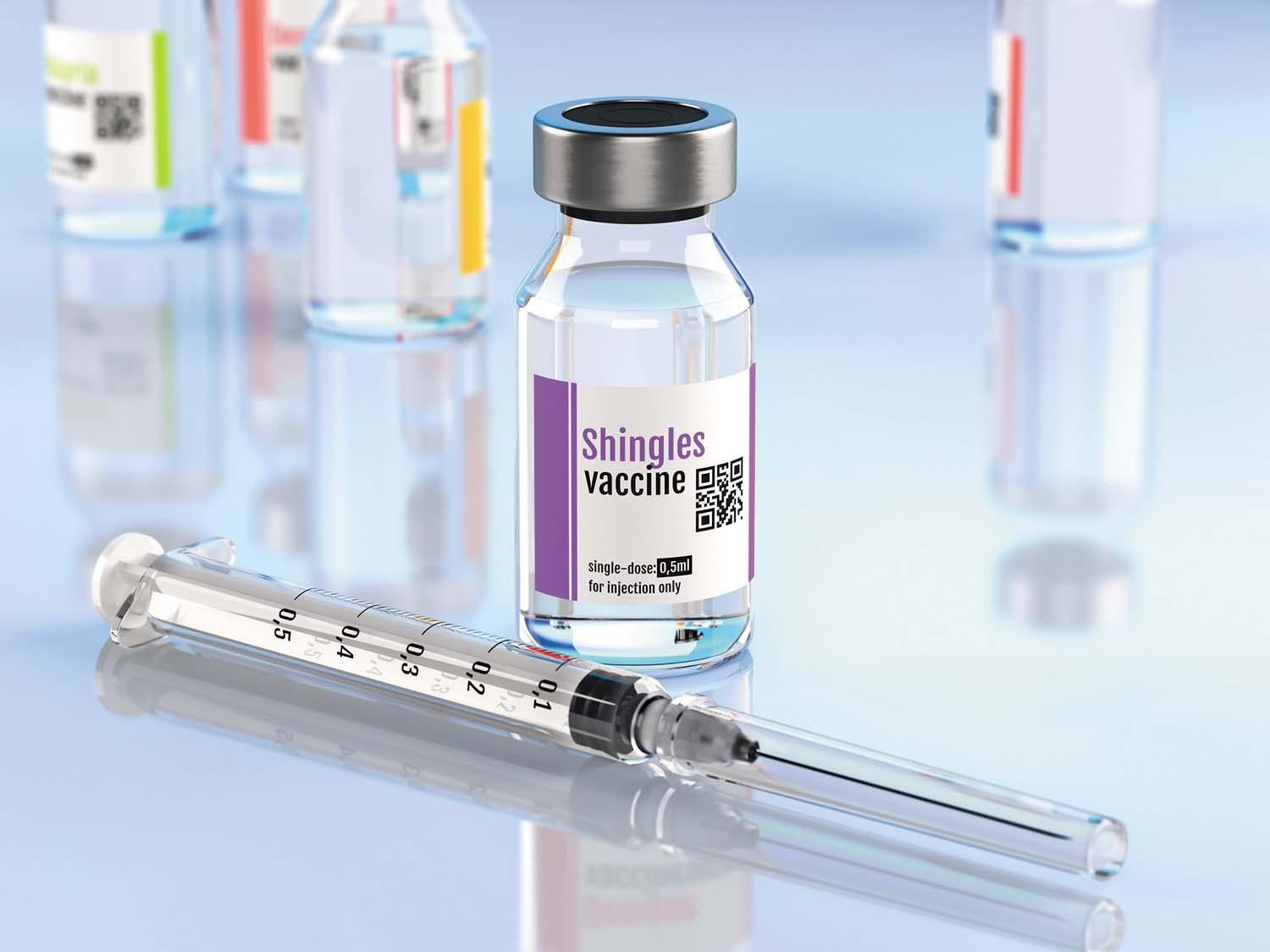
Can the shingles vaccine protect my heart?
A 2025 study found that people who had received a shingles vaccination had lower risks for stroke and various types of heart disease, including heart failure and heart attacks, compared with people who didn’t receive a shingles vaccine.
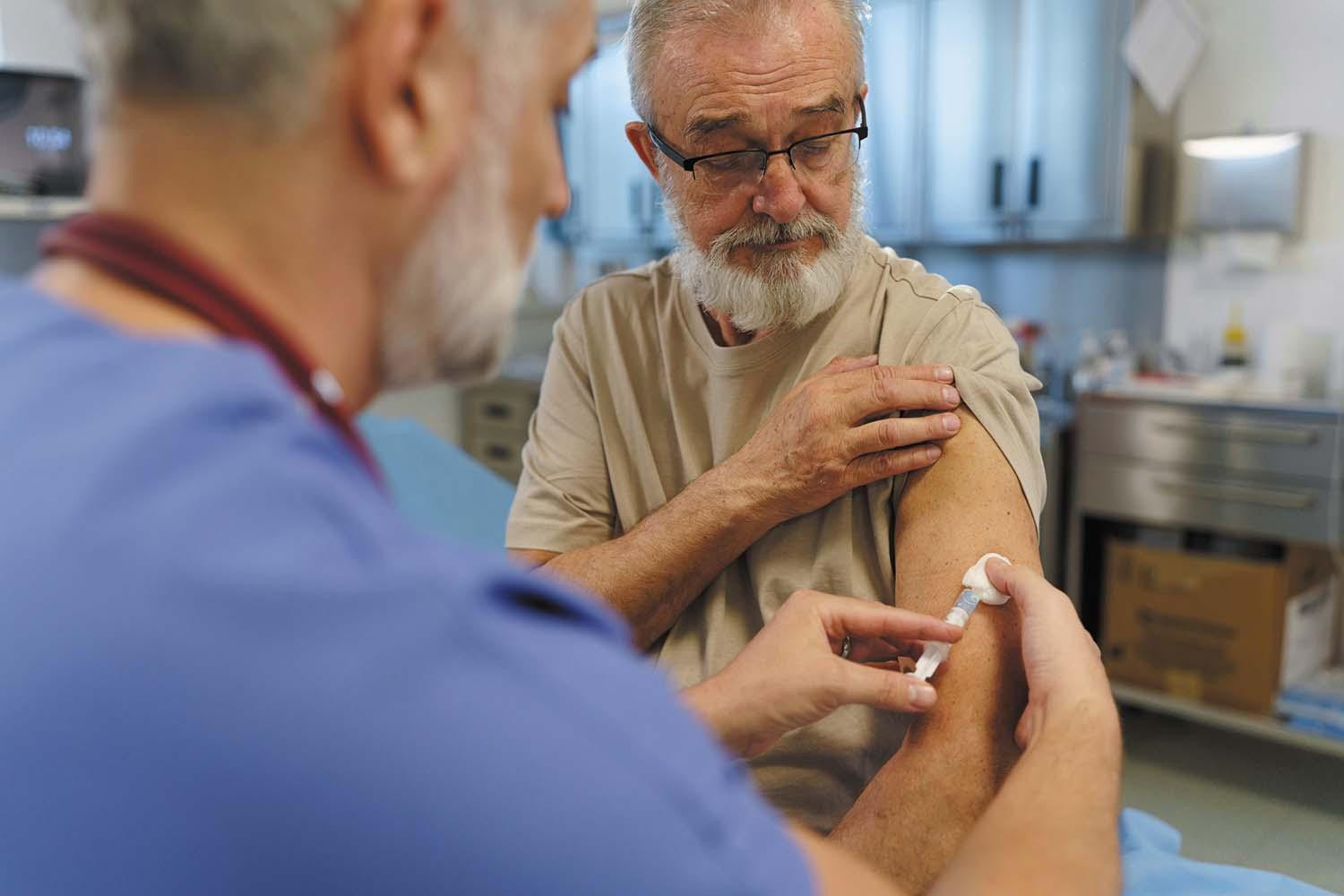
Infections, vaccines, and heart disease: What you need to know
Getting vaccinated against influenza (flu), COVID-19, and pneumonia is especially important for people who have cardiovascular disease. The coughing and congestion that commonly occur with respiratory infections can make breathing more difficult, and the potential drop in oxygen puts added stress on the heart. Serious infections sometimes trigger sepsis, which happens when the immune system is overwhelmed or goes into overdrive, causing symptoms such as a rapid heart rate, very fast breathing, and low blood pressure. These complications can lead to a heart attack.

When will we see a “one-and-done” flu shot?
Scientists are trying to create a vaccine that would protect people against all different strains of the influenza (flu) virus. These vaccines are being designed to target parts of the flu virus that don’t change regularly and so are consistent across all strains. The perfect vaccine would also prevent symptoms (since current vaccines help prevent hospitalization and death, but not symptoms), and its effects would last for a lifetime. While such a vaccine is still many years away from reality, improved flu vaccines are expected in the meantime.
Why do we need new flu shots every year?
With influenza virus, a new vaccine must be developed each year to adapt to the virus’s changing structure.

Why does my arm hurt after I get a shot?
Arm tenderness is the most common side effect after vaccination. The injection stretches muscle fibers and triggers an immune response, causing discomfort. People can counter pain by moving the injected arm afterward and applying a cool compress or ice pack.
Driving with arthritis pain: Stay comfortable — and safe — behind the wheel
Daily cup of coffee may prevent afib recurrence
Gene-editing therapy lowers harmful blood fats in early study
What is EMDR therapy, and who can it help?
GLP-1 drugs versus bariatric surgery for treating obesity
Two dumbbells, three exercises, and 10 minutes
Easing the emotional burden of IBS
Modify your push-ups to meet your fitness level
What is long QT syndrome?
Stroke survivors may benefit from very low LDL levels
Free Healthbeat Signup
Get the latest in health news delivered to your inbox!
Sign Up