CoQ10: Should you take this popular supplement if you're on a statin?

Microplastics: A hidden health threat?

Oat vs. dairy milk: Nutrition, benefits, and downsides

What is tempeh? Benefits, nutrition, and how to use it

Healing after food poisoning

Children of centenarians may stay healthier and live longer too, study finds

Light exposure at night may raise risk for heart disease

A lumbar belt may help ease low back pain

Whole grains may improve several heart risk factors at once

Signs of pneumonia: Sometimes vague and unexpected
Type 1 diabetes Archive
Articles
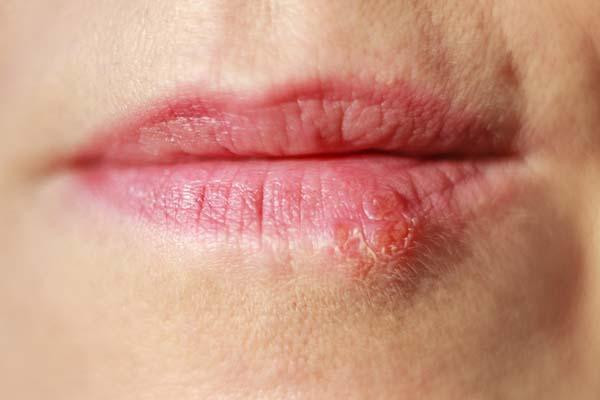
Is there a way to keep cold sores from coming back?
About half of Americans have herpes simplex virus type 1, which causes cold sores that can recur periodically. The virus can't be eliminated, but topical and oral treatments can help. In addition, people can avoid cold sore triggers such as stress or fatigue.
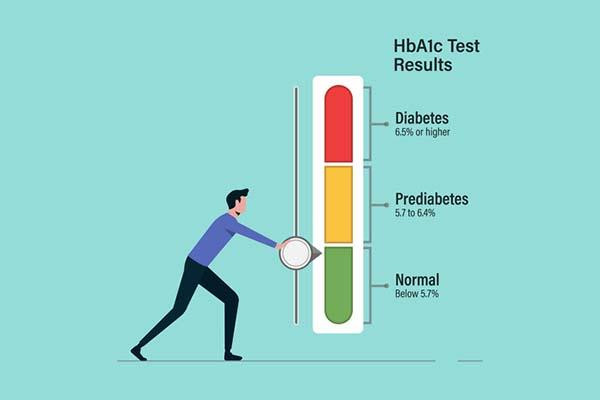
The best test to measure your diabetes risk
A hemoglobin HbA1c test is standard for anyone at risk for diabetes or anyone with diabetes. The HbA1c is a blood test that shows a person's average blood sugar levels over a three-month period.
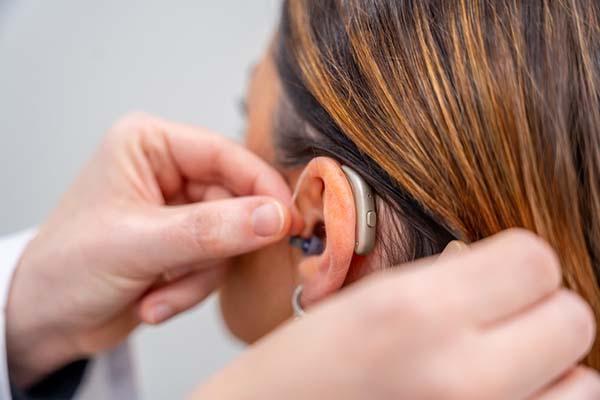
People with diabetes face higher risk of hearing loss
A 2025 analysis found hearing loss in 41% to 72% of people with diabetes, which was, on average, more than four times as often as in people without diabetes. People whose diabetes was less well controlled had greater hearing loss. Diabetes lasting 10 years or more doubled the risk.

Combining Mediterranean diet with other lifestyle changes offers extra protection against diabetes
In a 2025 study, people who followed a Mediterranean diet, reduced their calorie intake, exercised at least 150 minutes a week, and received weight-loss support lowered their diabetes risk and lost more weight than those who only followed a Mediterranean diet.

Exercise may lower risk of premature death among people with diabetes
A 2025 study suggested that people with diabetes who exercise regularly or in a "weekend warrior" pattern are significantly less likely to die earlier than peers who are inactive.
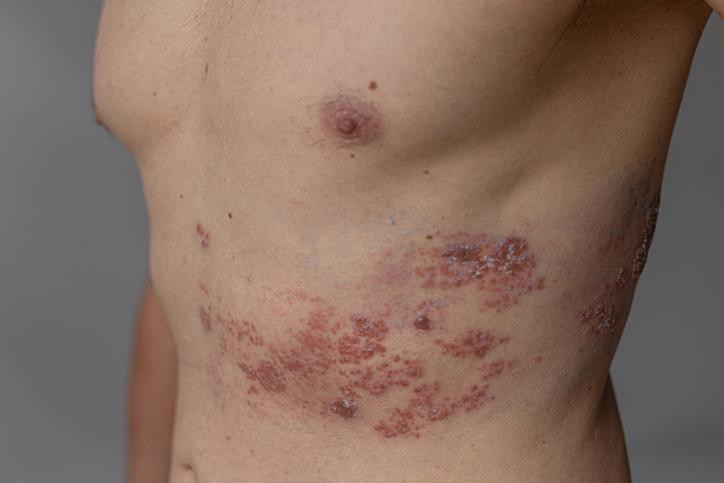
What to do if you have - or suspect you have - shingles
Shingles occurs when the dormant chickenpox virus reactivates, causing tingling, burning, and a painful, blistering rash. Shingles can affect anyone who has had chickenpox, with higher risk after age 50 and in people with weakened immunity. Diagnosis and treatment within three days of the rash appearing can shorten the illness and reduce severity. Most people recover completely from shingles, but there may be complications, such as post-herpetic neuralgia, which is pain that can be severe and long-lasting. Vaccination is the best way to prevent shingles and its complications.

Can our brain talk to our immune system?
A 2025 study of 250 people found that the brain can tell the immune system to prepare for impending infection even before a microbe enters the body. Scientists asked volunteers to don virtual reality headsets that showed various virtual people approaching them. Some of those approaching appeared to be healthy and others appeared to be sick. Brain scans and blood tests showed that participants' brains activated their immune systems when a virtual sick person simply came near them.

Respiratory syncytial virus (RSV) tied to heart problems
A 2025 study suggests that respiratory syncytial virus (RSV) can lead to heart-related complications, such as a heart attack, chronic heart failure, or an irregular heartbeat-even in people without a previous heart condition.

The case for watching your blood sugar
Being mindful of how various factors affect blood sugar levels can help people avoid fatigue, curb cravings, boost mood, and manage weight. Blood sugar spikes after people eat carbohydrate-heavy foods, soon dropping again. Eating balanced meals and snacks that include protein, fat, and carbohydrates can maintain more stable blood sugar levels. People can keep blood sugar levels consistent by timing meals, practicing portion control, prioritizing healthy foods, staying active, avoiding smoking, and keeping a food log.

Several risk factors in midlife may lead to dementia
Researchers have found that high blood pressure, diabetes, and smoking had the greatest association with the likelihood of a dementia diagnosis as people age. Managing these issues could offer protection.
CoQ10: Should you take this popular supplement if you're on a statin?
Microplastics: A hidden health threat?
Oat vs. dairy milk: Nutrition, benefits, and downsides
What is tempeh? Benefits, nutrition, and how to use it
Healing after food poisoning
Children of centenarians may stay healthier and live longer too, study finds
Light exposure at night may raise risk for heart disease
A lumbar belt may help ease low back pain
Whole grains may improve several heart risk factors at once
Signs of pneumonia: Sometimes vague and unexpected
Free Healthbeat Signup
Get the latest in health news delivered to your inbox!
Sign Up