

Even a little exercise linked with lower stroke risk in people with afib

Testosterone therapy without evidence of deficiency may boost heart risk

Weight-loss drug may lower risk of heart attacks and infections

What to eat on the DASH diet

Migraine: How it's diagnosed and what that means

Tricep workouts you can do at home

Mindfulness practices to reduce stress and improve focus

Antihistamines may not offer meaningful relief from eczema symptoms

Overweight and taking blood pressure medications: Study finds it's a trend that's working

FDA approves first mRNA-based flu vaccine
Surgical treatments and procedures Archive
Articles

The combo of Mediterranean diet and statins can protect against a fatal second heart attack
In the journals
People who have had a heart attack or a stroke are routinely prescribed a statin to reduce the risk of a repeat event. But by also following a Mediterranean-style diet, they can improve their chance of living longer, suggests a study in the Feb. 1, 2019, issue of the International Journal of Cardiology.
The study looked at 1,180 people, average age 68, who had at least one previous heart attack or stroke, and recorded their statin use and diet intake at the study's beginning. The researchers identified the people who faithfully followed a Mediterranean-style diet. A Mediterranean-style diet involves consuming medium to high amounts of whole fruits and vegetables, whole grains, legumes and nuts, olive oil, and poultry and fish, with limited amounts of red meat, alcohol, and dairy.
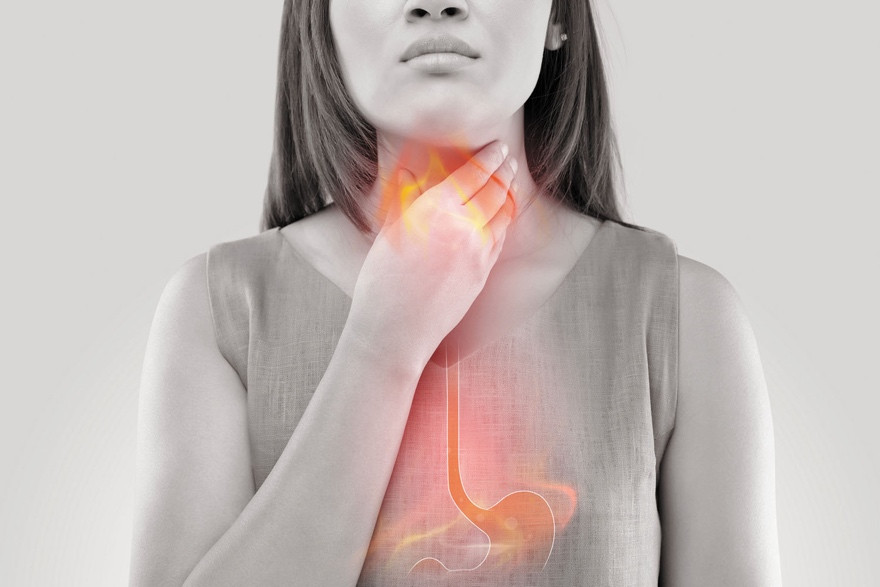
Feeling the burn? Antacids can provide some relief
But these remedies aren't the best choice if you have frequent heartburn.
You feel the familiar sensation in your chest: heartburn. Again, you find yourself reaching for the bottle of antacids in the medicine cabinet. It's something you've done a few times a week for the past six months. Is it okay to keep popping over-the-counter acid reducers, or is it time to see a doctor?
We asked two experts, Dr. Jennifer Nayor and Dr. Molly Linn Perencevich, both instructors in medicine at Harvard Medical School, for their thoughts on heartburn, including when it's okay to use over-the-counter antacids and when you should seek other treatments. Below are their responses.



How medications can affect your balance
Medications can be lifesaving by performing critical tasks such as keeping blood sugar at safe levels, hearts thumping rhythmically, and moods afloat. Yet side effects and interactions between drugs (both prescription and nonprescription drugs) may increase your fall risk in numerous ways. Prime examples include blurred vision, dizziness or lightheadedness stemming from low blood pressure, drowsiness, delirium, and impaired alertness or judgment. Some medications may affect the inner ear, spurring temporary or permanent balance disorders.
Often, problems stem from the sheer number of medicines you take, rather than a single drug. According to a national health survey, a third of 45- to 64-year-olds and two-thirds of people 65 and older take three or more prescription drugs over the course of a month. And 16% of 45- to 64-year-olds, as well as 39% of people 65 and over, take five or more drugs. Some gerontologists say they rarely see patients who take fewer than six or seven. Taking many medications at the same time can boost the severity and frequency of side effects among people of any age. Older adults are especially vulnerable, because people's bodies absorb and respond to drugs differently with age.


Medications we're watching
News briefs
Three newly approved medications are garnering national attention. The first is an oral form of a powerful opioid painkiller that's been available by injection since 1984. Dsuvia is the sublingual (under the tongue) version of sufentanil, and it was approved by the FDA in November 2018. Dsuvia is 1,000 times more potent than morphine. The FDA says it may be helpful for use on the battlefield or in hospitals. Critics worry the drug will wind up on the streets, furthering the country's opioid crisis. Another medication of note is the first prescription drug made from marijuana. The FDA approved cannabidiol (Epidiolex) in June 2018 for the treatment of seizures associated with rare forms of epilepsy. The medication is made from a component of marijuana that does not cause intoxication or euphoria. And finally, baloxavir marboxil (Xofluza), the first new antiviral in 20 years to help fight the flu, received FDA clearance in October 2018. The drug is a one-dose pill that may help shorten the duration of the flu if it's taken within 48 hours of the start of symptoms. One caution: the new antiviral has not yet been tested in older adults, so talk to your doctor if the drug is prescribed and you have concerns.
Image: SheilaFitzgerald/Thinkstock
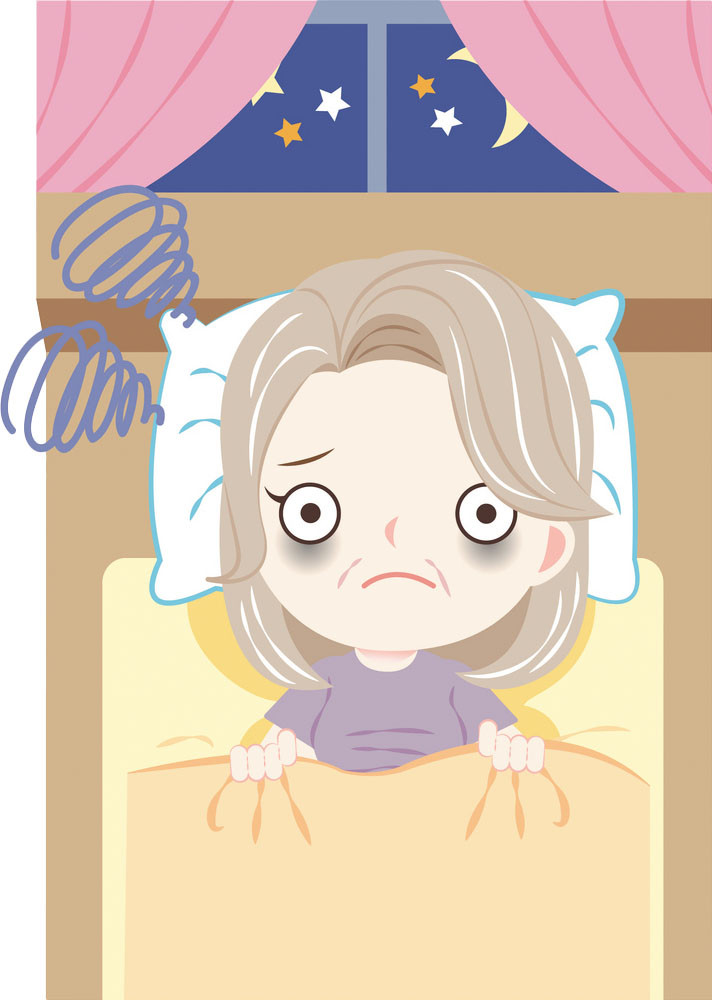
Study: Light pollution may trigger insomnia
Research we're watching
High exposure to bright, artificial outdoor lights during the night may result in sleepless nights for older adults. The more of this so-called light pollution that people were exposed to at night, the more they seemed to turn to medication to help them sleep, according to a study published in the Nov. 15, 2018, Journal of Clinical Sleep Medicine. People in brightly lit areas, as judged by satellite data, also seemed to take those drugs for longer and took higher doses than people who weren't exposed to nighttime light.
To come to their conclusions, the researchers looked at data on more than 50,000 adults ages 60 or older from the National Health Insurance Service–National Sample Cohort, a database of information collected on people who participated in health screenings between 2002 and 2013 in South Korea. Researchers compared the people's nighttime light exposure and their use of two sleep drugs, zolpidem (Ambien) and triazolam (Halcion).

FDA: Certain antibiotics may bring serious risks
Research we're watching
In December 2018, the FDA issued a warning about certain antibiotics known as fluoroquinolones, a drug class that includes ciprofloxacin (Cipro) and levofloxacin (Levaquin). The drugs are associated with rare ruptures or tears in the body's main artery, the aorta, which can cause serious, sometimes fatal bleeding. Cases were reported in people taking these antibiotics orally or by injection.
Because of this risk, the FDA is advising doctors to try to avoid prescribing these antibiotics to people who are at higher risk for problems with the aorta, unless there are no other antibiotics available to treat the infection. This includes people who have high blood pressure, certain genetic disorders (such as Marfan syndrome and Ehlers-Danlos syndrome), or a history of arterial blockages or aneurysms.

Even a little exercise linked with lower stroke risk in people with afib
Testosterone therapy without evidence of deficiency may boost heart risk
Weight-loss drug may lower risk of heart attacks and infections
What to eat on the DASH diet
Migraine: How it's diagnosed and what that means
Tricep workouts you can do at home
Mindfulness practices to reduce stress and improve focus
Antihistamines may not offer meaningful relief from eczema symptoms
Overweight and taking blood pressure medications: Study finds it's a trend that's working
FDA approves first mRNA-based flu vaccine
Free Healthbeat Signup
Get the latest in health news delivered to your inbox!
Sign Up
