
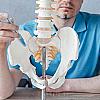
Sacroiliac joint pain: Causes, symptoms, and exercises that help

What causes knee pain: How doctors make a diagnosis

Study: At-home colorectal cancer screening may significantly cut colon cancer deaths

Where you carry excess weight matters in predicting heart disease risk

Tai chi walking: What is it and does it work?

Fatty liver disease: Should you be tested?

Weight-loss drug may lower risk of heart attacks and infections

Testosterone therapy without evidence of deficiency may boost heart risk

Even a little exercise linked with lower stroke risk in people with afib

FDA approves first mRNA-based flu vaccine
Strength training Archive
Articles


Two workout strategies that reduce cardiovascular disease risk
A 2024 study suggests doing a workout that's a combination of aerobics and strength training might reduce cardiovascular risk factors just as effectively as a workout that consists of aerobics only.

An easier way to do high-intensity interval training
A 2023 study found that people with chronic conditions who took part in high-intensity interval training in the water-called aquatic HIIT or AHIIT-experienced a similar boost in endurance (their maximum sustained physical exertion) as people who took part in land-based HIIT. An AHIIT workout includes a warm-up, such as treading water, followed by intervals of rest and intense activity (such as swimming laps or doing four or five pool exercises in a row, as quickly as possible), for a total of 30 minutes.


Stepping up activity if winter slowed you down
If you've been cocooning due to winter's cold, who can blame you? But lack of activity isn't good for body or mind during any season. Any day is a good day to start exercising, but if you aren't sure how to start, or if you have an obstacle to overcome, read on.

Regular exercise improves brain regions linked with memory
A 2023 study found that people who engaged in moderate or vigorous exercise an average of four days a week had more brain mass in regions associated with cognitive skills like memory and learning, compared with people who did not exercise.

Hitting the activity mark
Common activity guidelines recommend a minimum of 150 minutes of moderate-intensity physical activity and two muscle-strengthening workouts per week. However, these targets are meant for a broad population, and for many older adults, hitting just the 150 minutes per week poses a challenge. Experts suggest breaking down the 150 minutes into manageable segments, like doing 30 minutes of activity five days a week, and even dividing those 30 minutes into 10 minutes of exercise three times a day.

Fighting fatigue
Fatigue is a common symptom that can be caused by a whole host of factors, from medical conditions to stress and poor sleep. In order to ease ongoing fatigue, it's important to investigate and treat the underlying cause. Fatigue that doesn't respond to interventions or is severe or persistent should be brought to the attention of a doctor. It may be caused by a medical condition.

Chest workouts: Exercises for strength and function
Chest exercises can help you achieve a strong, sculpted physique. But building the chest muscles offers a myriad of benefits beyond looking toned.
Sacroiliac joint pain: Causes, symptoms, and exercises that help
What causes knee pain: How doctors make a diagnosis
Study: At-home colorectal cancer screening may significantly cut colon cancer deaths
Where you carry excess weight matters in predicting heart disease risk
Tai chi walking: What is it and does it work?
Fatty liver disease: Should you be tested?
Weight-loss drug may lower risk of heart attacks and infections
Testosterone therapy without evidence of deficiency may boost heart risk
Even a little exercise linked with lower stroke risk in people with afib
FDA approves first mRNA-based flu vaccine
Free Healthbeat Signup
Get the latest in health news delivered to your inbox!
Sign Up
