
Fatty liver disease: Should you be tested?

Weight-loss drug may lower risk of heart attacks and infections

Testosterone therapy without evidence of deficiency may boost heart risk

Even a little exercise linked with lower stroke risk in people with afib

Antihistamines may not offer meaningful relief from eczema symptoms

What to eat on the DASH diet

Tricep workouts you can do at home

FDA approves first mRNA-based flu vaccine

Migraine: How it's diagnosed and what that means

Mindfulness practices to reduce stress and improve focus
Social engagement and relationships Archive
Articles

Weighing the dangers of extra weight
Standard definitions consider a healthy body mass index (BMI), a calculation based on a person's height and weight, as between 18.5 and 24.9. Studies have found that a higher BMI increases risk for heart disease, diabetes, and some types of cancer. However, even if their BMI does not fall into the category of overweight, people who gain five or more pounds may be at risk for health problems, especially if the weight gain is belly fat. The best approach is a combination of aerobic exercise, strength training, and a healthy diet.

Soleful aging
Like the rest of the body, the feet are vulnerable to the effects of aging. Women may be more susceptible to certain foot conditions due to hormone fluctuations during pregnancy and a higher incidence of decreased bone density with aging. But everyone's soft tissues become less elastic, making foot problems more likely. Foot conditions that can develop or worsen with age include stress fractures, plantar fasciitis, bunions, flat feet, and osteoarthritis. Simple measures, such as resting the feet and wearing supportive shoes, can help ease pain.

Building blocks
Every bodily function relies on protein. People's protein needs are based on age, body size, activity levels, and overall health. Harvard experts advise people to consume between 1.2 and 2.0 grams of protein each day for every kilogram (2.2 pounds) of body weight. Women need more protein at certain times, including pregnancy and breastfeeding. People who are competitive athletes or trying to build muscle should also eat higher amounts of protein. Older adults should consume higher amounts to combat age-related muscle loss.

The wide-ranging effects of psoriasis
Psoriasis causes skin cells to multiply far faster than normal, leading to scaly, itchy, painful skin plaques. While treatments have vastly expanded, stigma surrounding psoriasis persists. Skin lesions can affect what people wear, what they do, and how they relate to others. To better cope, people with psoriasis can get family members involved in care and treatment decisions, see a dermatologist for more advanced therapies, revisit which treatments may work for them, and connect with others with the disease.

How can I protect my eyes during a solar eclipse?
Viewing a solar eclipse can damage eyesight if eyes aren't protected. It can lead to solar retinopathy, with symptoms such as blurry or distorted vision, blind spots, and headaches. People planning to view a solar eclipse can wear special glasses to protect their eyes.

Should you try the keto diet?
The ketogenic diet deprives the body of carbohydrates for fuel. Instead, the body uses ketone bodies, a type of fuel that the liver produces from stored fat. Keto diet followers must eat fat at each meal. In a daily 2,000-calorie diet, that might look like 165 grams of fat, 40 grams of carbs, and 75 grams of protein. Ditching carbs means limiting fruits and vegetables, which raises the risk for nutrient deficiencies. The keto diet also increases the risk for kidney, liver, mood, and thinking problems.

Can AI answer medical questions better than your doctor?
When a study asked doctors and artificial intelligence to respond to selected patient questions, a chatbot received higher ratings for empathy and quality. But a closer look at the research spotlights important limitations and findings.

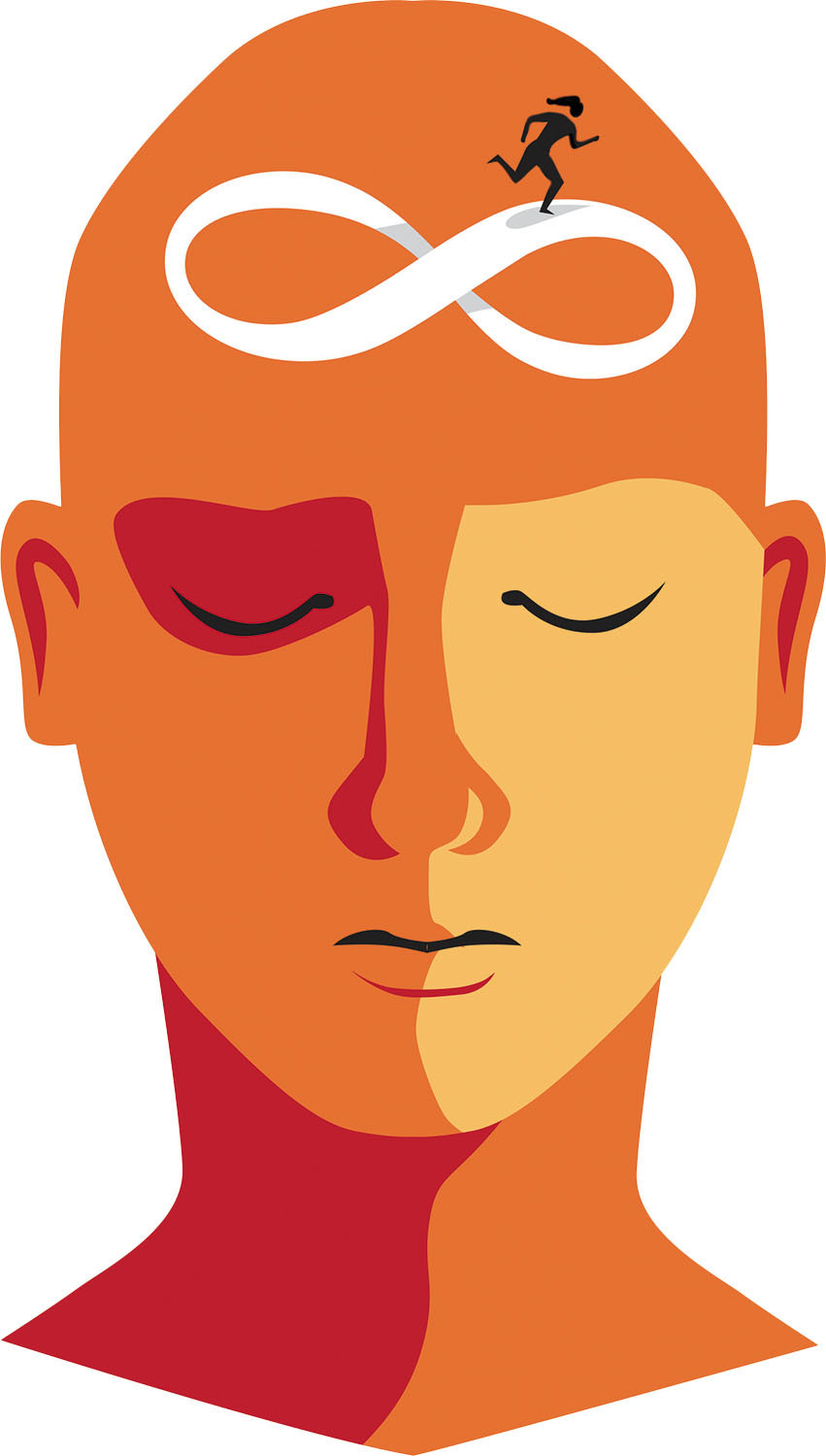
Managing intrusive thoughts
Intrusive thoughts are unwanted thoughts or mental images that make people feel uncomfortable. They're common, affecting some six million Americans and can be effectively managed using tools such as cognitive behavioral therapy. They can be associated with mental health disorders such as obsessive-compulsive disorder or post-traumatic stress disorder, but many people who experience them don't meet the criteria for a mental health disorder. The thoughts may be triggered by stress or anxiety.

Taking aim at belly fat
Though the visceral fat that lies behind the abdominal wall makes up only a small percentage of the body's fat, a growing body of research indicates that it is linked to a number of diseases and conditions.
Fatty liver disease: Should you be tested?
Weight-loss drug may lower risk of heart attacks and infections
Testosterone therapy without evidence of deficiency may boost heart risk
Even a little exercise linked with lower stroke risk in people with afib
Antihistamines may not offer meaningful relief from eczema symptoms
What to eat on the DASH diet
Tricep workouts you can do at home
FDA approves first mRNA-based flu vaccine
Migraine: How it's diagnosed and what that means
Mindfulness practices to reduce stress and improve focus
Free Healthbeat Signup
Get the latest in health news delivered to your inbox!
Sign Up
