

Fatty liver disease: Should you be tested?

Weight-loss drug may lower risk of heart attacks and infections

Testosterone therapy without evidence of deficiency may boost heart risk

Even a little exercise linked with lower stroke risk in people with afib

Antihistamines may not offer meaningful relief from eczema symptoms

What to eat on the DASH diet

Tricep workouts you can do at home

FDA approves first mRNA-based flu vaccine

Migraine: How it's diagnosed and what that means

Mindfulness practices to reduce stress and improve focus
Social engagement and relationships Archive
Articles




4 tricks to rev up your memory
Stay ahead of age-related changes in thinking skills by making the most of your brain's memory process.
We all have moments of forgetfulness about where we put the keys, why we walked into a room, or what an object is called. Most likely, this reflects age-related changes in thinking skills. "In terms of brain function, everyone has a decline over time in all areas, with the exception of vocabulary," says Dr. Joel Salinas, a neurologist specializing in behavioral neurology and neuropsychiatry at Harvard-affiliated Massachusetts General Hospital.
How memory works
Memory involves three processes: encoding, recording, and retrieval. The brain receives and encodes (takes in) new information; the brain then records (stores) the information; finally, the brain retrieves information when you need it.

Exercise and better thinking skills: More evidence for a possible link
News briefs
Image: © Horsche/Thinkstock
A review of research published online April 24, 2017, by the British Journal of Sports Medicine suggests that physical exercise may help improve thinking skills in adults ages 50 or older, regardless of their mental performance when they started exercising. Researchers combed through 39 randomized controlled trials that looked at this age group. Most of the studies involved people who did aerobic exercise (the kind that gets your heart and lungs pumping, like brisk walking), resistance training (the kind that works your muscles and bones, like weight lifting), or a combination of aerobics and resistance training. A handful of the studies involved people who did yoga or tai chi. In all of the studies, participants took tests that measured various aspects of thinking skills — such as attention, working memory, and the ability to plan, organize, and manage time. All exercise types but yoga appeared to have benefits for the brain. The authors say the exercise regimen with the biggest brain boost was a combination of both aerobic and resistance-type training, of at least moderate intensity, for at least 45 minutes per session on as many days of the week as possible. The takeaway? Start exercising, and incorporate resistance training into your weekly routine.

Tennis, anyone?
When it comes to heart health, there's a lot to love about racket sports.
If you haven't lobbed a tennis ball over a net since high school, you might want to pick up a racket again. A recent study suggests that people who play racket sports regularly may slash their odds of dying from a heart attack or stroke.
Tennis, which ranks among the world's most popular sports, provides an excellent full-body workout, plus a few other less obvious benefits. And lower-impact racket sports, such as badminton or table tennis, may be good choices for people who have certain health conditions or who are older (see "Ping-Pong, perhaps?").

Can drinking tea prevent dementia?
In the journals
Image: © jimfeng/Thinkstock
A study in the December 2016 Journal of Nutrition, Health & Aging showed that drinking tea frequently is associated with a lower risk of dementia, especially for people who are genetically predisposed to the disease.
Researchers followed 957 older adults, average age 65, who were part of the Singapore Longitudinal Aging Study. Of these, 69% drank tea on a frequent basis. After a five-year period, the researchers found that the tea drinkers had a 50% lower risk of dementia. This is consistent with earlier findings that showed tea consumers scored higher on various cognitive tests.
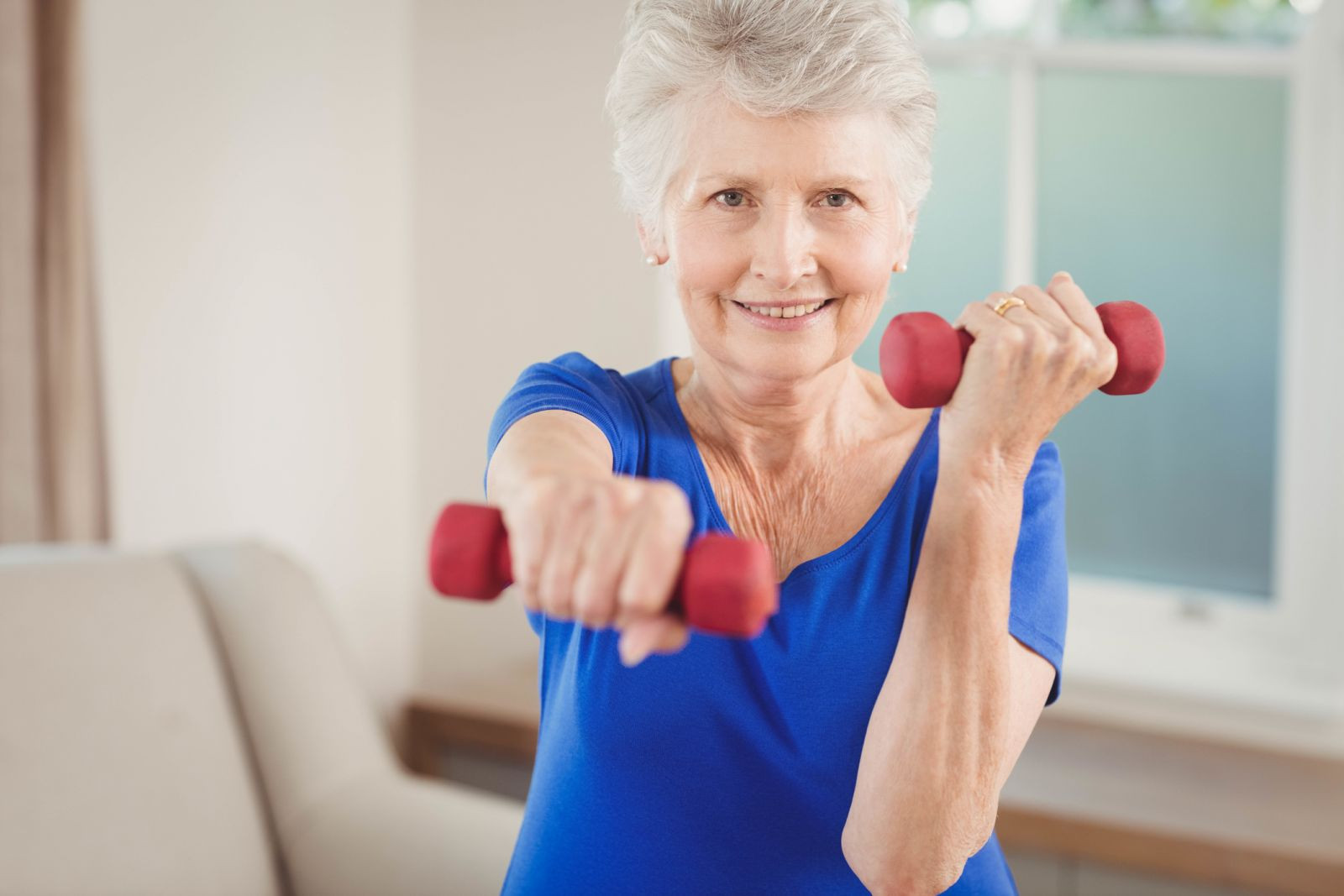
Getting a start on growing stronger
Building strength and power is key to healthy aging, both physically and mentally. It may be easier than you think.
We probably don't need to remind you that your body changes with age. Age-related muscle loss begins at around age 35 and progresses slowly — at about 1% per year. But after about age 60, muscle loses mass more rapidly, so that adults who don't do regular strength training may lose 4 to 6 pounds of muscle per decade. Moreover, the lost muscle is usually replaced by fat.
Studies show that strength training not only can slow muscle loss, it can also help prevent or control conditions as varied as heart disease, diabetes, arthritis, and osteoporosis. And recent research indicates that it can also improve cognitive function, especially when added to aerobic exercise. As we age, strength training helps to preserve mobility and reduce the risk of falling. "What has been shown is that if you're looking at mobility problems, the most beneficial exercises that are those that focus on progressive training for strength and power," says Dr. Jonathan Bean, an associate professor of physical medicine and rehabilitation at Harvard Medical School.
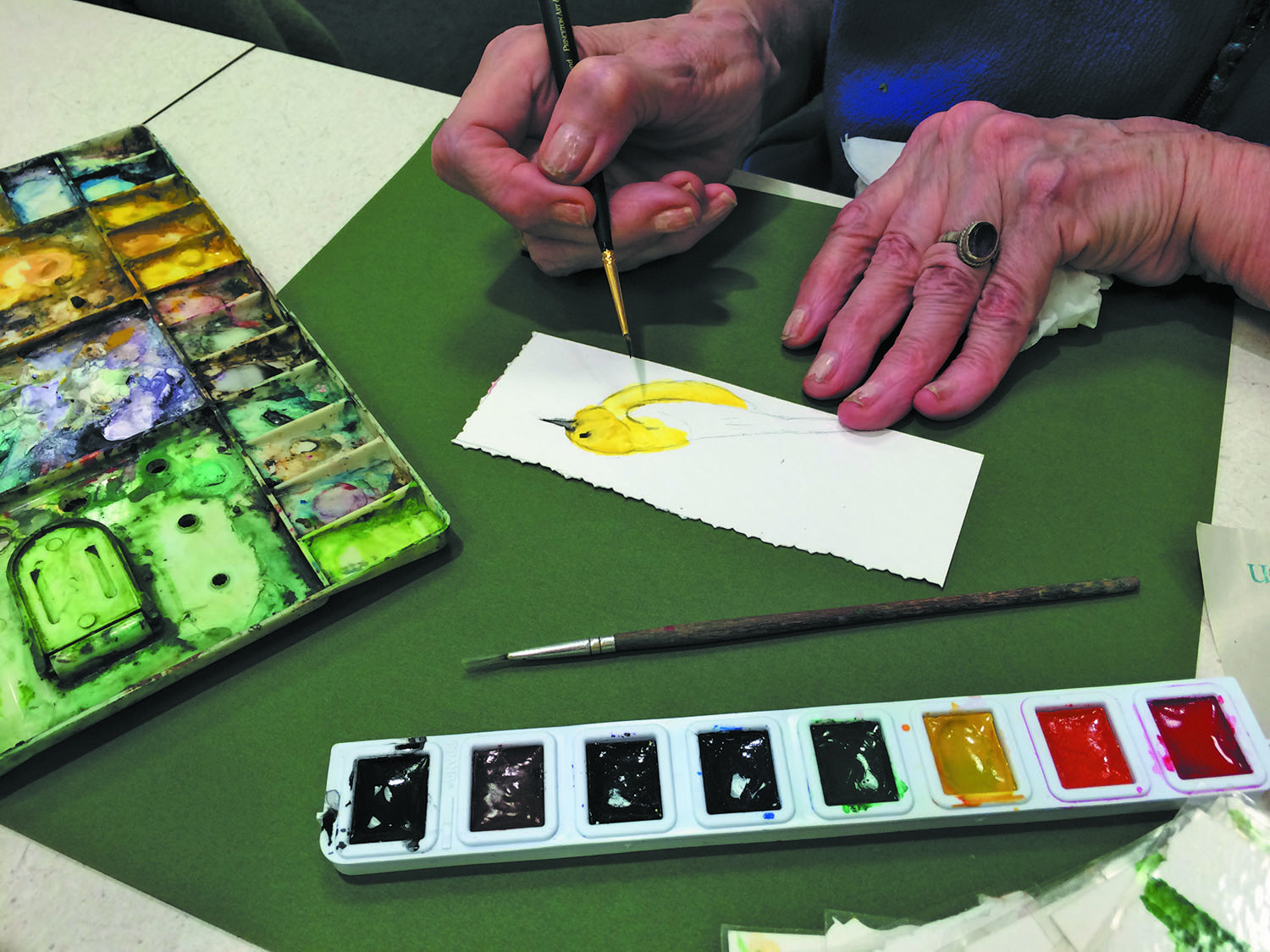
The healing power of art
Creative activities can relieve stress, aid communication, and help arrest cognitive decline.
Image: © Katherine A. Gallagher Integrative Therapies Art Therapy Program at the Mass. General Cancer Center
The title of a recent documentary film, I Remember Better When I Paint, sums up the findings of a growing body of research into the cognitive effects of making art. The movie demonstrates how drawing and painting stimulated memories in people with dementia and enabled them to reconnect with the world. People with dementia aren't the only beneficiaries. Studies have shown that expressing themselves through art can help people with depression, anxiety, or cancer, too. And doing so has been linked to improved memory, reasoning, and resilience in healthy older people.

Fatty liver disease: Should you be tested?
Weight-loss drug may lower risk of heart attacks and infections
Testosterone therapy without evidence of deficiency may boost heart risk
Even a little exercise linked with lower stroke risk in people with afib
Antihistamines may not offer meaningful relief from eczema symptoms
What to eat on the DASH diet
Tricep workouts you can do at home
FDA approves first mRNA-based flu vaccine
Migraine: How it's diagnosed and what that means
Mindfulness practices to reduce stress and improve focus
Free Healthbeat Signup
Get the latest in health news delivered to your inbox!
Sign Up
