

Fatty liver disease: Should you be tested?

Weight-loss drug may lower risk of heart attacks and infections

Testosterone therapy without evidence of deficiency may boost heart risk

Even a little exercise linked with lower stroke risk in people with afib

Antihistamines may not offer meaningful relief from eczema symptoms

What to eat on the DASH diet

Tricep workouts you can do at home

FDA approves first mRNA-based flu vaccine

Migraine: How it's diagnosed and what that means

Mindfulness practices to reduce stress and improve focus
Social engagement and relationships Archive
Articles
Yes, I’ve tried that too: When well-intentioned advice hurts
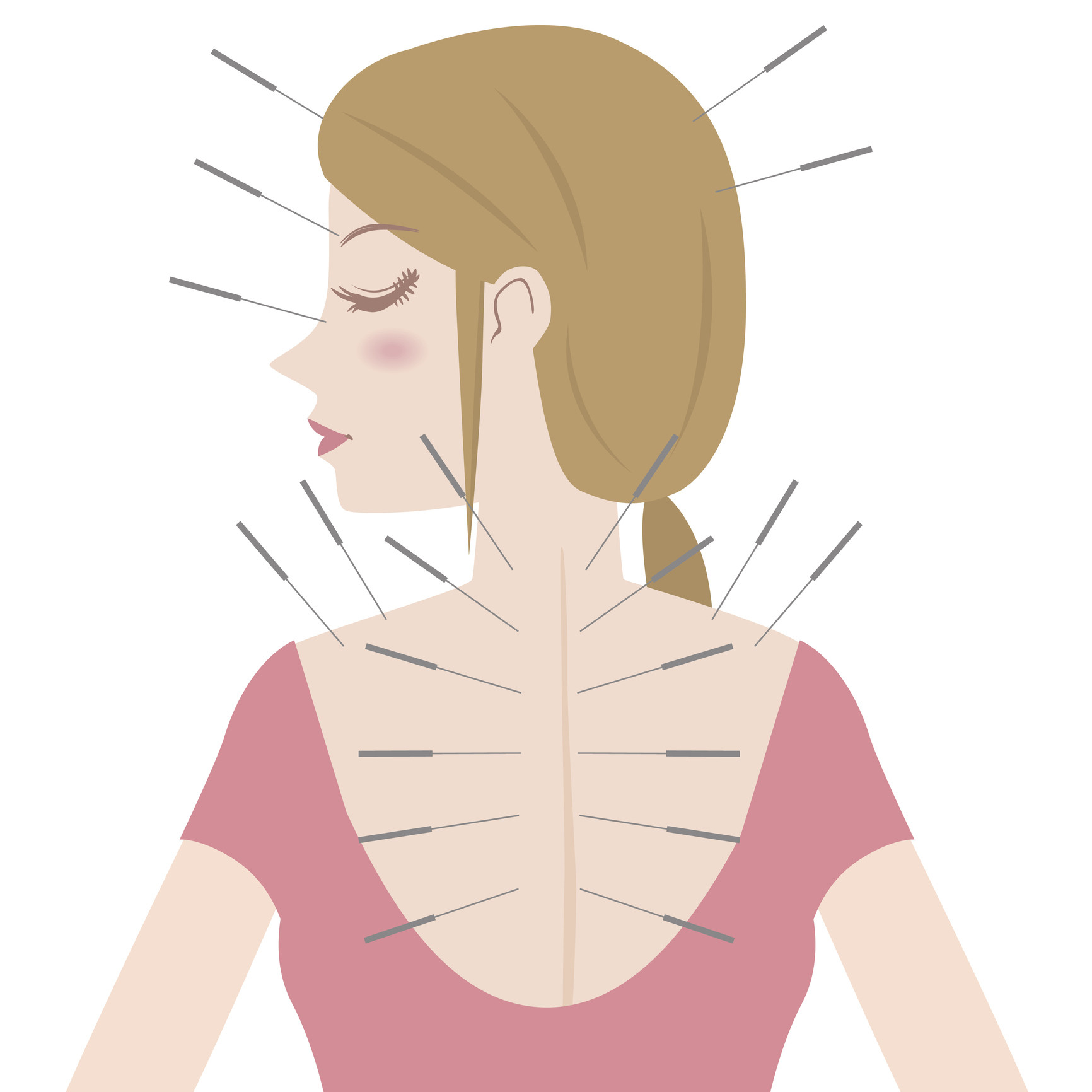
If you know someone dealing with chronic pain it’s tempting to offer advice, but whatever the suggestion might be, that person has almost certainly tried it already. Simply taking time to listen and empathize may be more helpful.
5 ways to protect your eyes from AMD
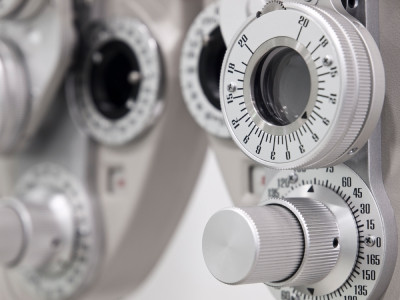
Age-related macular degeneration (AMD) is a condition in which the macula, the part of the eye that's responsible for your sharpest and most detailed vision, begins to thin and break down, causing vision loss. If left untreated, it can lead to blindness.
There is no surefire way to prevent AMD. However, there are things you can do to delay its onset or reduce its severity. Here are 5 of our favorites:




Safe injection sites and reducing the stigma of addiction
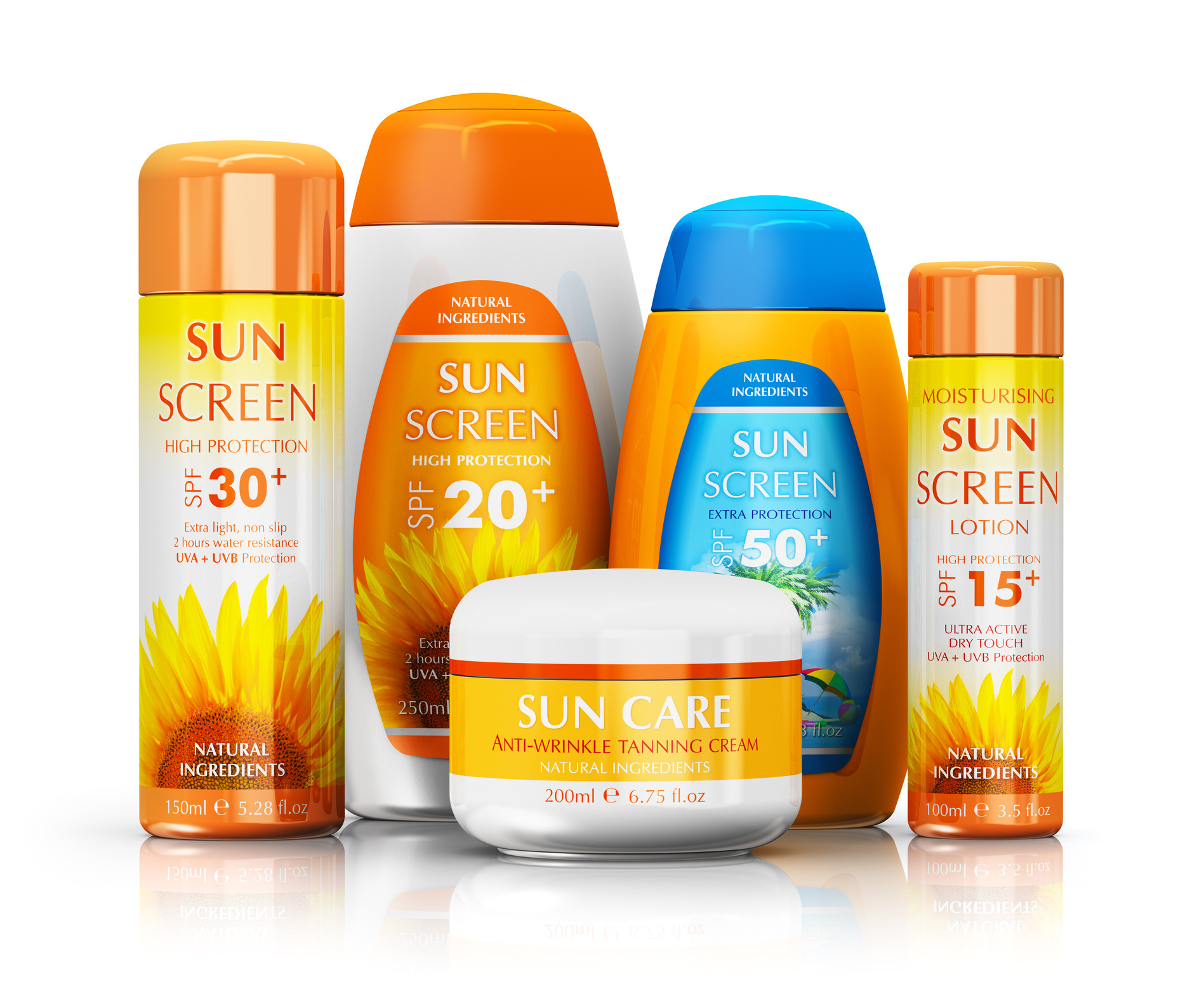
The scope of the opioid crisis in the US has led some communities to revise their view of substance use disorders. One idea is creating supervised injection facilities that would provide a safe environment and make treatment resources available.

A quick-start guide to the latest food terminology
New phrases showing up on packaging don't always tell you if the food is better for your health.
Image: © Jupiterimages/Thinkstock
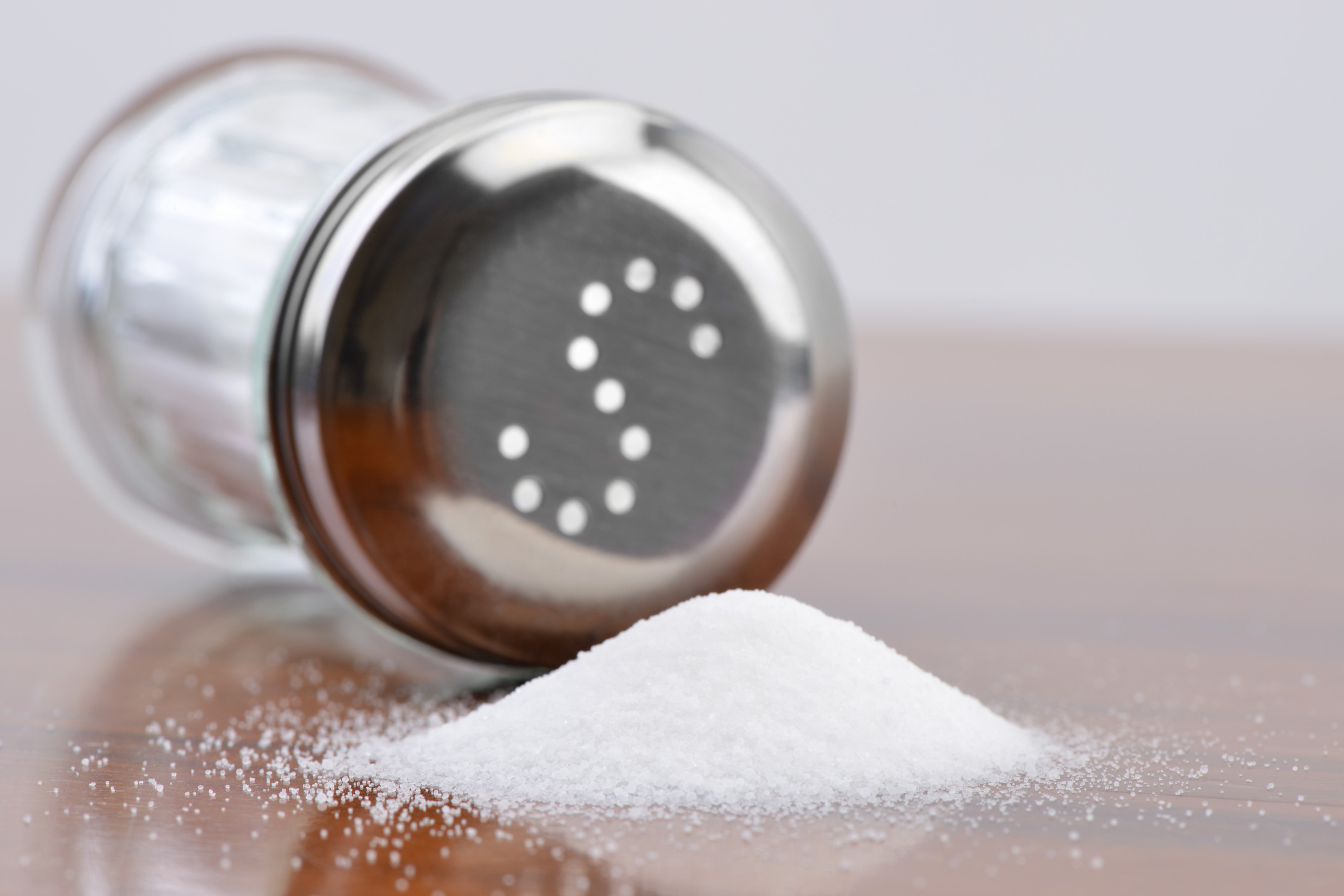
You're not alone if you don't know the meaning of certain terms on food labels lately. A new language has developed to describe healthy ways to produce meat, vegetables, fruit, and other products in the grocery store. "It's not just the terms that are confusing, but also various associated health claims," says Vasanti Malik, a nutrition researcher at the Harvard T.H. Chan School of Public Health.
Organic vs. natural
Some food is labeled "organic" or "natural." What's the difference? The FDA doesn't have a definition for "natural," although it doesn't object to the term if a food does not contain added color, artificial flavors, or synthetic substances.
Fatty liver disease: Should you be tested?
Weight-loss drug may lower risk of heart attacks and infections
Testosterone therapy without evidence of deficiency may boost heart risk
Even a little exercise linked with lower stroke risk in people with afib
Antihistamines may not offer meaningful relief from eczema symptoms
What to eat on the DASH diet
Tricep workouts you can do at home
FDA approves first mRNA-based flu vaccine
Migraine: How it's diagnosed and what that means
Mindfulness practices to reduce stress and improve focus
Free Healthbeat Signup
Get the latest in health news delivered to your inbox!
Sign Up
