
Sacroiliac joint pain: Causes, symptoms, and exercises that help

What causes knee pain: How doctors make a diagnosis

Study: At-home colorectal cancer screening may significantly cut colon cancer deaths

Where you carry excess weight matters in predicting heart disease risk

Tai chi walking: What is it and does it work?

Fatty liver disease: Should you be tested?

Weight-loss drug may lower risk of heart attacks and infections

Testosterone therapy without evidence of deficiency may boost heart risk

Even a little exercise linked with lower stroke risk in people with afib

FDA approves first mRNA-based flu vaccine
Social engagement and relationships Archive
Articles

Grandparents and parents: Beware of pill dangers
Research we're watching
If you have children in your house — even for a few hours at a time — be certain to store your medications safely. A study in the January 27 issue of Pediatrics found that more than half of the time, accidental poisonings with prescription medication occurred because adults had removed the medicine from a child-resistant container before the child discovered it.
CDC researchers examined calls made between February and September 2017 to five poison control centers to determine how these accidents most often occur. Most of the time, the pills that children encountered belonged to a parent, but in more than half of cases involving particularly harmful medication, it belonged to a grandparent. These medications included drugs to treat diabetes or cardiac conditions. Child-resistant packaging can help protect children, but it's often inconvenient for adults. Study authors found that most often when poisonings occurred, it was because adults put the pills into pill organizers that were not child-safe, stored them in small plastic bags, or left them out on a surface that a child was able to reach. In other cases, a child found a pill that was dropped on the floor.

Staying healthy when you’re raising young grandchildren
This caregiver role has mental and physical health challenges.
You're not alone if you've suddenly found yourself raising your grandchildren. In the United States, three million older adults are primary caregivers to kids of all ages. Like any caregiver role, raising kids (especially young children) comes with many challenges, not the least of which is maintaining your health.
Physical challenges
The care of little kids — feeding, bathing, dressing, soothing, entertaining, lifting, carrying, and chasing after them — requires youthful energy and strength. As a grandparent you may be at a disadvantage, and not just because of age. "You may be slower from chronic conditions — like arthritis, heart problems, or diabetes — and from taking the medications needed to treat them," says Dr. Suzanne Salamon, associate chief of gerontology at Harvard-affiliated Beth Israel Deaconess Medical Center.

The latest thinking on colonoscopy prep
Approaches to using laxative solutions for colon cleansing have changed since your last colonoscopy.
Preparing for a colonoscopy isn't fun. Indeed, many people dread the colonoscopy prep more than the colonoscopy itself. Traditionally, you have had to change your diet for a few days, drink quarts of laxative solutions — and then spend hours in the bathroom enduring diarrhea and discomfort as your colon empties. In the past few years, though, the approach to taking laxative solutions has evolved to become a little less unpleasant.
Lower-volume preps
Instead of downing 4 liters of medicated liquid, which was once the standard, most people now need to drink about 2 liters (a bit more than 64 ounces). The reduced volume of laxative fluid is often combined with laxative pills, to help you clear your bowels.

The dating game
How older men can approach the dating life again — and why they should.
One downside to aging is the higher likelihood that at some point you will not have a partner. No matter what the reason for your singlehood, a healthy remedy is to begin dating again.
"Pursuing a more robust social and romantic life is good medicine for your mental and physical health," says Dr. Sharon Bober, founding director of the Sexual Health Program at Harvard-affiliated Dana-Farber Cancer Institute.

Mediterranean diet linked to lower inflammation, healthy aging
A study published Feb. 17, 2020, in the journal Gut suggests that lower rates of chronic disease among people who eat a Mediterranean diet might be due to changes in the gut microbiome.

Testing for dementia
If you or someone else suspects early signs of memory loss, here's how you can find out if there's a problem.
There's no cure for dementia, and you cannot substantially reverse its effects, but there are ways to possibly slow its progression. But first, you need to know if you — or a loved one — may have a memory disorder. "Unfortunately, there is not one single test that confirms dementia while you are alive," says Dr. Julie Brody Magid, clinical director of the Harvard-affiliated McLean Hospital Memory Disorders Assessment Clinic. "The testing process is multilayered and takes many things into consideration. Going through this evaluation may help identify memory problems before they get worse."
Know the symptoms
Symptoms of dementia include memory loss, problem-solving difficulties, and language issues. Behavior and emotions also can be affected. Symptoms are often subtle early on, and then get progressively worse. They can increasingly interfere with daily life tasks, like remembering to attend appointments, take medication, or pay bills. People also may have trouble preparing meals or driving safely.

Give yourself a lift
A simple exercise called the deadlift helps make everyday actions easier and safer.
Research shows that weight lifting is good medicine for healthy older adults. While there are many weight-lifting exercises, one move you should always include with your workouts is the deadlift.
The deadlift is a simple-looking movement. From a squatting position, you grab a weighted barbell and then stand while you lift the bar with straight arms. The barbell rises to about mid-thigh level. You hold for a second and return to the starting position.
Two common prescription drugs now available over the counter
News briefs
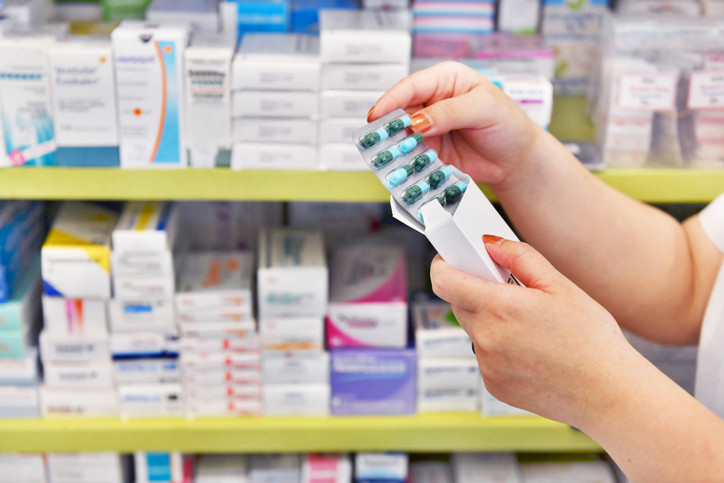
On Feb. 14, 2020, the FDA announced that two popular symptom-relief drugs can now be sold without a doctor's prescription. One is diclofenac sodium topical gel, 1% (Voltaren Arthritis Pain), which is used to temporarily relieve arthritis. The other is olopatadine (Pataday), which comes in eye drop form (in two strengths, for once-a-day or twice-a-day dosing) to relive itchy or red eyes from pollen, ragweed, grass, or animal hair or dander. Even though these medications are now available over the counter, they still have risks and benefits, so talk to your doctor before using any new treatment.
Image: MJ_Prototype/Getty Images

Take monitors to heart
Here's what a heart rate monitor might do for you.
All kinds of high-tech exercise gadgets are available nowadays, from activity trackers to Apple Watches. However, one of the oldest technologies is still quite valuable: the simple heart rate monitor.
"For some people, a heart rate monitor is the ideal fitness tool to help them stay in tune with their body, so they can exercise better, smarter, and safer," says Dr. Meagan Wasfy, a cardiologist with Harvard-affiliated Massachusetts General Hospital.

Diet quality counts more than type of diet
In the journals
Simply following a low-carb or low-fat diet is less important than including high-quality healthy foods within those diets — and the latter may help you live longer, says a recent study published online Jan. 21, 2020, by JAMA Internal Medicine. Researchers tracked deaths from all causes among 37,233 adults over a 15-year period. The study included data on the diets of people participating in the U.S. National Health and Nutrition Examination Survey. The diets were scored based on their specific types of fat, protein, and carbohydrates, which determined if people followed a primarily low-carb diet or low-fat diet and the quality of foods they ate.
The researchers found that there was no significant difference in death rates between the people in the low-fat or low-carb group whose diets emphasized high-quality foods (such as whole grains, non-starchy vegetables, whole fruits, and nuts). They also found risk of death to be the same for low-fat and low-carb eaters that included more unhealthy foods (such as red and processed meat, butter, refined grains, and added sugar). What did differ significantly was the higher likelihood of premature death in people with low food quality scores whether their diet was low fat or low carb.
Sacroiliac joint pain: Causes, symptoms, and exercises that help
What causes knee pain: How doctors make a diagnosis
Study: At-home colorectal cancer screening may significantly cut colon cancer deaths
Where you carry excess weight matters in predicting heart disease risk
Tai chi walking: What is it and does it work?
Fatty liver disease: Should you be tested?
Weight-loss drug may lower risk of heart attacks and infections
Testosterone therapy without evidence of deficiency may boost heart risk
Even a little exercise linked with lower stroke risk in people with afib
FDA approves first mRNA-based flu vaccine
Free Healthbeat Signup
Get the latest in health news delivered to your inbox!
Sign Up
